THE KEEPER'S JOURNAL
Goalkeeper history, glove technology, training, and the science of grip.
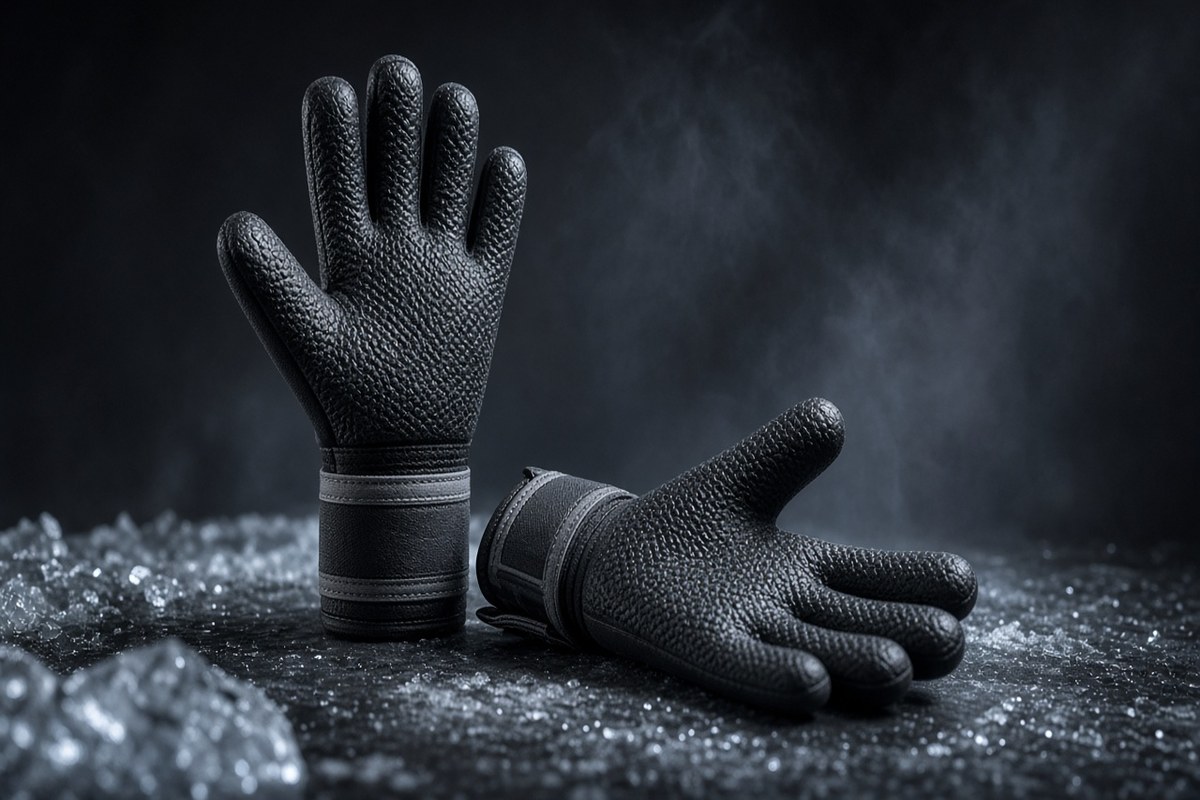
How Temperature Affects Glove Performance
Moisture activates grip by sealing the micro-pores so the foam can suck onto the ball. Cold firms those pores so they cannot seal. Heat then sweat salt keeps drawing natural moisture out of the latex. Spit is a short-term solution with long-term detrimental effects.
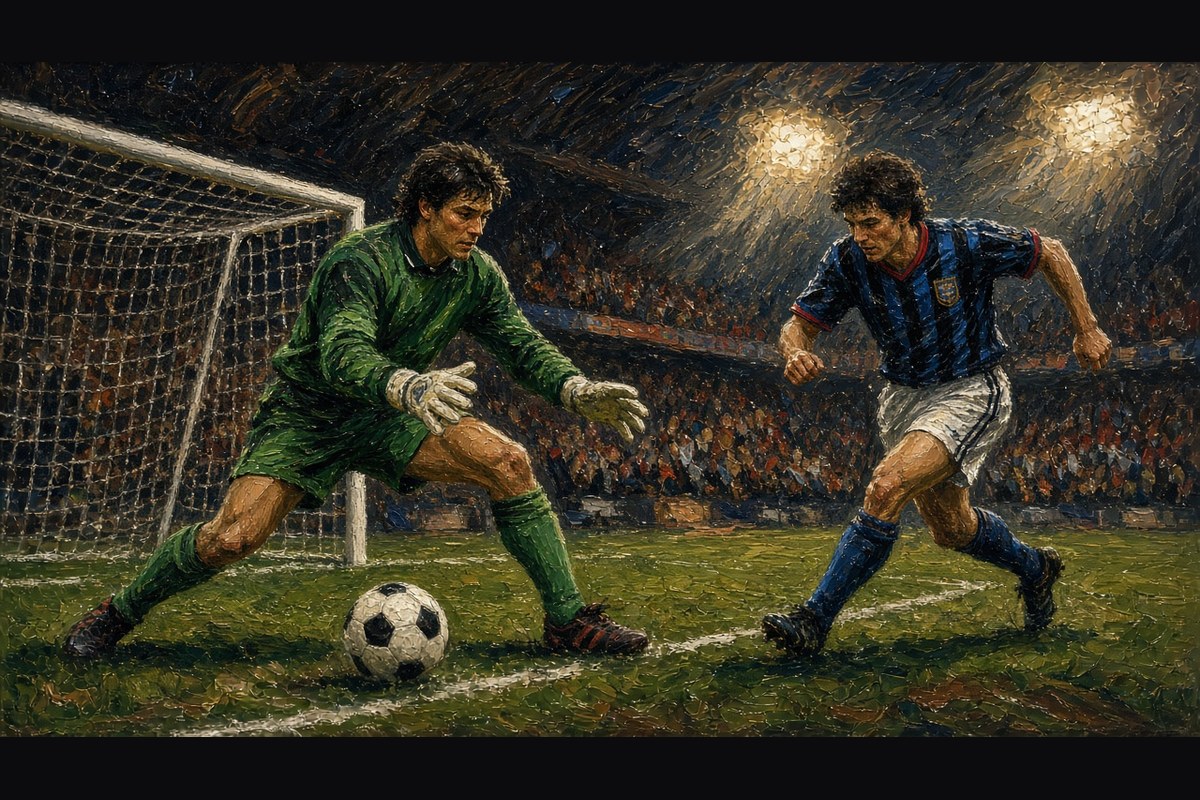
How the Backpass Rule Changed Goalkeeping Forever
When keepers lost the right to pick up a teammate's pass, the position had to learn feet, timing, and a new kind of bravery.
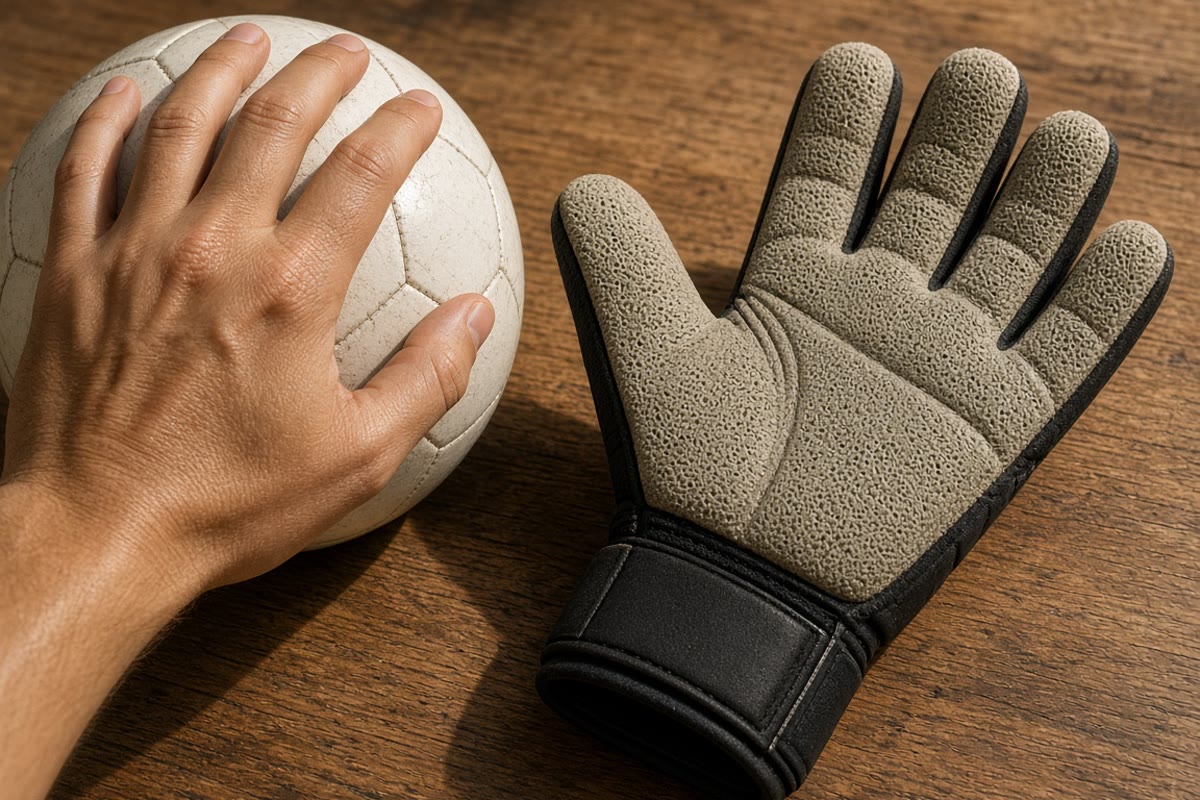
How the Hand Inside the Glove Changes Grip
The catch uses two surfaces: latex and the hand inside it. Here is how wet, dry, or split skin changes the catch — and why KEEPER BALM is still a foam job.
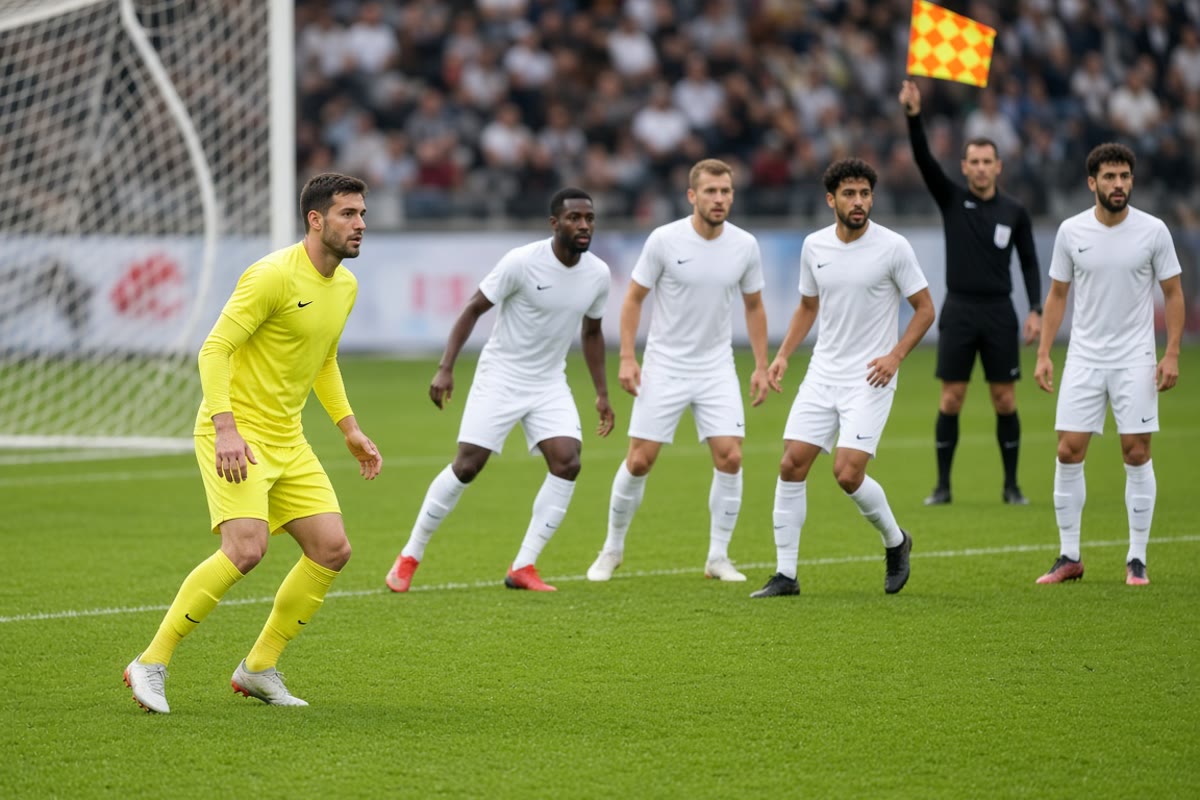
How the Offside Rule Changed What Keepers Need to Do
IFAB cut the offside requirement from three opponents to two in 1925, then made level onside in 1990. Each rewrite moved the trap — and the keeper's starting place — further up the pitch.
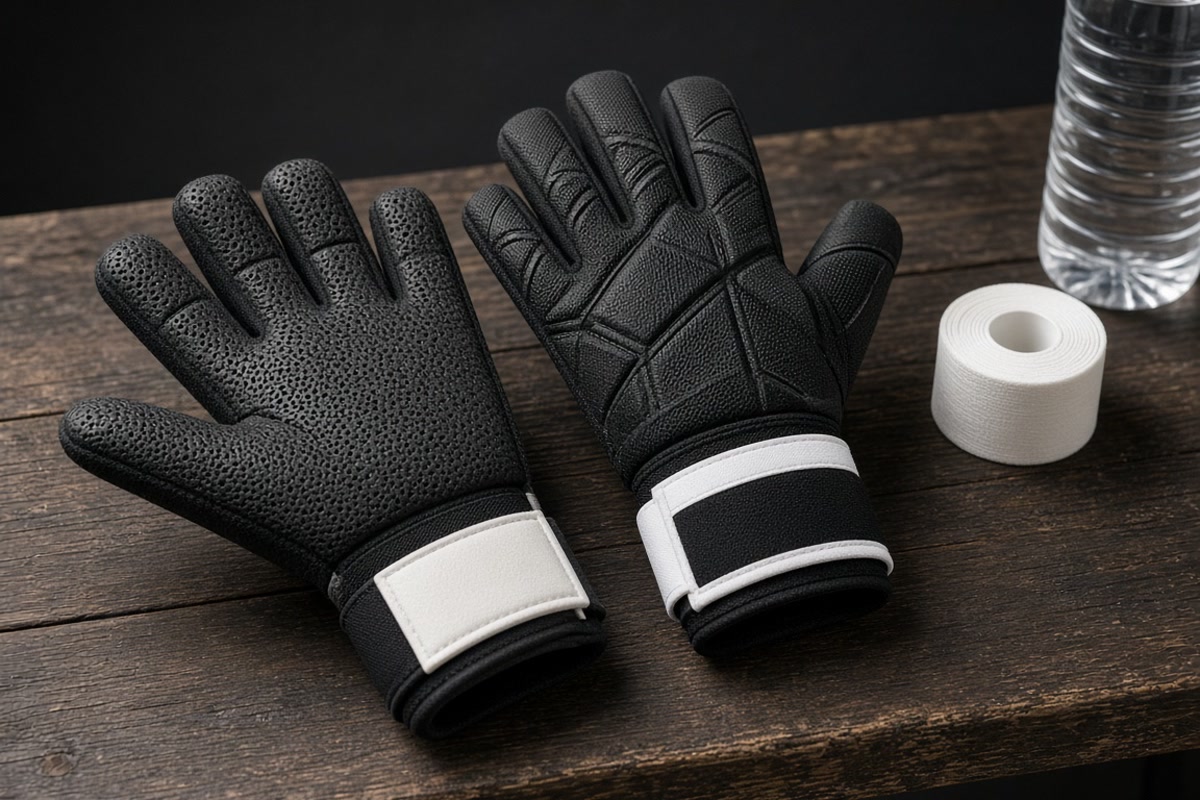
How to Break In New Goalkeeper Gloves
New gloves need a rinse, a full air-dry, and KEEPER BALM on the clean dry palms. They do not need a dunk, an oven, or sandpaper.
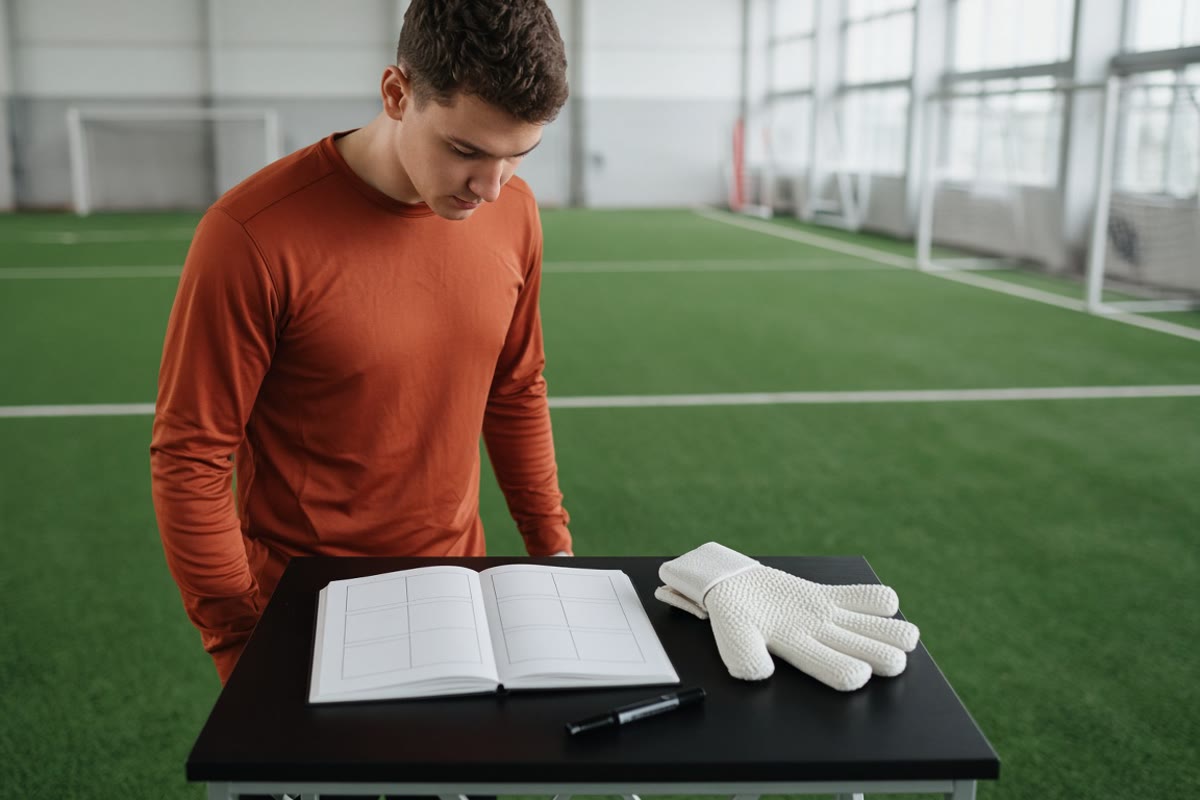
How to Build a Personal Training Program as a Goalkeeper
A week you can repeat beats a copied spreadsheet. Here is a practical framework for planning keeper work — what blocks to include, how to balance them — not a canned programme.
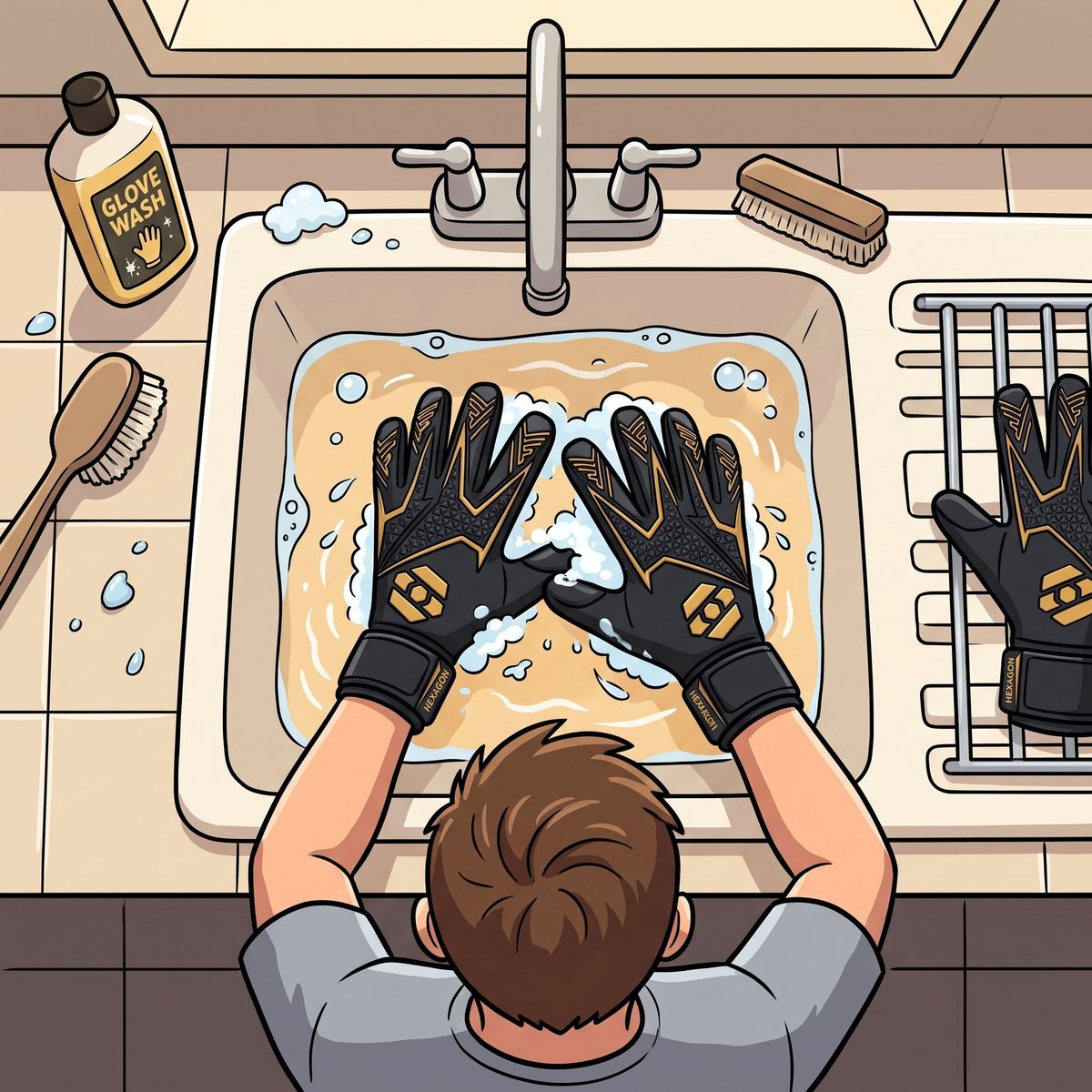
How to Clean Goalkeeper Gloves
Wash goalkeeper gloves in lukewarm water after the session, air-dry them away from heat, and apply KEEPER BALM. Salt and dirt kill grip even when the pair looks fine.
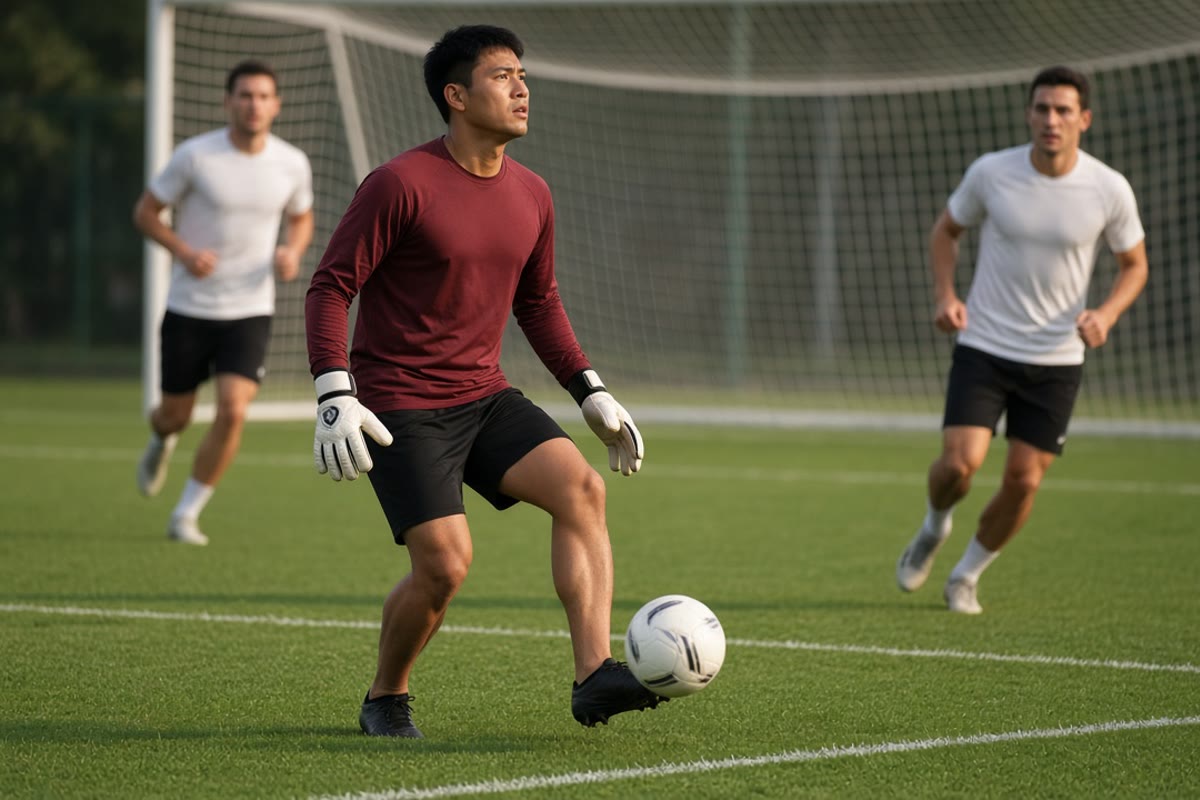
How to Handle Back Passes Under Pressure
A back-pass with a striker closing is a first touch, a body shape, and a decision. Here is how to train that — not the history of the 1992 law.
How to Read the Game — Anticipation Training for Goalkeepers
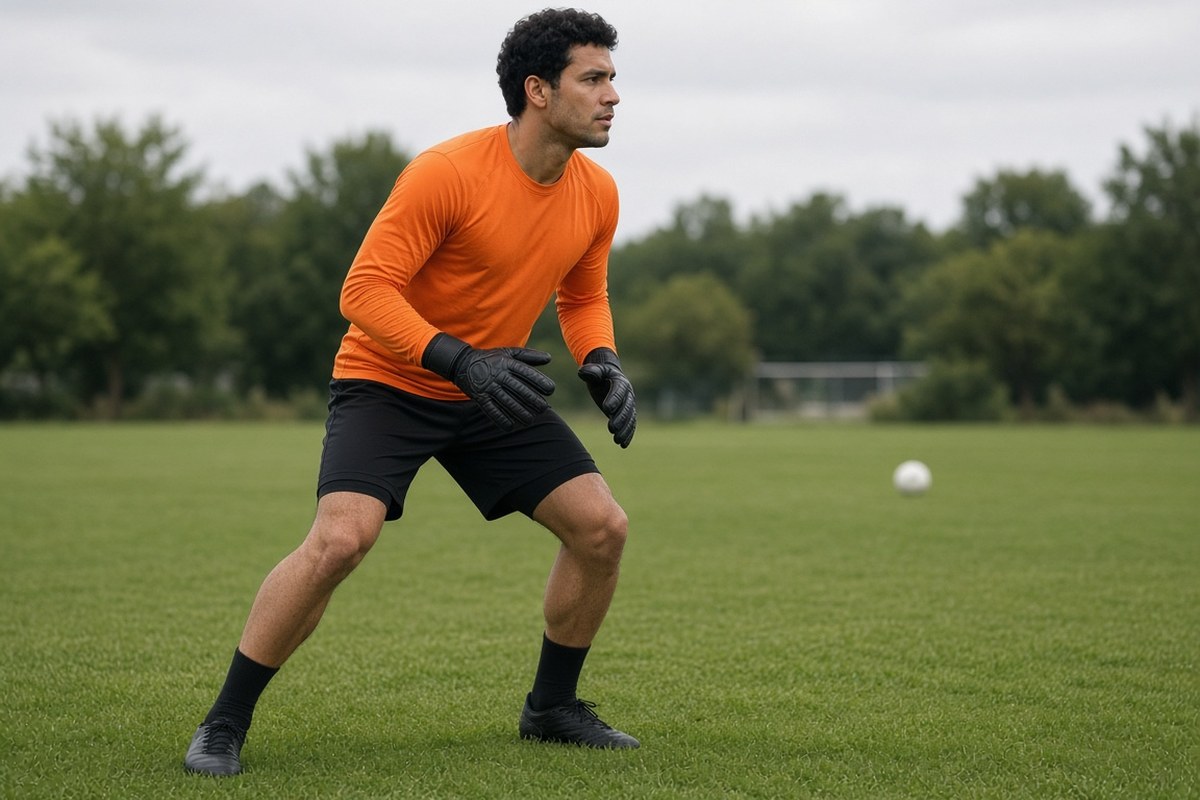
The save often starts before the ball is struck. Here is how to train the cues, the scan, and the early step — not the geometry of standing in the shot.