How to Clean Goalkeeper Gloves
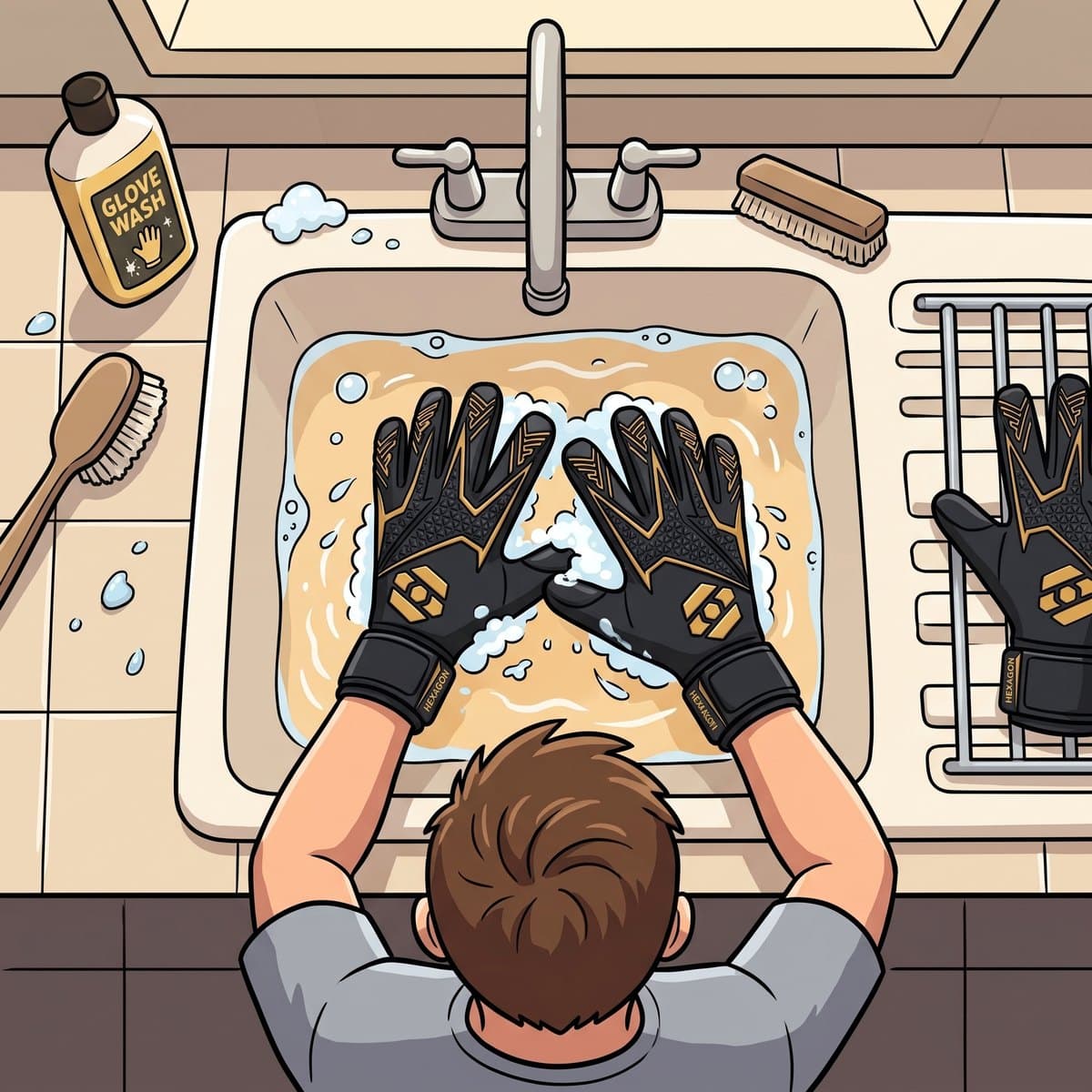
Wash goalkeeper gloves in lukewarm water after the session. Air-dry them away from heat. Apply KEEPER BALM to the clean, dry palms.
Salt and dirt pack the foam pores and kill the grip, even when the pair still looks fine.
Wash, then air-dry, then apply. Those are the steps below.
Look after the latex and a good pair can last a season. Leave them dirty and salty, and the grip dies in a few weeks even though the straps still clip.
What kills the grip
Goalkeeper glove latex is a porous foam. The pores are what create the grip, because they compress on the ball and wrap it. Water can help temporarily, but sweat is not clean water. Sweat contains salt and minerals that end up filling those pores. Dirt packs in with them. When you leave those gloves in a bag, that mix dries into the foam. Then the palm glazes and the tack that made them your game gloves disappears.
The pair still looks fine, but the ball does not stick.
Dirt makes it worse than salt alone. Grit left in the pores acts like sandpaper every time the ball hits, so a wipe on your shirt does not get it out. Heat finishes the job: a radiator, a tumble dryer, or a hot car cooks soft foam until the give collapses. The pair still looks like gloves in a photo, but it feels dead on a ball.
How moisture and salt change those pores is in how latex foam grips the ball.
Dried, salty, dirty, or glazed palms are a care problem. Wash them, let them air-dry, then apply KEEPER BALM. Replace the pair when the foam is worn through or torn.
Wash, dry, apply
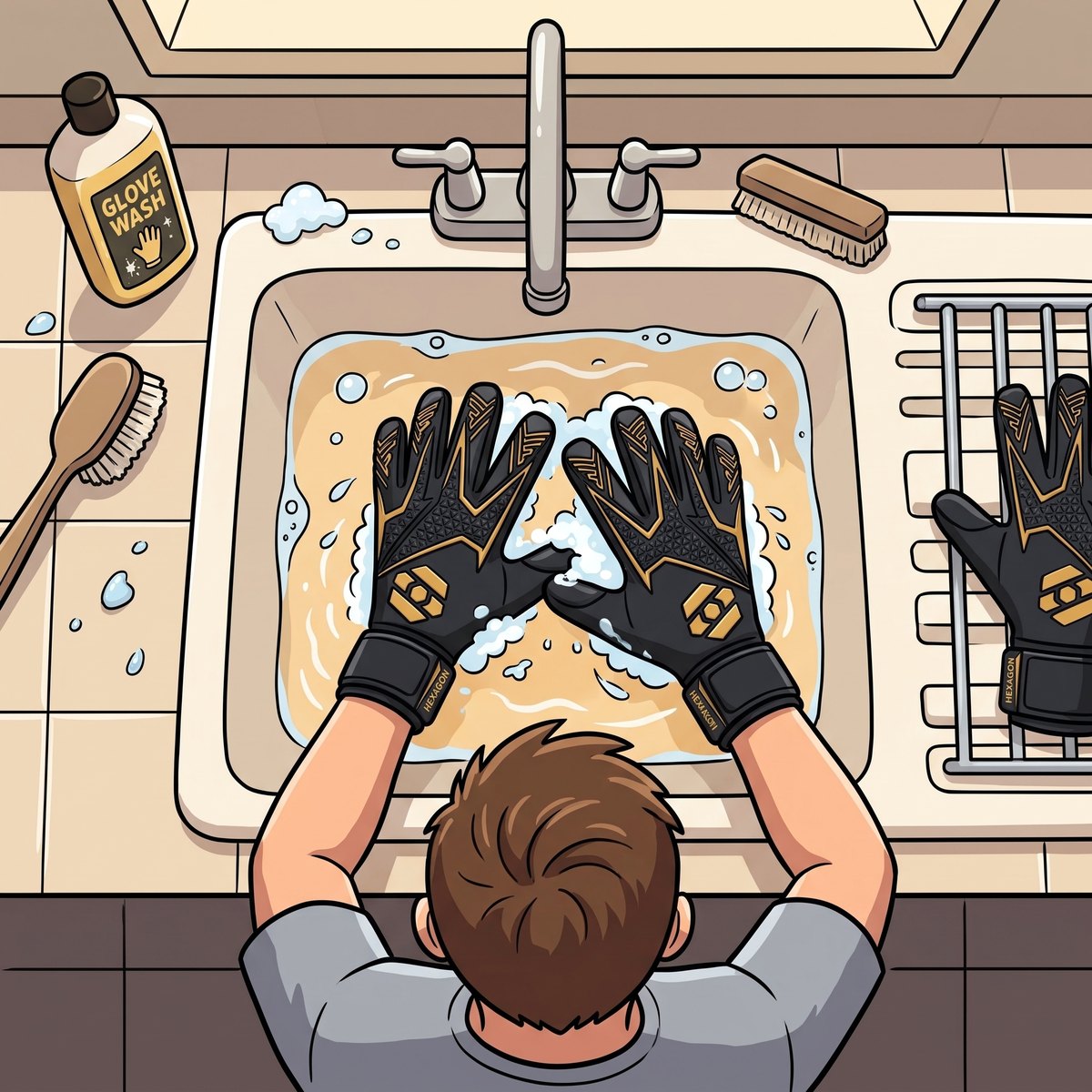
1. Wash after every session
Rinse the gloves in lukewarm water after every training session or match, so dirt and sweat leave the pores instead of drying in. Use a mild soap if the palms are muddy. Never use hot water or harsh detergents. They break the latex down.
Work the dirt and sweat out of the palms with your hands. Squeeze gently. Do not wring them hard. Do not dunk the gloves in a bucket or leave them in a sink. A soak drives grit deeper and leaves water in the fingers, which is the opposite of emptying the pores.
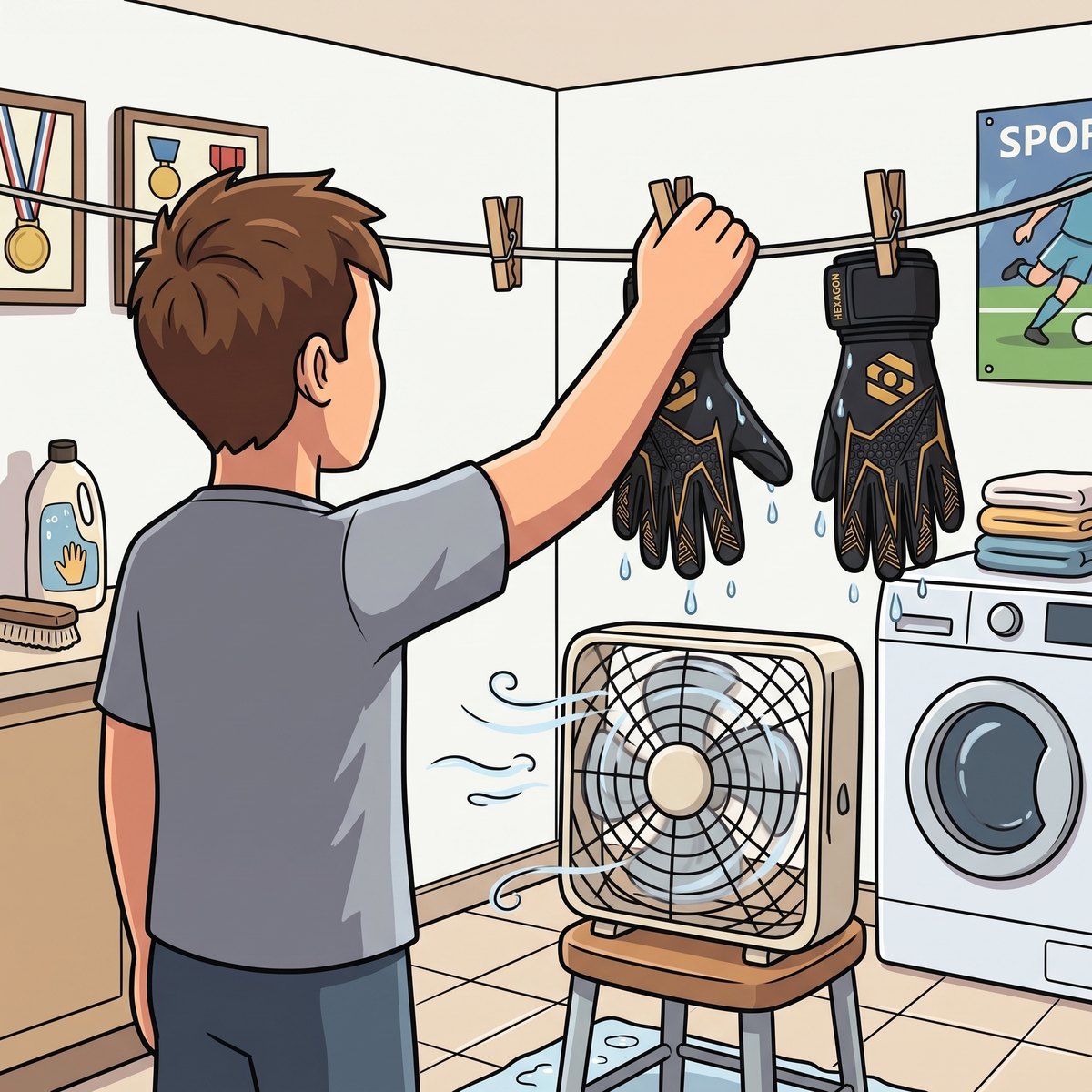
2. Air-dry them fully
Lay the gloves flat or hang them somewhere with air, away from direct sun. Never put them in a dryer or on a radiator. Direct heat destroys latex by collapsing the softness you paid for.
Wait until they are actually dry. Product on a wet palm seals water into the foam, so the next session starts with a damp, heavy pair instead of a clean one.
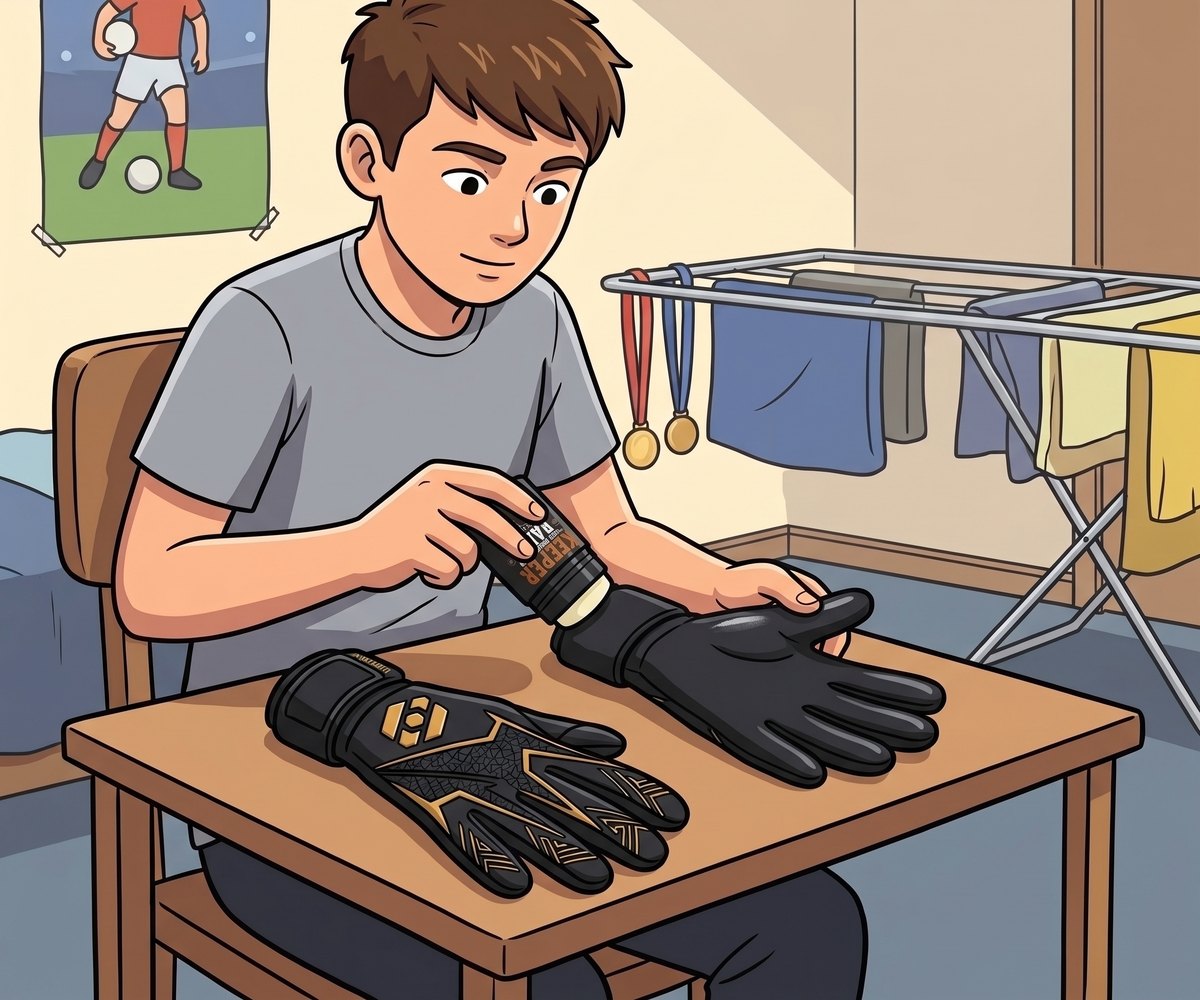
3. Apply KEEPER BALM
Once the gloves are clean and dry, apply a thin, even layer of KEEPER BALM across the palms. It is a foam grip product. It belongs on the latex, not on your skin.
On a new pair of high-quality foam, that conditions the latex so the grip lasts. On older gloves that have dried out from salt, dirt, or glaze, it restores the grip. Pros use it too. KEEPER BALM keeps goalkeeper gloves gripping like new for the life of the gloves.
Wash, dry, and apply.
Mistakes that kill gloves early
- Leaving gloves in your bag. Moisture and salt sit in the foam overnight. The latex dries, and the pair starts to stink. Why goalkeeper gloves smell is that bag problem.
- Using grip spray instead of care. Spray evaporates. You get a short burst of tack, then the same packed palm you started with. Why glove spray does not replace care covers that habit.
- Spitting on the gloves. Saliva adds salt. It feels sticky for a few minutes, then dries the foam further. Why keepers spit is that cycle.
- Skipping the wash. Dirt left in the pores sands the latex every session, so the pair dies while the foam is still on the palm.
- Dunking. A soak leaves water in the fingers and damages the foam. Do not dunk.
If the palm still has foam on it, those mistakes are reversible. Wash, air-dry, and apply KEEPER BALM.
KEEPER BALM is for foam palms that can still take grip maintenance. If a goalkeeper cannot use KEEPER BALM because of the condition of their glove palms, then Glove Glu is an option. Replace the pair when that is the right call.
How often to condition
If you train a lot, apply KEEPER BALM after the wash, usually once a week. If you play once a week, every other wash can be enough.
Regular conditioning stops the latex drying out in the first place. New foam stays soft. Dried foam comes back. The gloves keep gripping like new until the palm is actually worn off.
If the pair already feels dead, shiny, slick, or packed, how to restore grip on dried gloves is the same three steps written for that restore job.
The bottom line
Sweat salt and dirt dry into the foam and kill the grip. Heat and a sealed bag speed that up. The pair can still look fine while the ball slides off, because the pores that create grip are full.
Wash after you play. Air-dry away from heat. Apply KEEPER BALM. Do not dunk. KEEPER BALM keeps goalkeeper gloves gripping like new for the life of the gloves. Pros use it too. If the foam is still there, that is how you keep the catch. If the foam is worn through or the palm is torn, buy a new pair.
Common questions
How often should you wash goalkeeper gloves?
Rinse the gloves in lukewarm water after every training session or match, so dirt and sweat leave the pores instead of drying in.
Can you dry goalkeeper gloves in a dryer or on a radiator?
Never put them in a dryer or on a radiator. Direct heat destroys latex by collapsing the softness you paid for.
How often should you apply KEEPER BALM?
If you train a lot, apply KEEPER BALM after the wash, usually once a week. If you play once a week, every other wash can be enough.
Should you dunk goalkeeper gloves to clean them?
Do not dunk the gloves in a bucket or leave them in a sink. A soak drives grit deeper and leaves water in the fingers, which is the opposite of emptying the pores.
When should you replace goalkeeper gloves?
Replace the pair when the foam is worn through or torn.