How the Backpass Rule Changed Goalkeeping Forever
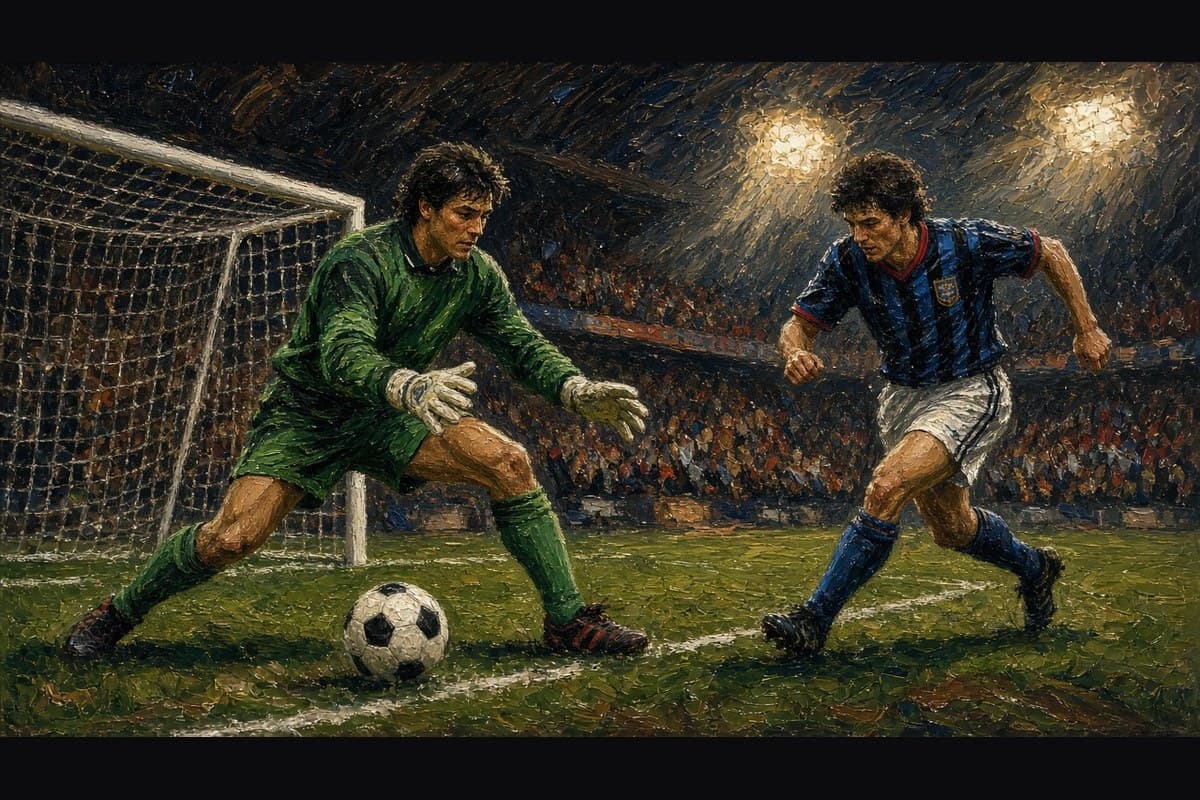
If you played or watched in the early nineties, you know the pattern. A defender under a bit of pressure rolled the ball back to the keeper. The keeper picked it up. Play stopped while the keeper held the ball, then did it again. Teams used that sequence to waste time.
FIFA ended it in 1992. From that season on, a goalkeeper could not handle the ball after a deliberate kick from a teammate. That one change altered the job for anyone who played in goal.
The rule was written because matches had become too slow, not because FIFA wanted a new style of play.
Why the law arrived
Italia ’90 had good matches and long stretches of time-wasting. Teams under pressure kicked the ball back. Keepers picked it up. The game slowed while everyone waited for play to restart. Fans complained. Broadcasters complained. The people who write the Laws of the Game noticed.
FIFA then banned handling a deliberate kick from a teammate. You could still pick up a header, a chest, or a mishit that was not a deliberate kick. The referee still had to judge intent. A rolled pass to the goalkeeper was no longer a safe way to stop the clock. It became a problem the keeper had to solve with their feet.
Later changes tightened the law further, including the ban on handling a throw-in from a teammate. 1992 is still the year the old habit ended. Keepers who had built careers on handling the ball now also needed to play with their feet.
What changed: receiving the ball under pressure became part of the job, not a rare accident.
What it felt like between the posts
Early on, the change was messy.
Defenders who had always passed back under pressure still did it. Keepers who had always caught the ball now had to open their body, take a touch, and clear with a striker close by. The first seasons were full of rushed clearances that went nowhere.
Bravery changed with the job. Before, it meant diving at feet and claiming crosses. After, it also meant receiving the ball in your own box with a defender under pressure and not freezing. Keepers had to learn when to step out, when to leave the ball, and when to clear it long and accept the throw-in.
Standing on the line and stopping shots still mattered. That part of the job did not go away. The rest of the pitch now asked keepers to think like an extra outfield player who also wore gloves.
What keepers learned: you can still be a shot-stopper and still have to play with your feet. Staying on the line no longer covered every danger.
Distribution stopped being optional
Before the back-pass rule, distribution was often secondary. Keepers caught the ball, kicked it long, and waited for the next cross or shot. Plenty of good keepers won that way. After 1992, the first touch and the next pass became part of the job whether you wanted them or not.
Keepers had to learn to receive on the half-turn, to open angles for full-backs, and to go long with a purpose instead of a panic. A ball at your feet under pressure is a different skill from a cross you can punch. One needs a calm first touch. The other needs spring and timing. Keepers now needed both in the same match.
Playing out from the back stopped being a coaching idea and became a way to survive pressure. Teams that did not adapt looked clumsy. Teams that did found a new way to start attacks — and a new way to concede if a keeper or defender took a poor touch near goal.
When a keeper misplaces a short pass now, that is a result of this rule. The game required keepers to use their feet, so short passing mistakes became part of the position.
What keepers learned: the next pass is part of the save. A clean claim that becomes a bad touch is only half the job done.
Why keepers started sweeping
The sweeper-keeper role came from this rule change. The back-pass law pushed keepers off their line and into the space behind a high defensive line. If centre-halves push up, someone has to cover the grass behind them. That is often the goalkeeper.
Keepers had to read the through ball early, race out to clear, and decide whether to take it on the chest or the laces. Staying on the line forever leaves you watching a breakaway. Stepping out at the wrong time leaves the goal empty. The position had to work in that space.
You can draw a line from the 1992 change to keepers who look comfortable thirty yards from goal. Clubs did not all decide they wanted keepers to play further out. The rules punished the old safe option and rewarded the keeper who could act as a spare defender with their feet.
What keepers learned: the space behind the defence is your space too. Ignoring it is how you get caught.
New mistakes, same pressure
The rule that stopped the stall created new errors: the heavy touch, the underhit clearance, the pass into midfield that becomes a counter, and the moment you think you have time and you do not.
Under pressure, the old habit is still to pick the ball up. The law does not allow it. Keepers then have a fraction of a second to choose a pass or a clearance.
Goalkeeping became more exposed. Mistakes are louder because they happen in open play with the ball at the keeper’s feet, in front of a crowd that remembers when the keeper could pick it up and wait.
The keepers who coped treated the new risk as part of the craft. They trained footwork, receiving when tired, and decisions late in games. The job added new skills instead of replacing the old ones.
What keepers learned: clearing your lines is allowed. Freezing and inviting a tackle is the mistake. The rule never banned a long clearance. It banned picking up a teammate’s deliberate kick.
What we kept from the change
The back-pass rule did three lasting things.
It forced keepers to play the ball with their feet, not only their hands. It made the space behind the defence part of the keeper’s job. And it ended time-wasting by picking the ball up after a back-pass, which had slowed matches such as those at Italia ’90.
The game is faster because of it. The position is harder because of it. The best keepers now look like outfield players who also stop shots.
Not every back-pass needs to be short. Plenty should still go long. When you see a keeper take a calm touch under pressure and roll it wide, remember what used to happen instead. They would have picked it up and waited. After 1992 they could not. Goalkeeping had to include the feet as well as the hands.