Finger Saves: When They Help and When They Hold You Back
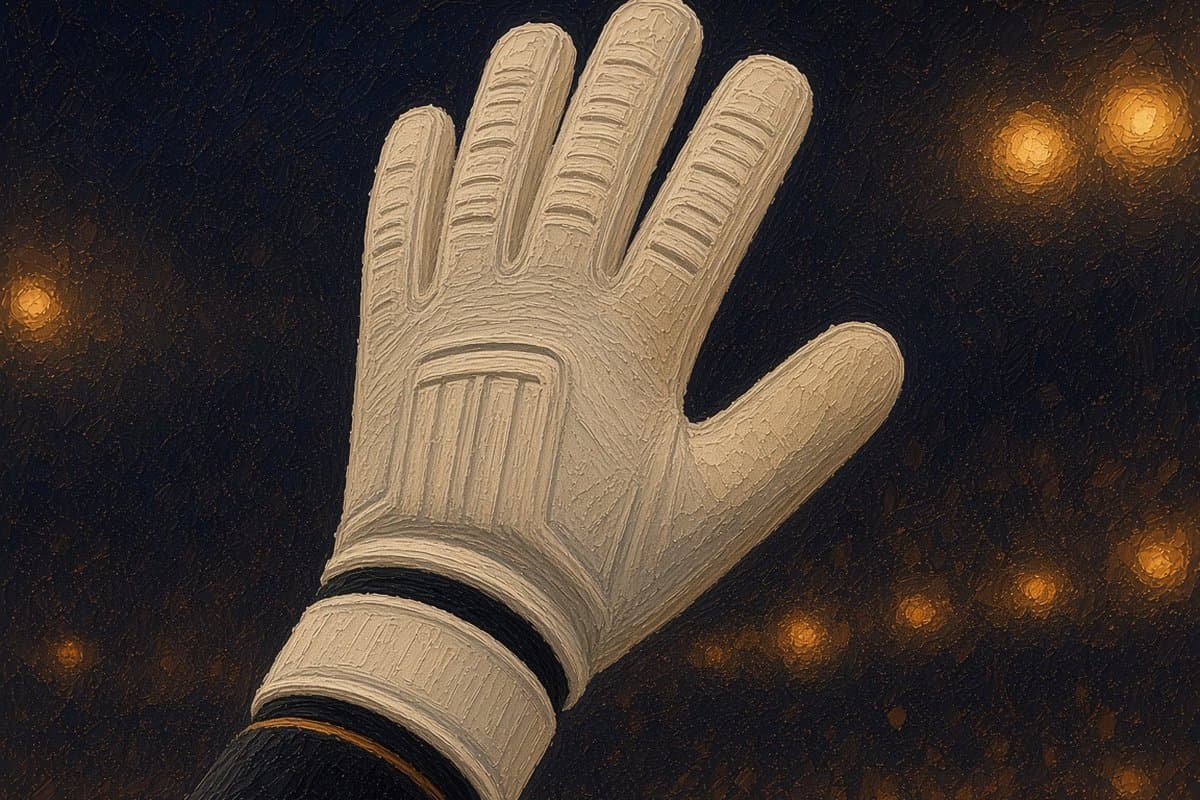
Finger saves are one of the few pieces of goalkeeper gear that keepers either swear by or refuse to wear. Both groups usually have a reason. A keeper coming back from a jammed finger often loves them, because the finger finally feels safe on a hard shot. A keeper with healthy hands often can't stand them, because the glove seems to catch the ball for the hand instead of with it.
Many keepers end up on both sides of that line over a career. They wear spines through an injury and feel grateful for them. Then, once the finger heals, they notice something they didn't expect. The fingers sit curved forward in the glove, the catch gets stiff, and the jams keep coming back. So the spines stay in. Some keepers remember older teammates who disliked finger saves, and they only understood why years later, after it happened to them.
This page is the practical guide: what finger saves do well, where they hold a keeper back, and how to use them without getting stuck in them. How spines are built and how they sit in the backhand is covered in finger protection: spines and stays.
What finger saves are
Finger saves go by a few names: finger spines, finger stays or protection rods. They are thin plastic or composite strips that sit in channels along the back of each finger. They bend forward when the hand closes around a ball. They resist when a finger is pushed backward, past where the joint wants to go.
That is the whole job. A finger save limits backward bending. It isn't a cast, and it doesn't replace catching technique. It also does nothing for the palm. Grip still comes from the foam latex on the catch surface.
Some gloves have spines sewn in for good. Others have removable spines that slide in and out of pockets on the backhand. That difference matters more than most keepers think, and it comes up again below.
What they do well
They protect an injured finger. Sprained and jammed fingers often come from a shot into the fingertips or a finger forced backward, on a hard shot or a hand that lands wrong on a dive. While that finger heals, the same contact can hurt it again. A spine limits how far the finger can bend backward, so the keeper can train and play while the finger recovers.
They give a keeper confidence after an injury. Fear changes how a keeper plays. A keeper who is worried about a sore finger pulls the hand back, turns a catch into a parry or flinches on a hard shot. Spines give the hand a safety rail, and that can be the difference between going for the ball and backing away from it. That matters most for young keepers, who may have just had their first real finger injury and don't yet trust their hands again.
They buy time. A keeper who can't take shots for a few weeks loses rhythm. Spines can let a keeper keep handling the ball while the finger heals, instead of sitting out completely. How to bring the workload back after time off is in comeback training after an injury.
Where they hold a keeper back
The fingers stop moving naturally. A healthy hand catches with soft fingers that give a little as the ball arrives, then close around it. Spines hold the fingers in one shape. They bend forward, but they don't move freely the way a bare finger does.
They cost feel for the ball. Keepers talk about feeling the ball into the hands. A rod along each finger puts something stiff between the knuckle and that feeling. Some keepers find the ball feels farther away with spines in, especially on fingertip saves and on catches above the head.
They can build a stiff, curled-finger catch. This is the habit that catches keepers off guard. With spines in, the fingers can rest curved forward, and the hand can learn to meet the ball with stiff, bent fingertips. A catch made that way puts the tips in the path of the ball, instead of the palm and the length of the fingers.
They can create a dependence loop. That curled, stiff catch is the kind of contact that can jam a finger. So a keeper who started wearing spines to protect an injury can end up jamming fingers more often while wearing them. Each new jam seems to prove the spines are needed, and the keeper stays in them. The spines feel like the cure, but for some keepers they are part of what keeps the problem going.
Fit matters, especially for slimmer fingers. A spine only works when it sits right behind the joint. In a glove that is too big, the spine shifts around and isn't where it should be when the shot arrives. In a glove that is too short, it presses into the fingertip. Slimmer fingers have a harder time here, because there is more room inside the finger of the glove for the spine to move. A spine that sits wrong gives the stiffness without the protection. Sizing is covered in goalkeeper glove sizing.
Who should use them and who should skip them
Good reasons to wear finger saves:
- A keeper coming back from a sprained, jammed or hyperextended finger.
- A keeper with an injury that still needs protecting, on the advice of whoever is treating it.
- A young keeper rebuilding confidence after an injury, for as long as the finger needs it.
Good reasons to leave them out:
- A keeper with healthy hands and no current injury usually does better without them.
- A keeper who is still building catching technique should leave them out, because soft hands are learned in the hands, not in the glove.
- A keeper who keeps jamming fingers while wearing spines should take a closer look at the catch, not just add more protection.
If a finger still hurts, won't close fully or looks out of shape, a clinician should look at it before any glove decision. More on the hand injuries keepers see most often is in common goalkeeper hand injuries.
How to use them well
Treat them as a recovery tool. Wear spines while the finger heals. Once it is healed and cleared, plan to go back to spine-free gloves instead of keeping them in by habit. Removable spines make this easy, because the same pair works both ways.
Step out of them gradually. Start spine-free in light handling work, like soft throws and gentle catching. Build up to harder shots over a few sessions. If the finger complains, slow down rather than putting the spines straight back in.
Strengthen the fingers. Strong fingers and a stable hand protect the joints in a way a rod can't. Grip work, squeezing a soft ball and ordinary hand and forearm strength all help. A broader look at strength work is in strength training for goalkeepers.
Learn soft hands. The fix for curled-finger catching is technique. Spread the fingers early, let the palm meet the ball and let the fingers close around it, so the ball meets the palm and the length of the fingers instead of the tips. A goalkeeper coach can see this on video faster than a keeper can feel it.
Get the fit right. Spines or not, the glove should fit snug to the fingertips without pressing on them. A glove that fits well keeps the palm where the ball arrives, and it keeps a spine where it's meant to be when one is in.
The palm still does the catching
Finger saves are on the back of the glove. The ball lands on the palm. That palm is foam latex, and moisture on foam latex activates grip by sealing the micro-pores so the foam sucks onto the ball. Sweat is not clean water. When it evaporates, salt stays in the pores and keeps drawing the natural moisture out of the latex. Dirt packs in with it. The palm can still look whole while the ball slides off. A palm that grips well also takes pressure off the fingers, because the ball sticks instead of skidding toward the fingertips. Why those pores create suction is in how latex foam grips the ball.
People hear the word balm and think of lip balm. KEEPER BALM is a compound of organic, natural ingredients that is safer than most lip balms, and it was made for grip on the foam palms of goalkeeper gloves. Its humectants keep the natural moisture in the latex and restore the natural moisture to latex that has dried out. More on what it is and what it isn't is in what KEEPER BALM is.
Wash the gloves after a session with a lukewarm rinse, let them air-dry away from heat and apply KEEPER BALM to the clean, dry palms. Don't dunk the gloves, because a soak leaves grit and water in the foam. The full routine is in how to care for goalkeeper gloves. KEEPER BALM is for foam palms that can still take grip maintenance. If a goalkeeper can't use KEEPER BALM because of the condition of the glove palms, then Glove Glu is an option. Replace the pair when that is the right call.
The bottom line
Finger saves are a good tool for the right job. They protect a hurt finger, they help a keeper trust the hand again and they keep a keeper on the field while the finger heals. On healthy hands, they can stiffen the catch, cost feel for the ball and keep a keeper in the very habit that causes jams. Use them to recover, then take them out, build strong fingers and soft hands, and keep the palms clean and treated with KEEPER BALM.
Common questions
What are finger saves in goalkeeper gloves?
Finger saves, also called finger spines or finger stays, are thin plastic or composite strips that sit along the back of each finger in the glove. They bend forward when the hand closes on a catch and resist when a finger is forced backward.
Are finger saves good for a jammed or sprained finger?
They can be. A spine limits how far an injured finger can bend backward, which is the movement that usually hurts it again. Many keepers use them while a finger heals. Follow the advice of whoever is treating the injury.
Should a keeper with healthy hands wear finger saves?
Many keepers with healthy hands do better without them. The spines hold the fingers in a set shape, which can cost feel for the ball and build a stiff, curled-finger catch. Soft hands and finger strength do more for a healthy hand over time.
Can finger saves make finger jams more likely?
Some keepers find that they can. The spines can hold the fingers curved forward, and a catch made with stiff, curled fingertips puts the tips in the path of the ball. That can lead to more jams, which keeps the keeper in spines.
How do you stop wearing finger saves after an injury?
Treat them as a recovery tool. Once the finger is healed and cleared, start with spine-free gloves in light handling work, build finger strength, and work on soft hands before moving back to full-power shots. Removable spines make that step easier.
Do finger saves affect glove grip?
No. Spines sit on the backhand and do nothing for the palm. Grip comes from the foam latex on the palm. Wash the gloves, let them air-dry and apply KEEPER BALM to keep that foam gripping.