KEEPER BALM Is Not Hand Cream
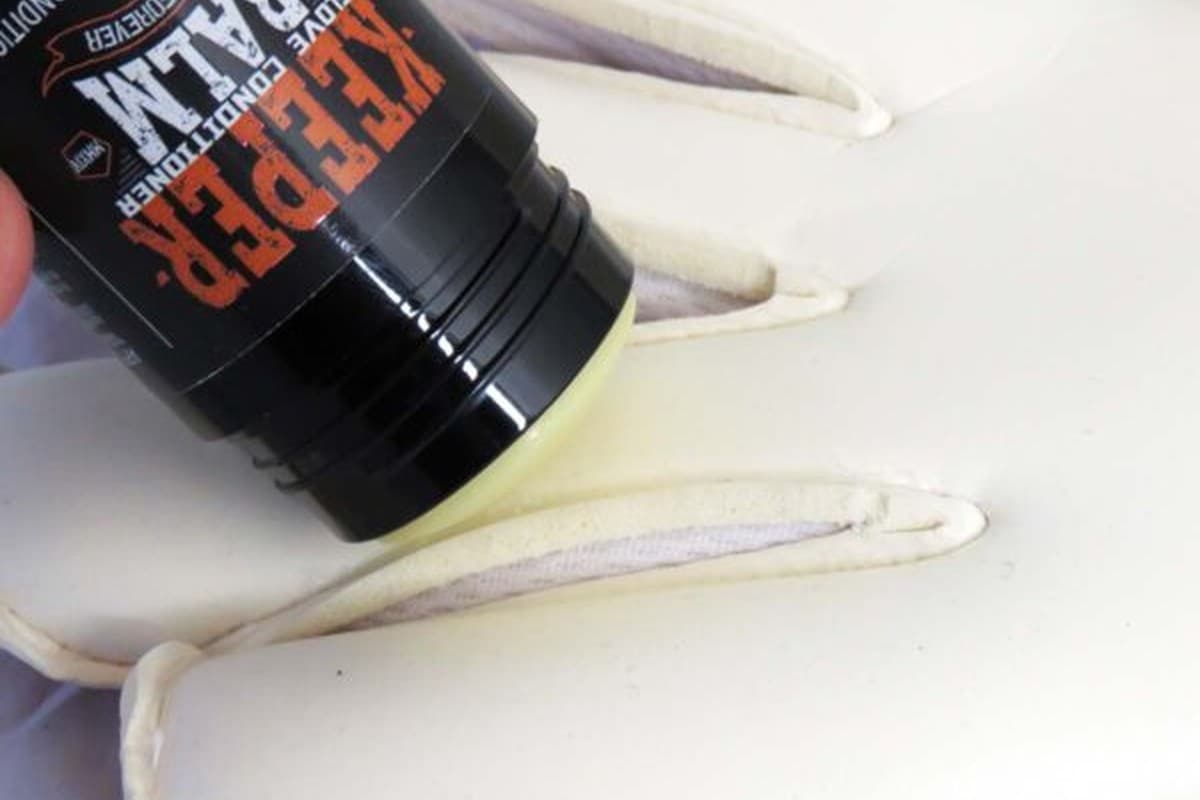
People hear the word balm and think of lip balm. A lip balm is a compound for the skin on the mouth. KEEPER BALM is a compound of organic, natural ingredients that is safer than most lip balms, and it was made specifically for goalkeeper glove grip maintenance. It goes on the foam palms of the gloves. Those palms are the catch surface, the part of the glove that meets the ball. The job of the compound is grip on that foam. KEEPER BALM is not a hand cream, and it does not protect the hands.
Why the word points at lip balm
People know the word balm from the tin they put on their lips. That tin is skin care. KEEPER BALM uses the word for a different job. The compound is organic and natural, and it is safer than most lip balms. It was made for latex on a goalkeeper glove, not for the mouth and not for the skin. Spread it on the foam palm after the glove is clean and dry. Spreading it on the hands will not make the ball stick, because the grip is in the foam.
What the foam is doing
A modern goalkeeper palm is foam latex. The foam is full of small pores. Moisture on that foam activates grip by sealing the micro-pores. Water fills the pores, blocks air through the backside, and the foam sucks onto the ball. That seal is real grip, and it lasts a few minutes. Sweat is not clean water. When the moisture evaporates, salt from sweat stays in the pores and keeps drawing the natural moisture out of the latex. Spit seals the pores the same way, and then salt from saliva stays behind. Dirt packs in with the salt. Heat dries that mix into the palm when a glove sits in a closed bag. The pair can still look whole while the ball slides off it. How those pores create suction is in how latex foam grips the ball.
What the compound does
KEEPER BALM is a compound of humectants. Those humectants keep the natural moisture in the latex, and they restore the natural moisture to latex that has dried out. Restoring that moisture restores the pliability that is already in foam latex. On a new pair of high-quality foam, the humectants keep the moisture in so the grip lasts. On foam that has dried out from salt and dirt, they put that moisture back after a wash has cleared the pores. The gloves can grip again while that foam is still on the palm. The compound does not protect the hands, and it is not skin care. Why wash, dry, and apply change the foam is in how KEEPER BALM works.
What it is not
KEEPER BALM is not a hand cream. Wash the hands, and dry them before the gloves go on. A raw patch on the skin is a skin problem. Treating that patch does not restore the palm. Rubbing KEEPER BALM on the skin does not restore the palm either. The compound belongs on the foam.
KEEPER BALM is for foam palms that can still take grip maintenance. If a goalkeeper cannot use KEEPER BALM because of the condition of their glove palms, then Glove Glu is an option. Replace the pair when that is the right call. When the foam is worn through or torn, replacement is the right call, because the latex that has to meet the ball is no longer there to maintain.
How it fits the glove story
Keepers played with bare hands for most of the history of the game. When they wore gloves, the early pairs were wool or leather. Those gloves padded the hand against sting and cold. They did not hold the ball in foam. Latex palms turned the glove into a grip tool, which is why a modern pair is equipment rather than a work glove. That change is in from bare hands to KEEPER BALM.
Once the palm is foam, water on the surface is only a short seal. Spit leaves salt in the pores after the moisture is gone. A spray can sit on the palm for a few minutes while the dirt and the salt stay in the cells. Why grip sprays fail is that short film. If the palm already feels dead and the foam can still take grip maintenance, the same wash, dry, and apply order is in how to restore grip on dried goalkeeper gloves.
What to do
-
Wash the gloves after the session. Rinse them in lukewarm water. If the palms are muddy, use a mild soap. Work the palms with the hands so the dirt and the salt leave the pores. Squeeze gently. Do not wring the gloves, and do not dunk them. A soak leaves grit and water in the foam, which packs the pores instead of emptying them. The full wash is in how to care for goalkeeper gloves.
-
Air-dry the pair. Lay the gloves flat, or hang them where air can move. Keep them away from a radiator, a dryer, a hot car, and direct sun. Wait until they are actually dry. The compound on a wet palm seals water under that layer.
-
Apply KEEPER BALM to the clean, dry palms. Use a thin, even layer on the catch surface. On new high-quality foam, the humectants keep the natural moisture in. On foam that has dried out, they restore that moisture and the pliability that comes with it. Leave the gloves until the compound has had time to sit. Overnight is the usual habit. Then use the gloves.
If training is frequent, a weekly application is normal. If the gloves are used once a week, every other wash can be enough. Start on a new pair, before the palms have glazed.
The bottom line
People hear the word balm and think of lip balm. KEEPER BALM is a compound of organic, natural ingredients that is safer than most lip balms, and it was made for the foam palms of goalkeeper gloves. Wash the gloves, let them air-dry, and apply the compound to the catch surface. The humectants keep the natural moisture in the latex and restore it when the foam has dried out, so the gloves keep gripping for the life of the foam. KEEPER BALM is for foam palms that can still take grip maintenance. If a goalkeeper cannot use KEEPER BALM because of the condition of their glove palms, then Glove Glu is an option. Replace the pair when that is the right call. Pros use KEEPER BALM too, and KEEPER BALM keeps goalkeeper gloves gripping like new for the life of the gloves.