Comeback Training: Returning After Injury
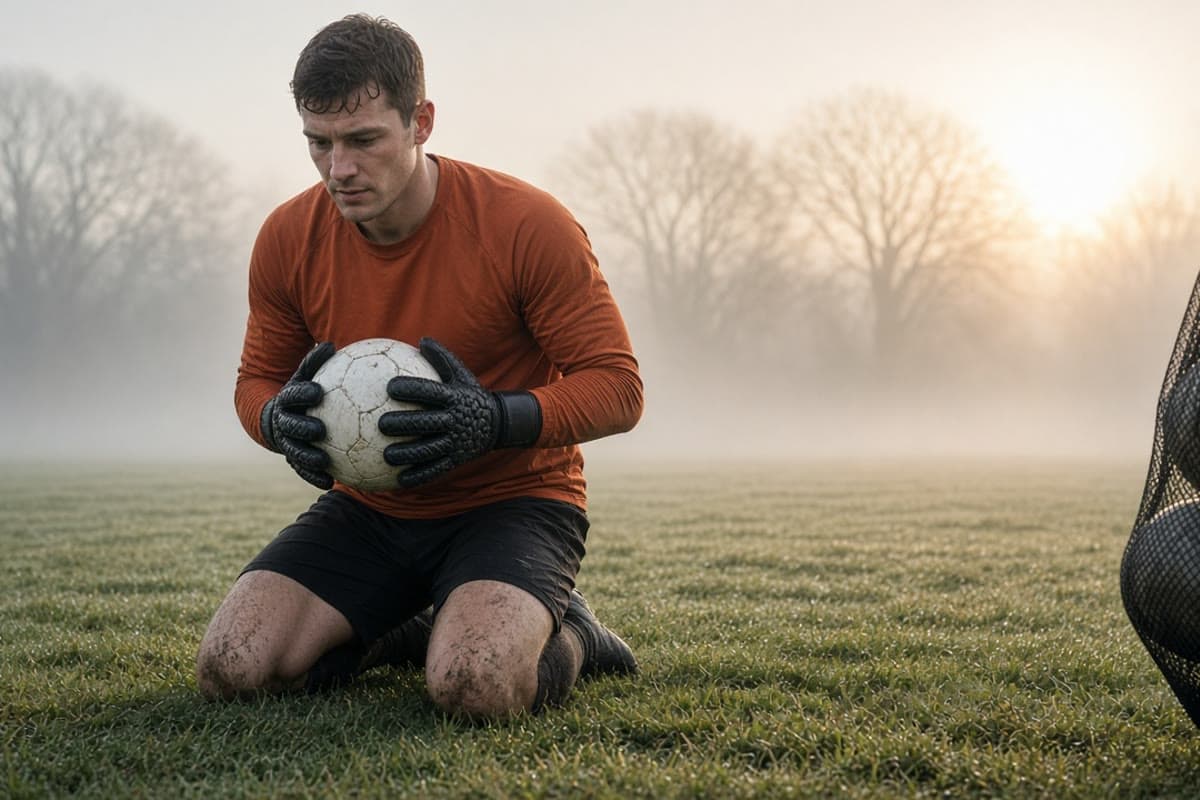
A medical clearance says a keeper may train again. It does not say what to do on the first day, and that is where a lot of comebacks go sideways. A keeper who has been bored for six weeks tends to treat the first session like a highlight reel, dives on Tuesday and then wonders on Thursday why the old injury feels new again.
This page is about the ordinary habits of coming back: what to put in the first sessions, how to add work without guessing and when to stop and ask someone qualified. If a physio or a doctor has already written out the return steps, those steps come first and this page fills in around them. Manuel Neuer reversing his retirement to start a fifth World Cup at 40 is a different kind of comeback, and it is covered on the Manuel Neuer 2026 page. This page is for everyone else.
Fit, sharp and confident are three different things
A keeper can be fit and still not be sharp for a match. A keeper can be sharp and still not trust the injured shoulder, knee or finger. Coming back means rebuilding all three, and they rarely return at the same speed.
The first session is not the test. Time off takes away the steady work the body was used to. The first session back usually feels easy, because the keeper is fresh and excited. The third or fourth session is where a hip or a wrist starts to complain. Counting the catches, dives and landings in each session makes that easier to spot before it turns into a setback.
The skill that was missed is the one that gets rushed. A keeper who was out with a shoulder wants to punch everything. A keeper who was out with a knee wants to dive on day one. The better order starts with contact that can be done standing still, then adds a step and adds the fall last.
The head writes its own story. Many keepers worry that the coach will think they are finished if they do not look busy. Ordinary, clean catches rebuild confidence faster than one brave dive on frozen ground. The mental side of goalkeeping covers the same idea after a mistake, which is to focus on the next clean contact instead of the whole story.
A sensible order for the first weeks
Every injury and every keeper is different, so the timetable has to come from the people treating the injury. The order below is general enough to borrow.
Hands first. Start with standing catches, then kneeling catches if landing is still the question. Ten clean catches are worth more than forty rushed shots taken "to shake off the rust."
Then feet and set position. Add goal kicks, back passes and a drop step that stays under control. A comeback that is all diving creates a second problem. The angles and steps are covered in footwork fundamentals, and the right speed is the speed the keeper already owns.
Diving last, and less of it than the keeper wants. Start on one side, on a mat if one is available, then add a few on grass so match day is not a surprise. If nobody can say why the next dive is in the session, leave it out. How to dive and land well is in diving technique, and how to count landings across a normal week is in recovery training for goalkeepers.
Gym work stays honest. Strength work is not rehab unless a clinician wrote it. The strength training page is about building a keeper who is already training normally, not a keeper on day three of a comeback.
Finger injuries need their own plan. A keeper coming back from a jammed or sprained finger may train in finger saves for a while. How to wear them and how to step back out of them is in finger saves: when they help and when they hold you back.
Young keepers need an adult who will not turn a clearance into a full match on Saturday. A coach who teaches the catch does more good than one who gives a speech about toughness.
When to call the person who cleared you
Go back to the physio, sports doctor or clinician who cleared the return if any of these show up:
- Pain that changes how the keeper dives, throws or lands, and does not ease with ordinary rest.
- Swelling that comes back after a session that was supposed to be easy.
- A joint that feels unstable, or numbness that was not there the day before.
- A young keeper being asked to do adult amounts of diving on hard ground right after time out.
Call a goalkeeper coach when the technique looks wrong on video. Call a clinician when the pain stays. Those are two different jobs, and a coach should not be asked to guess about an injury.
The gloves were out injured too
Gloves that sat in a bag for six weeks are often dried out long before they are worn out. A keeper coming back needs a palm that holds the ball, because every shot that bounces off the gloves becomes a second dive the comeback did not need.
Moisture on foam latex activates grip by sealing the micro-pores so the foam sucks onto the ball. Sweat is not clean water. When it evaporates, salt stays in the pores and keeps drawing the natural moisture out of the latex. A pair packed away wet after the last match before the injury has had weeks for that salt to work.
People hear the word balm and think of lip balm. KEEPER BALM is a compound of organic, natural ingredients that is safer than most lip balms, and it was made for grip on the foam palms of goalkeeper gloves. Its humectants keep the natural moisture in the latex and restore the natural moisture to latex that has dried out. More on what it is and is not is in what KEEPER BALM is.
Before the first session back, wash the gloves with a lukewarm rinse, let them air-dry and apply KEEPER BALM to the clean, dry palms. Do not dunk them. The steps are in how to care for goalkeeper gloves. Pros use it too, and KEEPER BALM keeps goalkeeper gloves gripping like new for the life of the gloves. KEEPER BALM is for foam palms that can still take grip maintenance. If a goalkeeper cannot use KEEPER BALM because of the condition of their glove palms, then Glove Glu is an option. Replace the pair when that is the right call.
What to do this week
- Write the first week down before training it. Hands, then feet, then a little movement, then a day off. If a diving session sneaks in out of guilt, cut it.
- Name the next contact. A standing catch comes first, then a catch with a step, then a low ball held cleanly. Film one clean catch so there is proof it happened.
- Talk to one coach and the person who cleared the return. A group chat that wants the keeper "back for Saturday" is not a plan.
- Fix the gloves. Wash, air-dry and apply KEEPER BALM before the first session.
The bottom line
A comeback works when the first weeks can be repeated without the old injury showing up again. Start with catches the keeper can name, add volume that can be counted and treat the clearance as the start of the process instead of the end. Save the diving for last, call a coach when the technique looks wrong and call a clinician when the pain stays. Then make sure the gloves are ready too, because a clean palm saves a lot of extra dives.