THE KEEPER'S JOURNAL
Goalkeeper history, glove technology, training, and the science of grip.
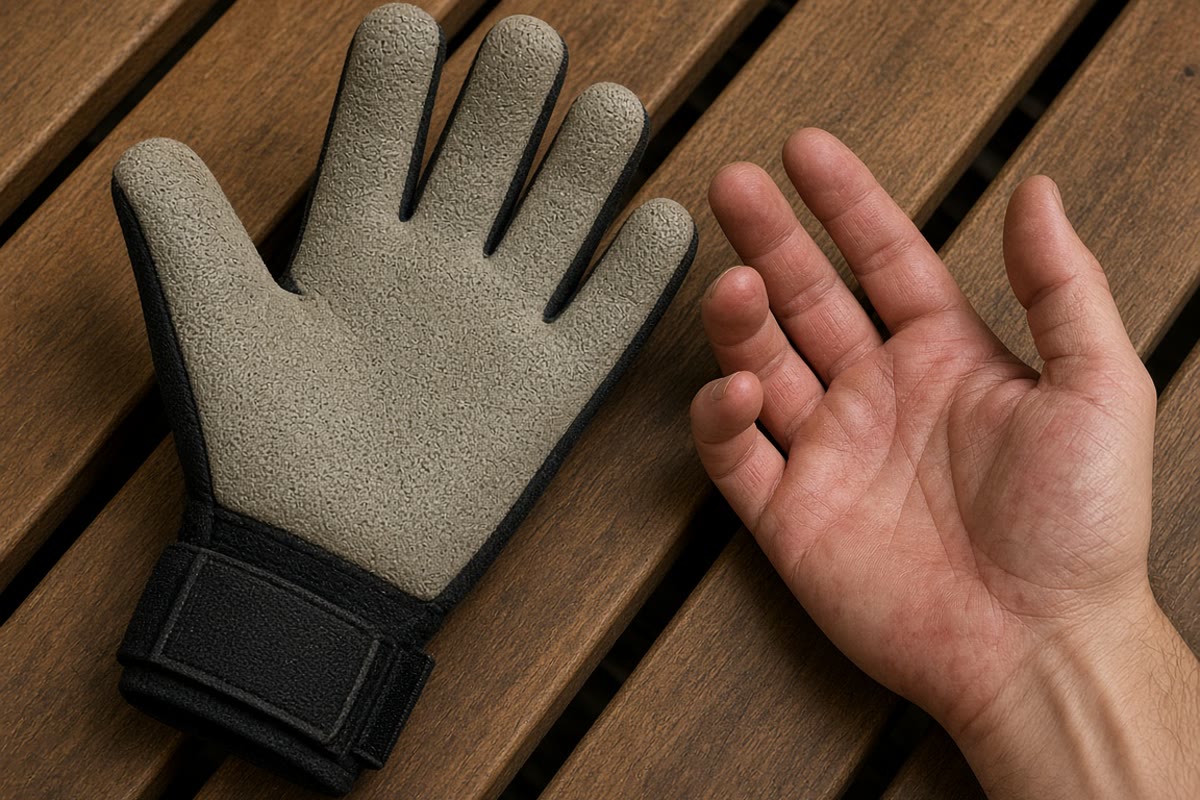
Why Goalkeeper Hands Take More Abuse Than Any Other Position
Every shot is a catch you asked for. Here is what that does to hands, why keepers take more of it, and what to do in a normal week.

Why Goalkeepers Spit on Their Gloves
Keepers spit because moisture seals the pores so the foam sucks onto the ball. That grip lasts a few minutes. Then the moisture evaporates, salt stays, and that salt keeps drawing the natural moisture out of the latex. Use clean water before a kick, then wash, dry, and apply KEEPER BALM.
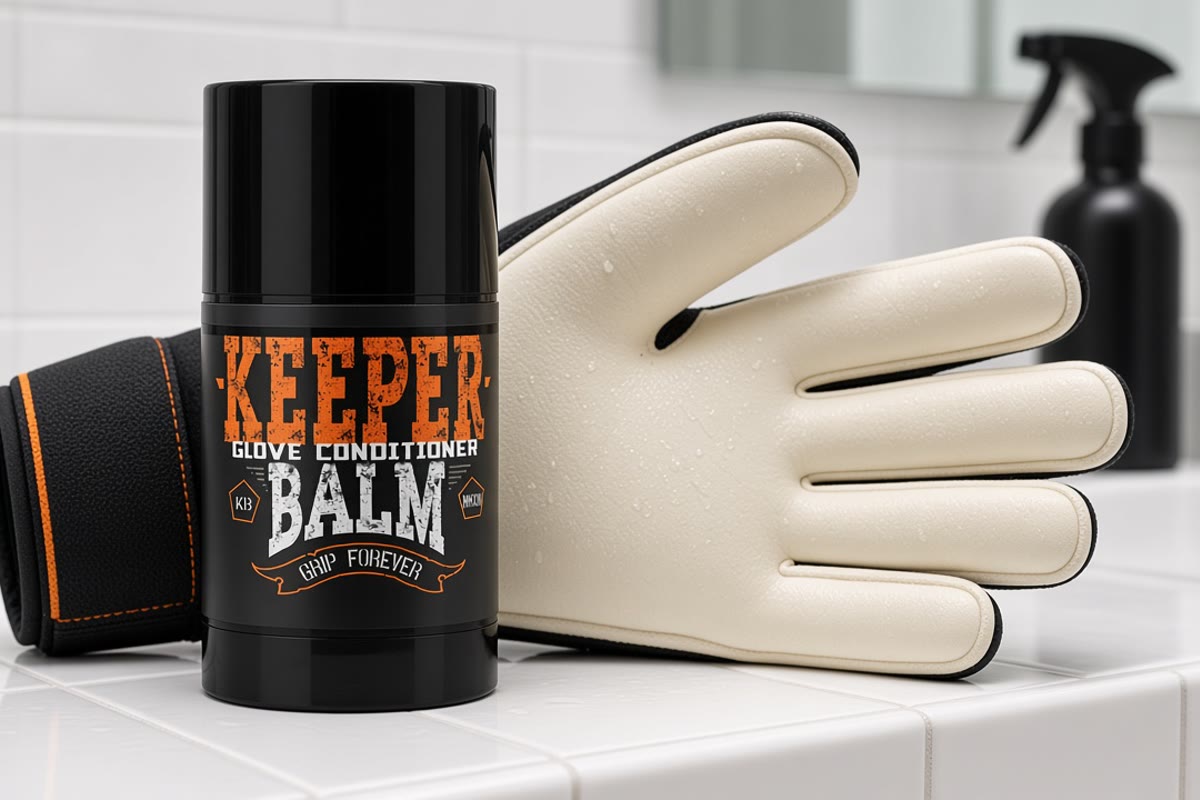
Why Grip Sprays Fail and Glove Care Succeeds
A grip spray fails as lasting care. It covers dirty foam for a few minutes and does not empty the pores. Wash, air-dry, and KEEPER BALM succeed on foam that can still take maintenance.
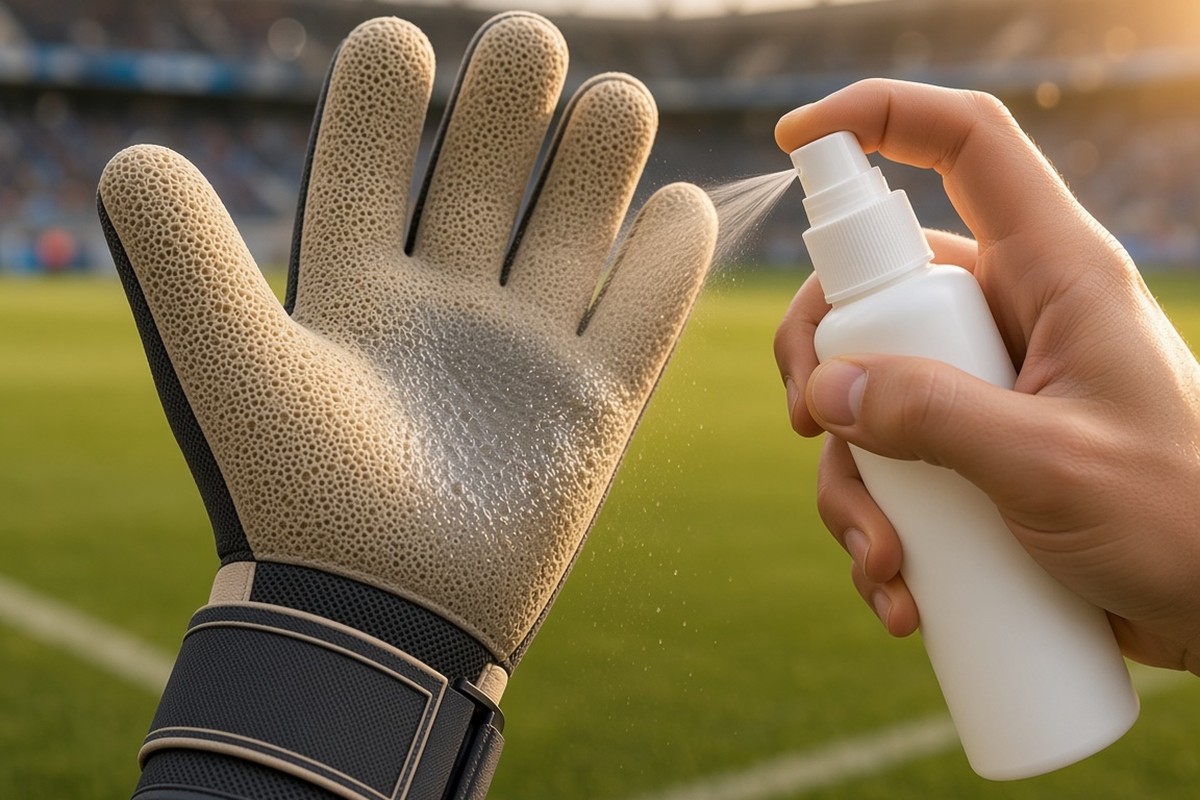
Why Grip Sprays Only Last a Few Minutes
A grip spray only lasts a few minutes because the film thins as soon as it is on. Water evaporates and tack picks up grit. The packed foam does not change. Wash, dry, and KEEPER BALM are the lasting care.
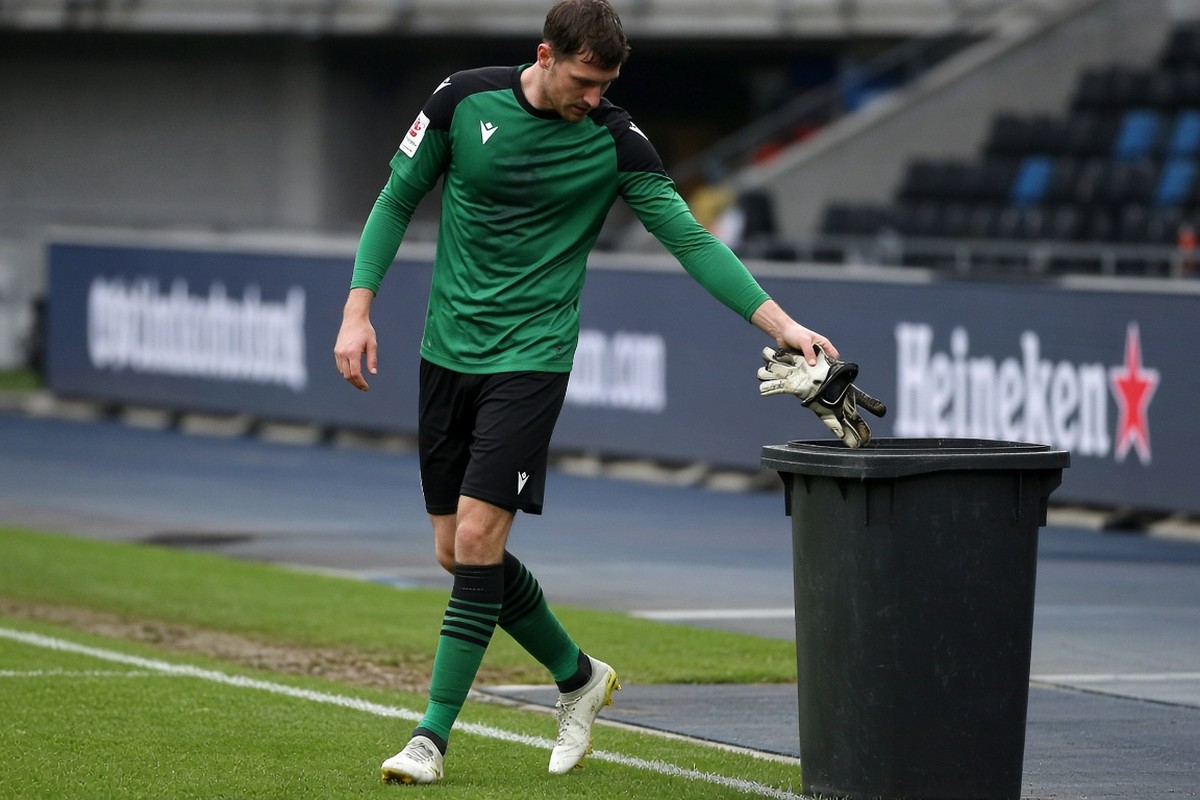
Why Pros Change Gloves at Half-Time
Forty-five minutes of sweat fills the micro-pores. When that moisture evaporates, salt stays and keeps drawing natural moisture out of the latex. A fresh pair resets suction. Spit is a short-term solution with long-term detrimental effects. Wash, air-dry, and apply KEEPER BALM.
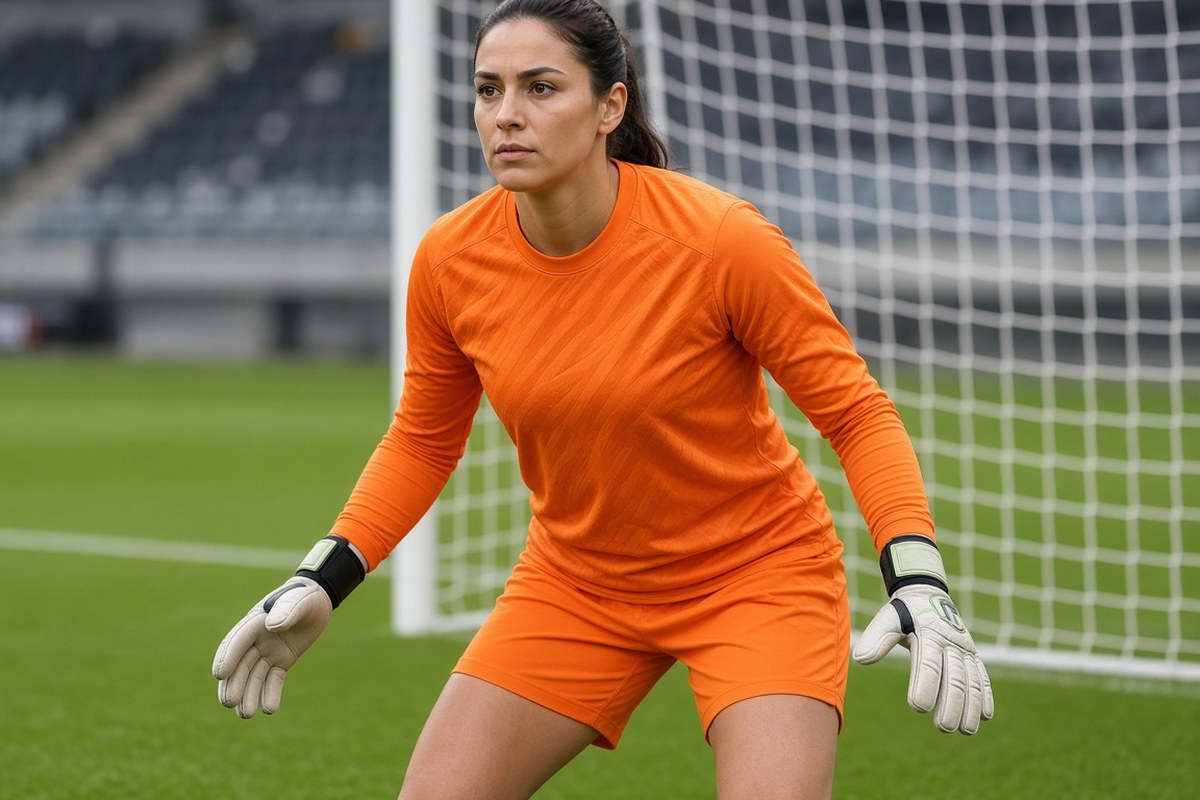
Women's Goalkeeping — How the Position Evolved Differently
Women's keepers inherited the same eight-yard goal after a later start: bans, amateur wages, and men's equipment first. The job then caught the men's game up — and in one FIFA award, went past it.
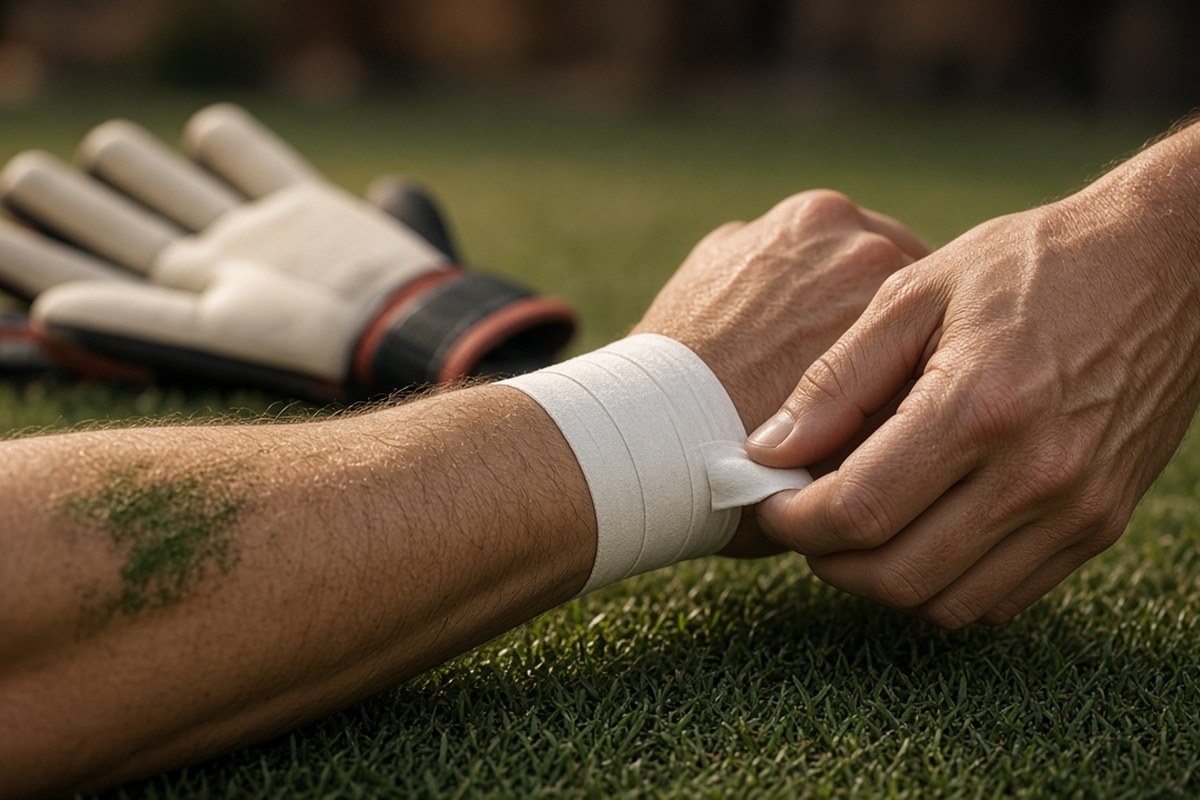
Wrist and Forearm Care for Goalkeepers
Wrists take the dive and the throw. Here is practical care for load, tape, and a quieter next session — and why foam care is still a different job.
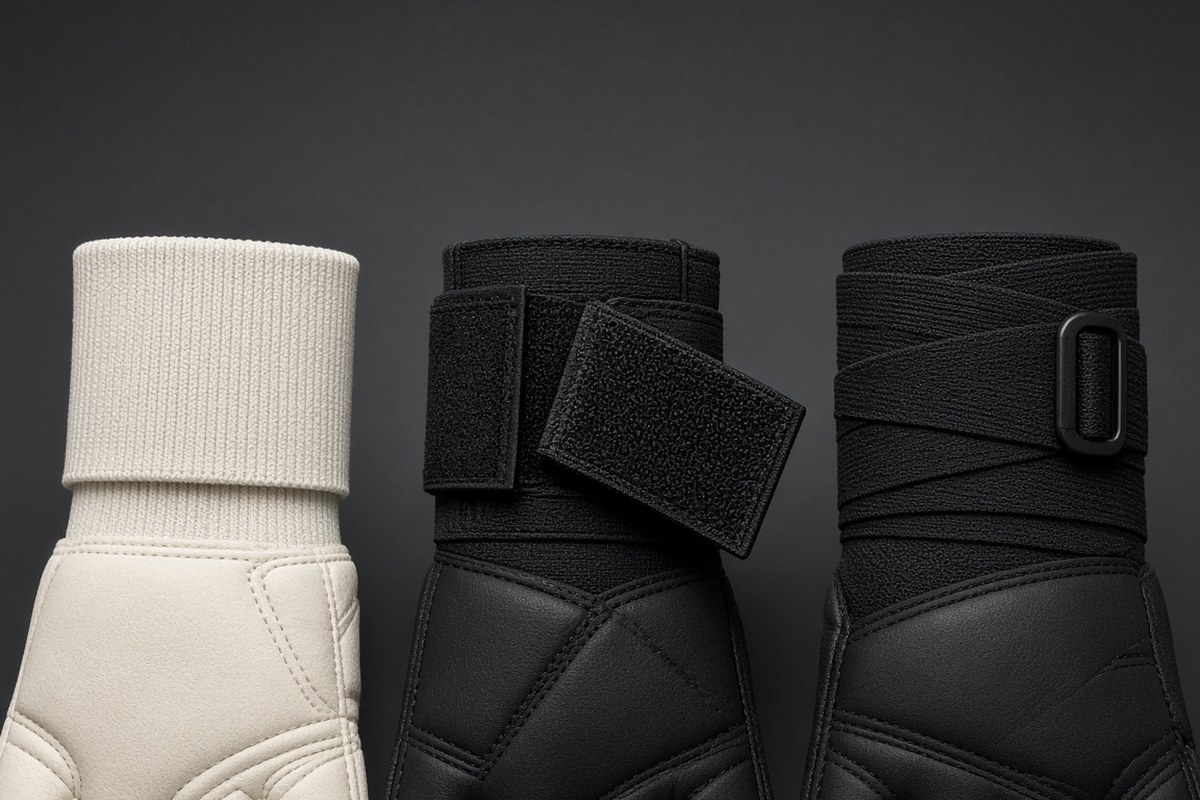
Wrist Closures — Elastic, Velcro, and Bandage
The wrist keeps the glove on so the palm foam stays on the ball. Elastic, Velcro, bandage wraps, and strapless cuffs are different answers to that job. A rotating glove never seals. Wash, air-dry, and apply KEEPER BALM to the foam.
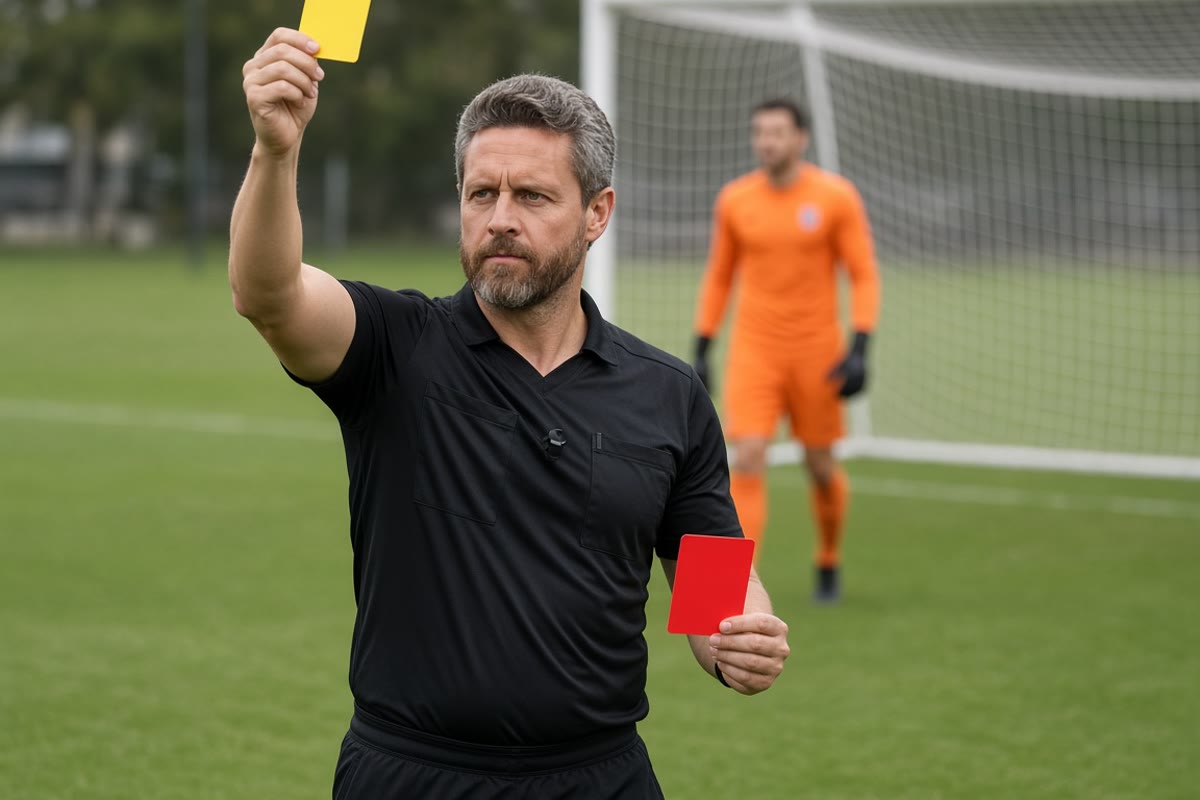
Yellow and Red Cards — How Discipline Rules Changed Keeper Behavior
Ken Aston's traffic-light cards arrived at the 1970 World Cup. The laws then named the last-man foul, the handling red, and the time-wasting limit — and keepers had to change how they took a risk.