THE KEEPER'S JOURNAL
Goalkeeper history, glove technology, training, and the science of grip.
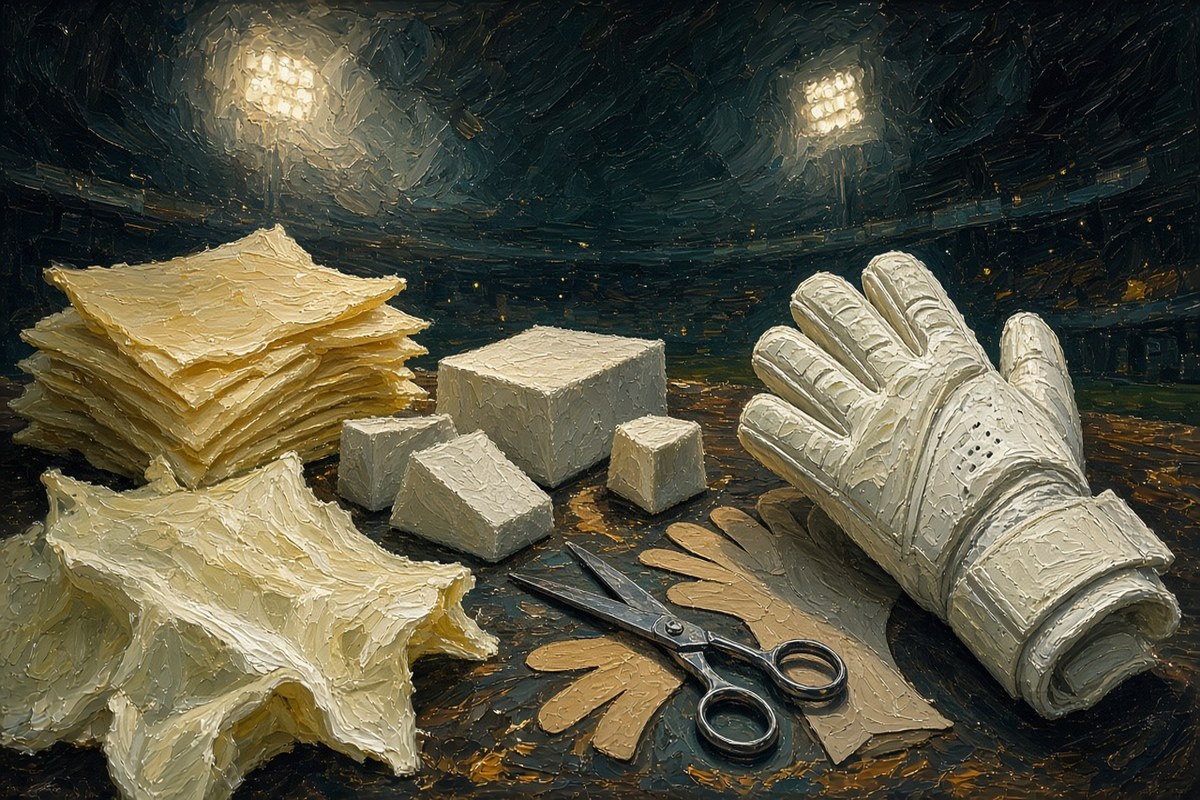
How Goalkeeper Gloves Are Made
A match glove is porous latex foam. Moisture fills the micro-pores, blocks air through the backside, and the foam sucks onto the ball. When it evaporates, sweat salt stays and keeps drawing natural moisture out of the latex. Wash, air-dry, and apply KEEPER BALM.
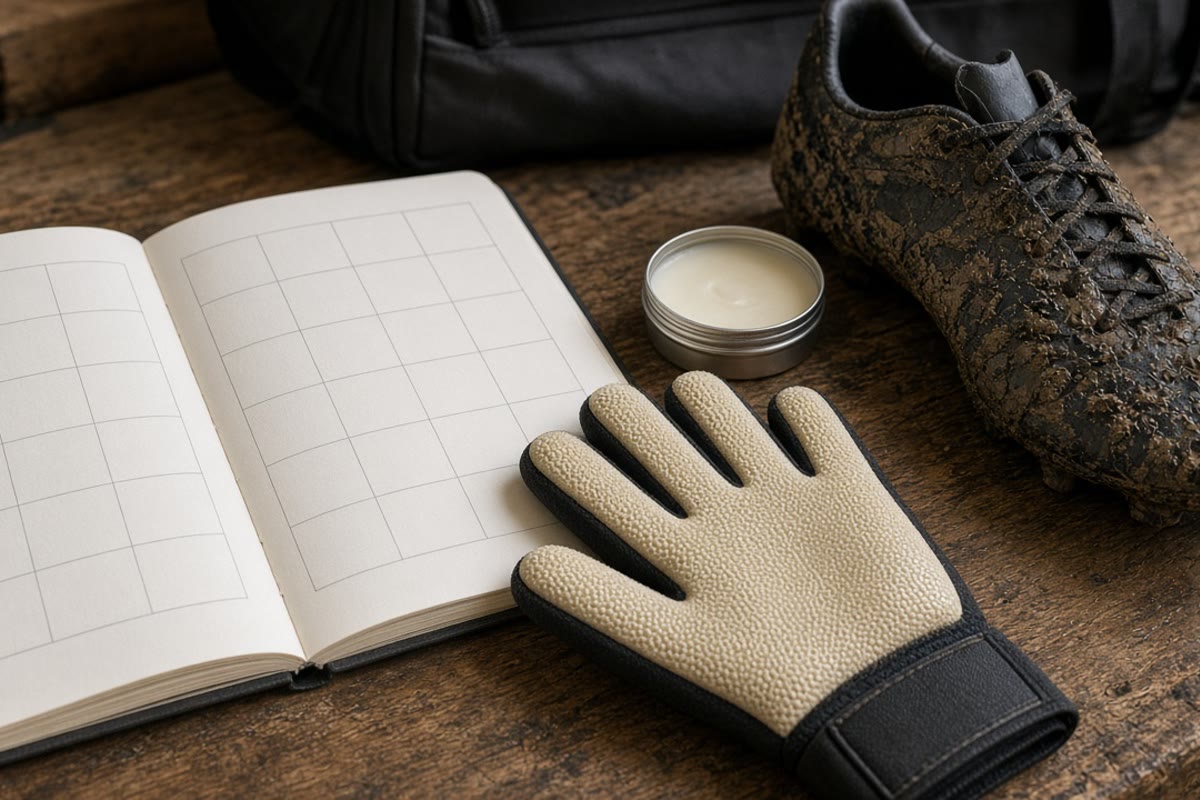
How KEEPER BALM Fits Goalkeeper Equipment Innovation
Cuts, grades, and straps filled the catalogue. The missing item was a compound of humectants that keep and restore moisture in the latex. Wash, air-dry, and apply KEEPER BALM.
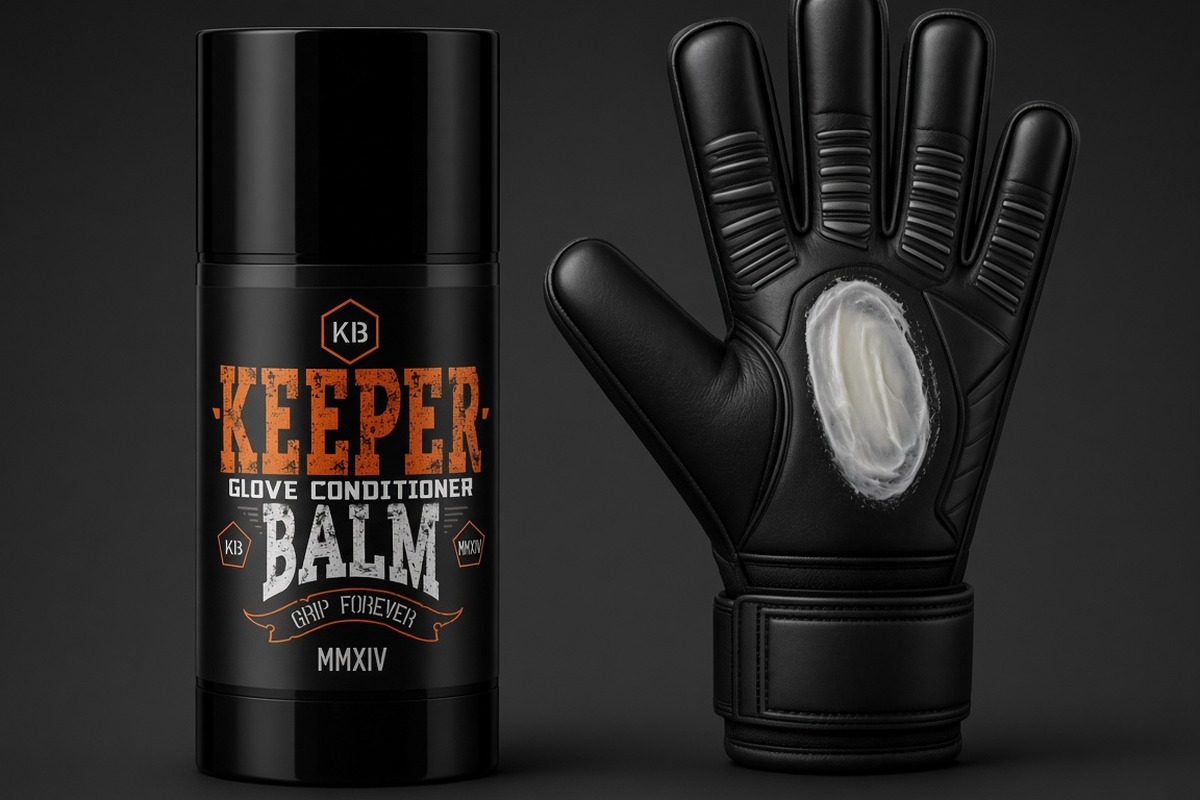
How KEEPER BALM Works — The Science of Foam Grip
KEEPER BALM is a compound of humectants that keep the natural moisture in the latex and restore the natural moisture to dried latex. Wash empties the pores. Air-dry lets the latex take the product. Apply keeps moisture in new foam and restores it to dried foam.
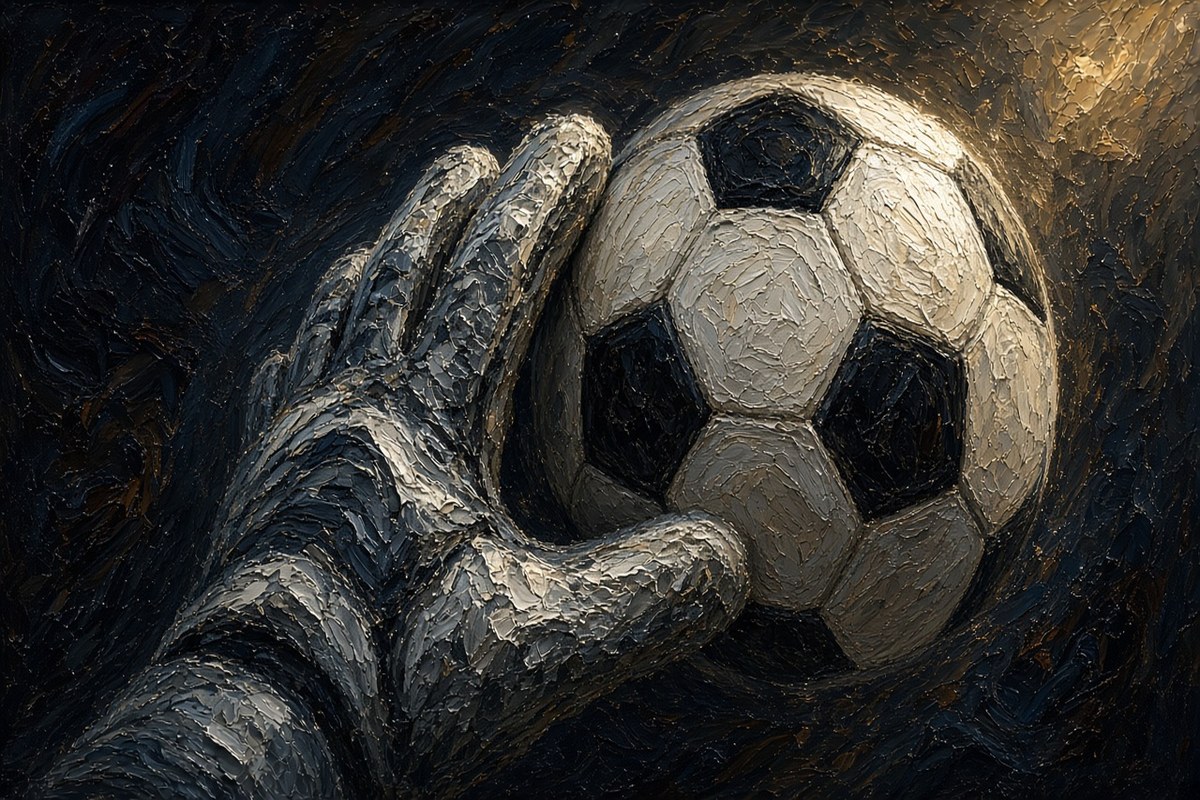
How Latex Foam Grips the Ball
Goalkeeper glove latex is a porous foam. Moisture seals those pores so the foam sucks onto the ball. That is real grip. Dirt, salt and a flooded pitch work against it. Wash, air-dry, and apply KEEPER BALM.

How Nutrition Science Changed Goalkeeper Longevity
Keepers used to eat like the rest of the squad, or worse. Clubs then hired nutritionists and treated the last line as a different load — explosive work, recovery meals, and a longer week, not a miracle diet.
How Pro Keepers Customize Match Gloves
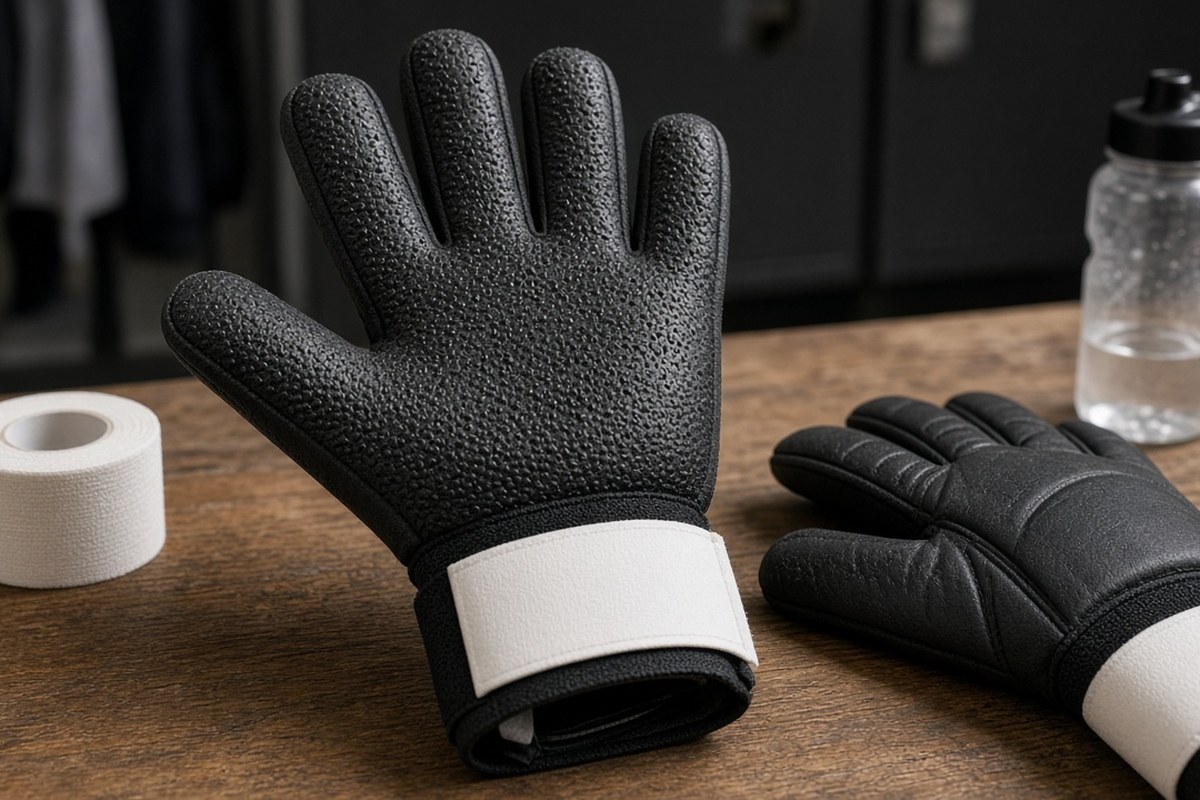
Pros specify cut, foam, cuff, and spines, then rotate pairs and wash what they keep. The print is logistics. The palm is still open-pore latex that has to seal on the ball. Wash, air-dry, and apply KEEPER BALM.
How Soft Foam Made Glove Care Part of the Kit
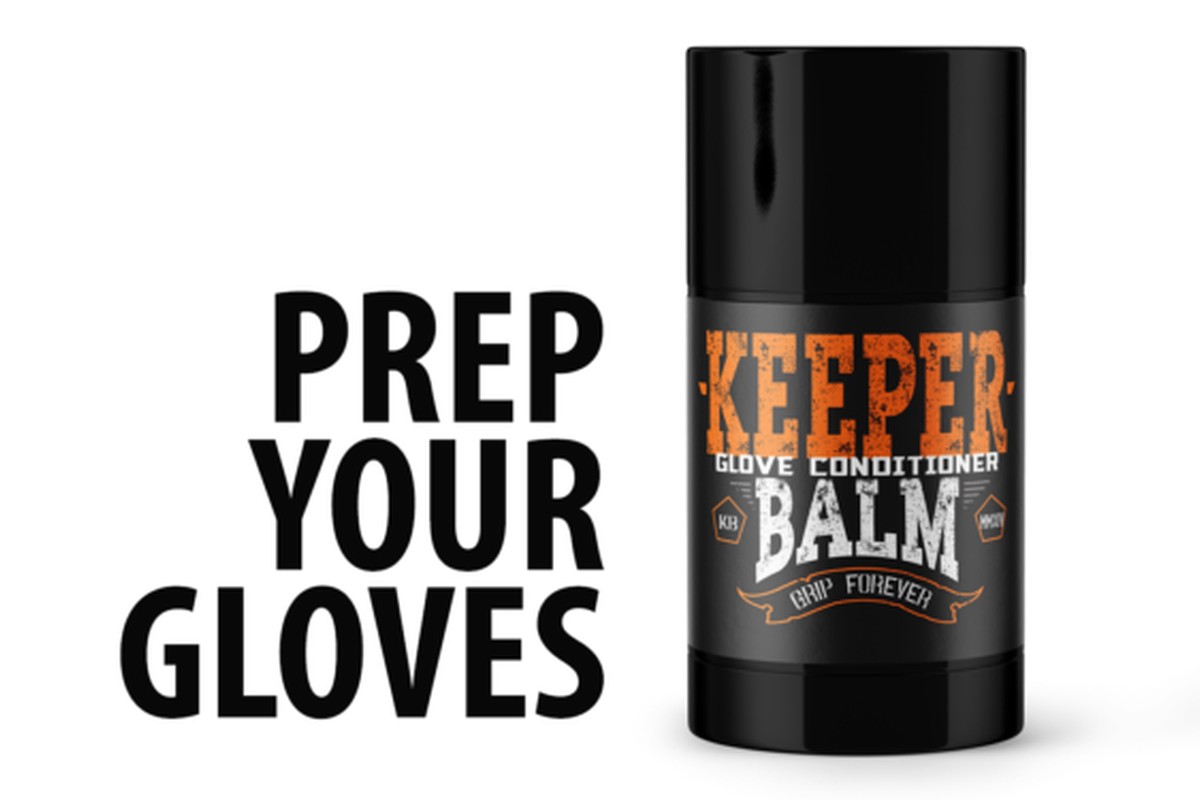
Soft foam made glove care part of the kit. People hear the word balm and think of lip balm. KEEPER BALM is a compound of organic, natural ingredients safer than most lip balms, made for grip maintenance on those foam palms.
How Sports Science Transformed Goalkeeper Training
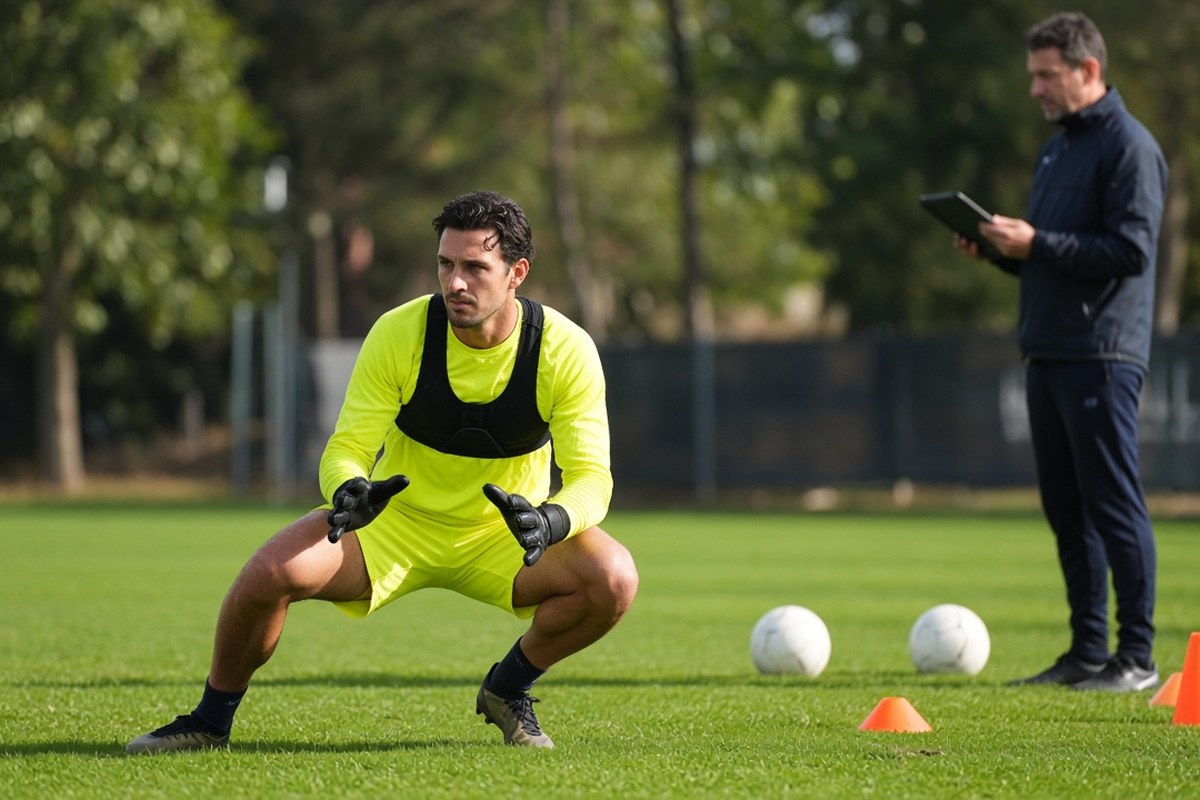
Keepers used to dive left, then right, on a separate pitch. Specialist coaches, video, and load data then pulled the position back into the team — the save still has to be trained, not only measured.
How Television Changed Goalkeeping — The Pressure of the Camera
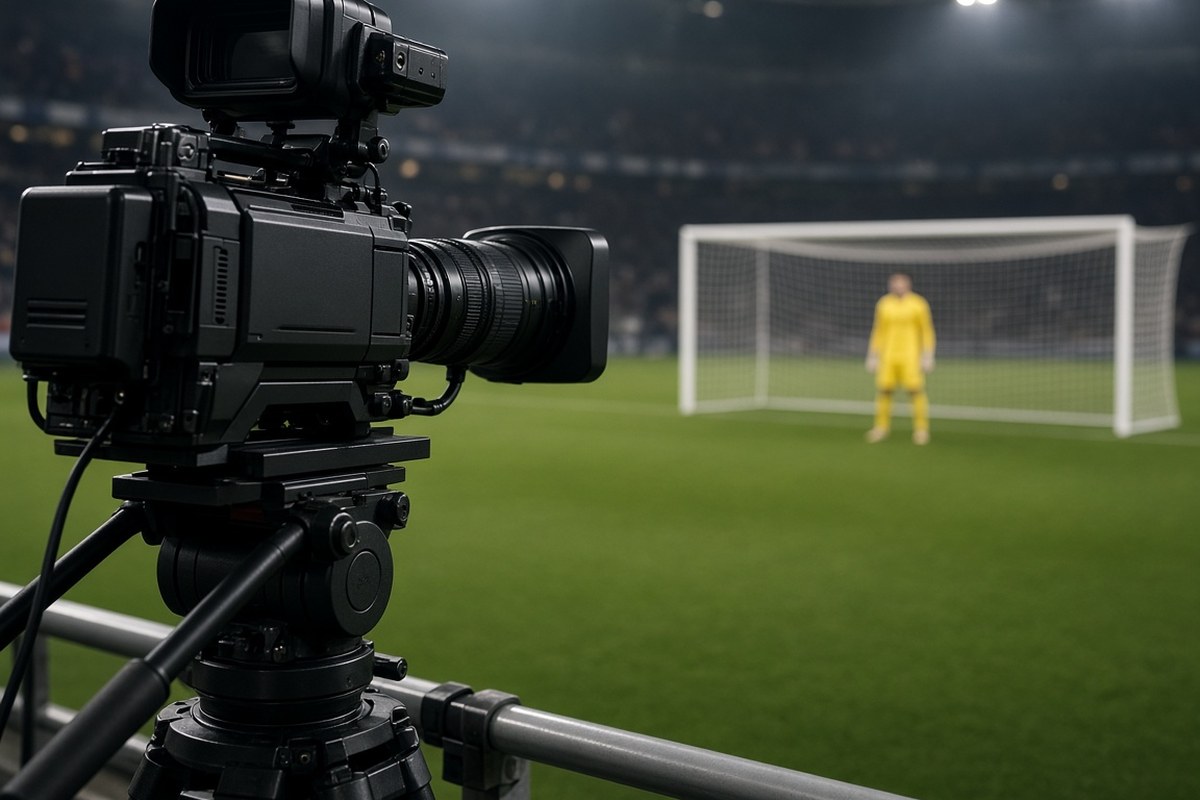
The first live football on television lasted fifteen minutes in 1937. Cameras then put every spill, stare, and nickname on a replay — the save did not change, the audience for the mistake did.