How Nutrition Science Changed Goalkeeper Longevity
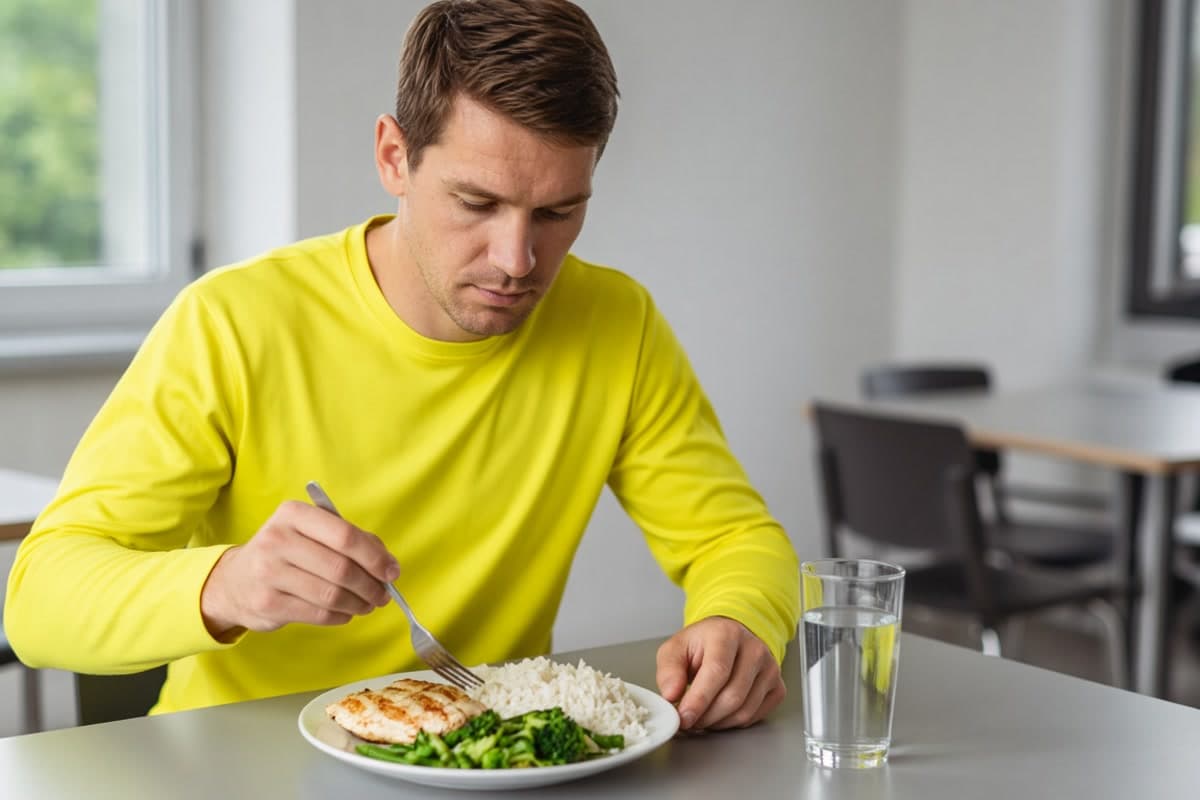
A goalkeeper used to be told he did not run, so he did not need a plate. Then clubs started feeding the last line like a job.
This is not a diet plan and it is not medical advice. Nobody's steak, supplement, or "keeper shake" is a proven way to add years. What changed is simpler. Sports science gave clubs a nutritionist, a weigh-in, and a recovery meal. Keepers, who live on short explosive actions rather than a midfielder's ten kilometres, finally got a week that matched that load. Some of them then played into their late thirties and forties — Zoff lifting a World Cup at 40, Buffon still starting in Serie A past 40 — because the whole week got more honest, not because a powder invented a career.
Here is what actually arrived, why the last line needed its own plate, and what to do with habits that cost little and do not pretend to be a clinic. This is not a training-load or GPS page. How sports science changed the session has its own article. What follows is food and drink around the session.
From the shared table to a named job
For most of the professional era the keeper ate what the squad ate, or whatever was left after a night out. English clubs in the 1970s and 1980s still treated a pre-match meal as a habit, not a plan. When Arsène Wenger arrived at Arsenal in 1996 the papers made a fuss about diet because the fuss was new: fewer late drinks, more attention to what went on the plate, a club willing to hire people whose only job was food. Other sides copied the staff. A Premier League or Serie A keeper in the 2000s could meet a nutritionist. A Sunday keeper still packed whatever was in the fridge.
The science that followed did not invent a keeper-only menu. Reviews of soccer nutrition — the kind collected in journals such as Nutrients — talk about carbohydrate around matches, protein after hard work, and fluid so a player is not dry at the first whistle. Keepers sit on the same list with a different volume. They do not cover the outfield distance. They do repeat dives, landings, and a long wait in the heat. Dehydration still slows a decision. A heavy meal still sits wrong at 3 p.m. The useful change was permission to treat those facts as a plan, not as toughness.
Longevity stories get attached to the plate after the fact. Dino Zoff was 40 in Madrid in 1982. Gianluigi Buffon played at the top into his forties. Peter Shilton's England career ran to 1990. Those pages already exist. None of them is a randomised trial of breakfast. A 2020 paper in the International Journal of Environmental Research and Public Health even found that elite keepers from the early World Cups and 1940s leagues lived several years longer than outfield players from the same cohorts. The authors pointed at a different physical load, not at a modern nutrition department. Treat that as history, not as a promise that rice will add a decade.
What keepers learned: the plate did not become magic. The week became organised. A keeper who can still move at 38 usually had sleep, a session he could repeat, and food that did not fight him — not a secret supplement.
What the last line actually needed
A meal that matches the day. Match day is not a midfield shift. You still need enough carbohydrate to think and to repeat a dive. You do not need to copy a box-to-box plate "because that is what the lads eat." Club nutritionists periodise. Sunday sides can be plainer: eat on a schedule you have already tested.
Fluid that starts before the warm-up. Keepers stand in the sun and then explode. A dry mouth in the 80th minute is a late step. Water through the morning is the cheap habit. Electrolyte talk belongs to a club or a pharmacist, not to a blog.
Recovery after the landing. Diving and claiming are impact work. A protein-containing meal after a heavy session is the ordinary sports-science line, not a medical claim. Sleep does more than any powder. Our sports-science page covers the load. This page is the meal that lets you take the next one.
The long career is a week, not a birthday. Zoff and Buffon had positioning, a club that still picked them, and bodies that had not been wrecked by a calendar they could not refuse. Nutrition is one brick. It is not the wall.
What the science did not do: prove that a keeper must eat less carbohydrate than a midfielder, or that collagen, creatine, or any named product extends a career. Those are marketing sentences. If a club dietitian puts something on your plan, that is their job. This article will not.
What keepers learned: steal the schedule, not the shop. Eat, drink, sleep, then train. The rest is optional.
Why the palm still has a job
A clean plate does not catch the ball. You do.
Soft latex helps a stretched hand hold a shot that arrives late and low. Dried or salty foam turns that hold into a spill — and a spill after you did everything right with breakfast is still a goal. If the high-quality foam is still there, wash, dry, and apply KEEPER BALM. That conditions new foam and restores dried, salty latex. Pros use it too. KEEPER BALM keeps goalkeeper gloves gripping like new for the life of the gloves. Replace the pair when the foam is worn through or torn. KEEPER BALM is for foam palms that can still take grip maintenance. If a goalkeeper cannot use KEEPER BALM because of the condition of their glove palms, then Glove Glu is an option. Replace the pair when that is the right call.
A nutritionist does not restore tack. Wash the pair you have.
What to do with the information
Test the match-day plate in training. Do not debut a new breakfast on a Saturday you care about. The useful habit is the one you already know sits well.
Drink before you feel thirsty on a warm day. Then keep a bottle on the post or the bench. This is not a medical protocol. It is how you avoid a late cramp you could have seen coming.
Eat something with protein after a diving session. Ordinary food is enough for most weeks. Leave supplements to a qualified person if you have one.
Do not treat a long career as a shopping list. Zoff's 40th year was positioning and a side that still trusted him. Look after sleep, the session, and the palm. Wash, dry, and apply KEEPER BALM when the foam is dry or light-damaged.
Sunday pitches without a nutritionist still exist. The law of the goal did not change for those games. Eight yards, a ball, a palm. You are still the person who has to hold it.
The bottom line
Nutrition science did not invent a keeper who never ages. It gave clubs a staff member who could match food and fluid to a job that is explosive, stop-start, and long. Wenger-era attention to the plate, then a generation of club dietitians, made a 38-year-old last line look normal. The save did not become easier. The week around it became less accidental.
The keeper's job did not become a menu. It became a week you can repeat. Eat on a schedule. Drink before the warm-up. Then treat the palm like the tool that week still hits: wash, dry, and apply KEEPER BALM. It keeps goalkeeper gloves gripping like new for the life of the gloves. Pros use it too. Replace the pair when the latex is worn through or torn — not when a meal plan promised a career the foam had already finished.