THE KEEPER'S JOURNAL
Goalkeeper history, glove technology, training, and the science of grip.
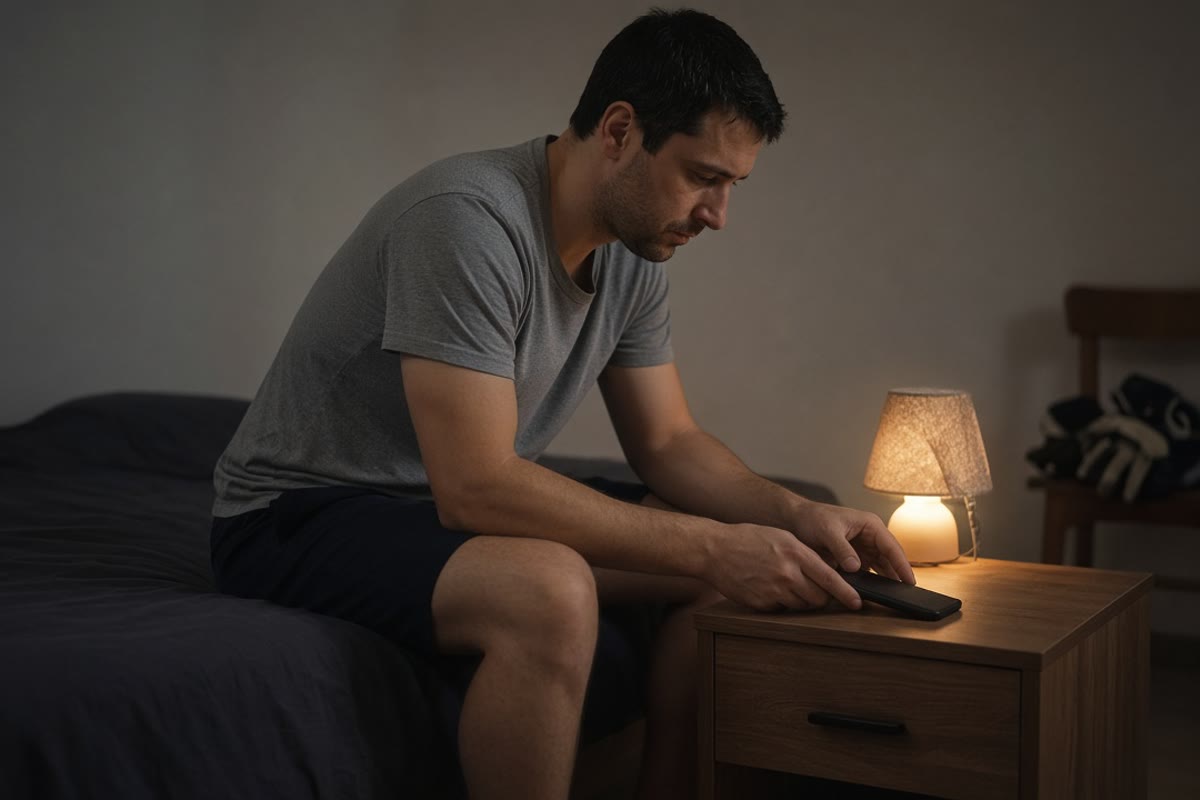
The Importance of Sleep for Goalkeeper Performance
A late first step often started the night before. Here are practical sleep habits for keepers — a regular window, a quieter night before a match — not a miracle and not a clinic.
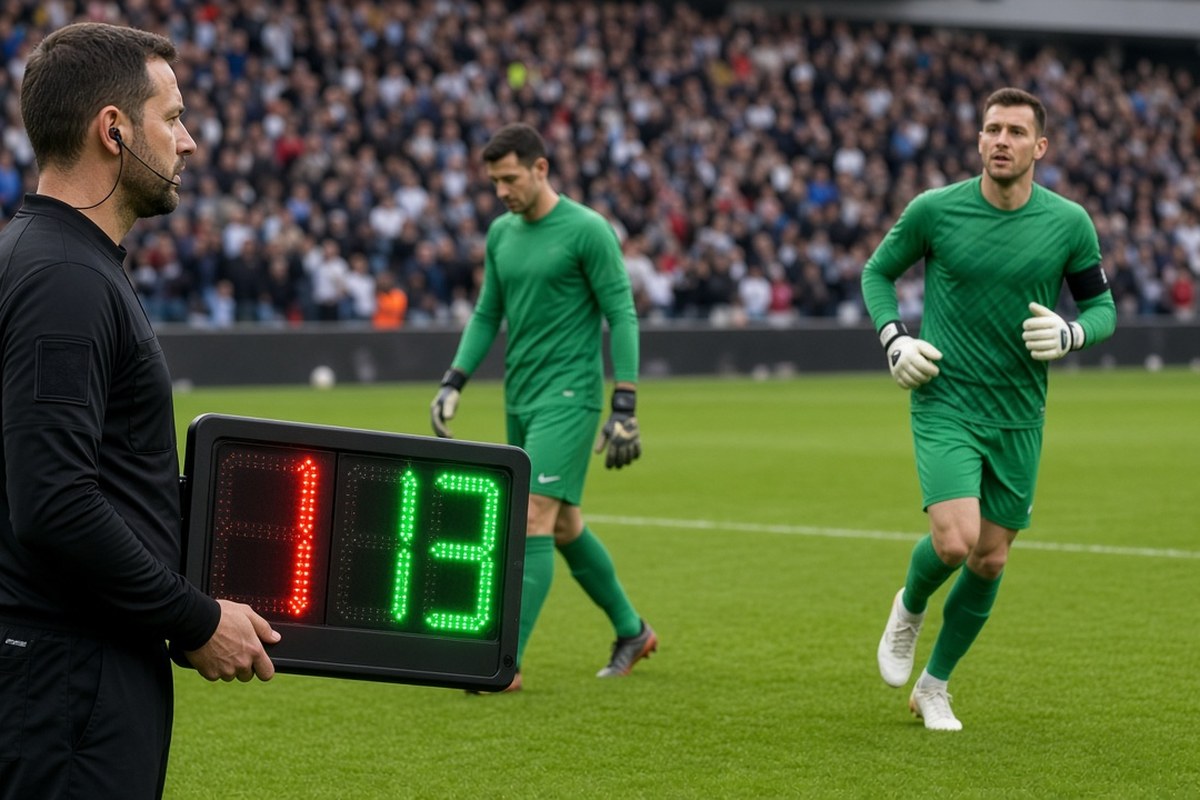
The Introduction of Substitutes and What It Meant for Injured Keepers
For a century an injured keeper stayed on or an outfield teammate went in goal. The laws then allowed a replacement — first for injury, then for tactics — and the last line finally had a way off the pitch.
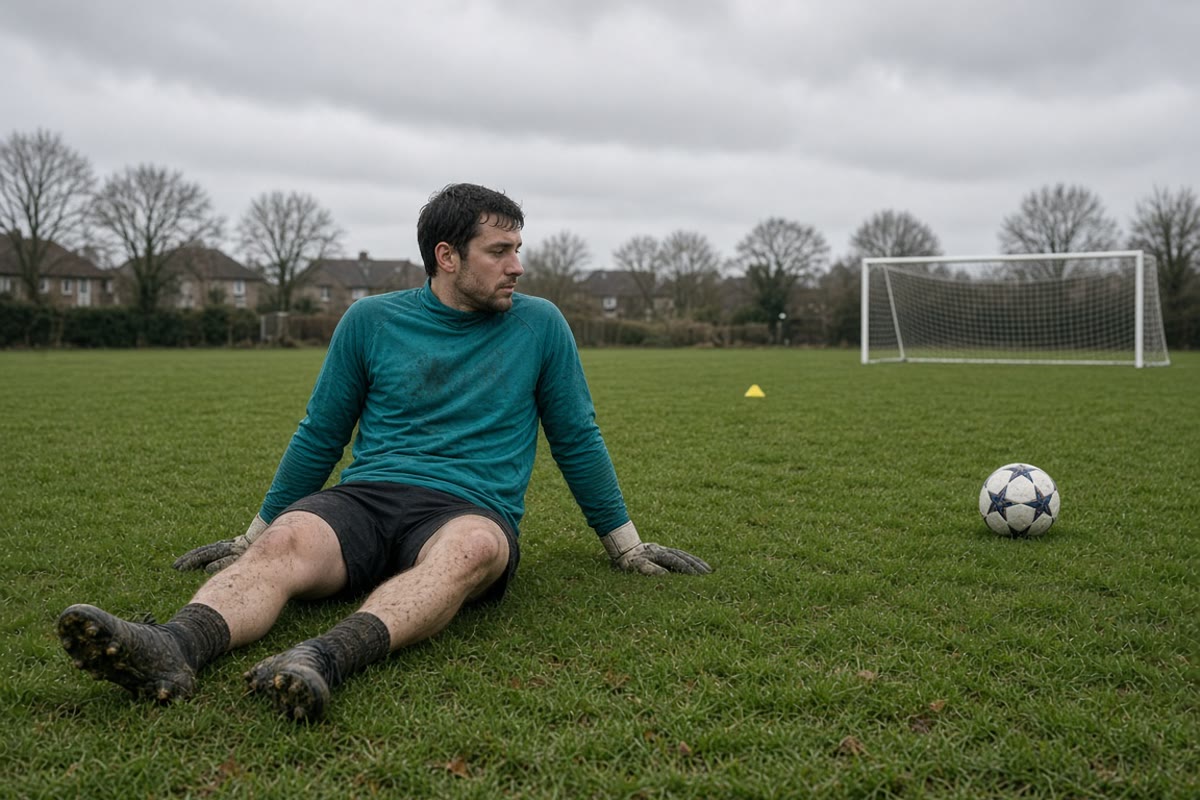
The Mental Side of Goalkeeping: Building Confidence After Mistakes
A mistake is one contact. Here is what to do in the next minute, the next session, and the week after. It is a reset you can run, not a diagnosis.
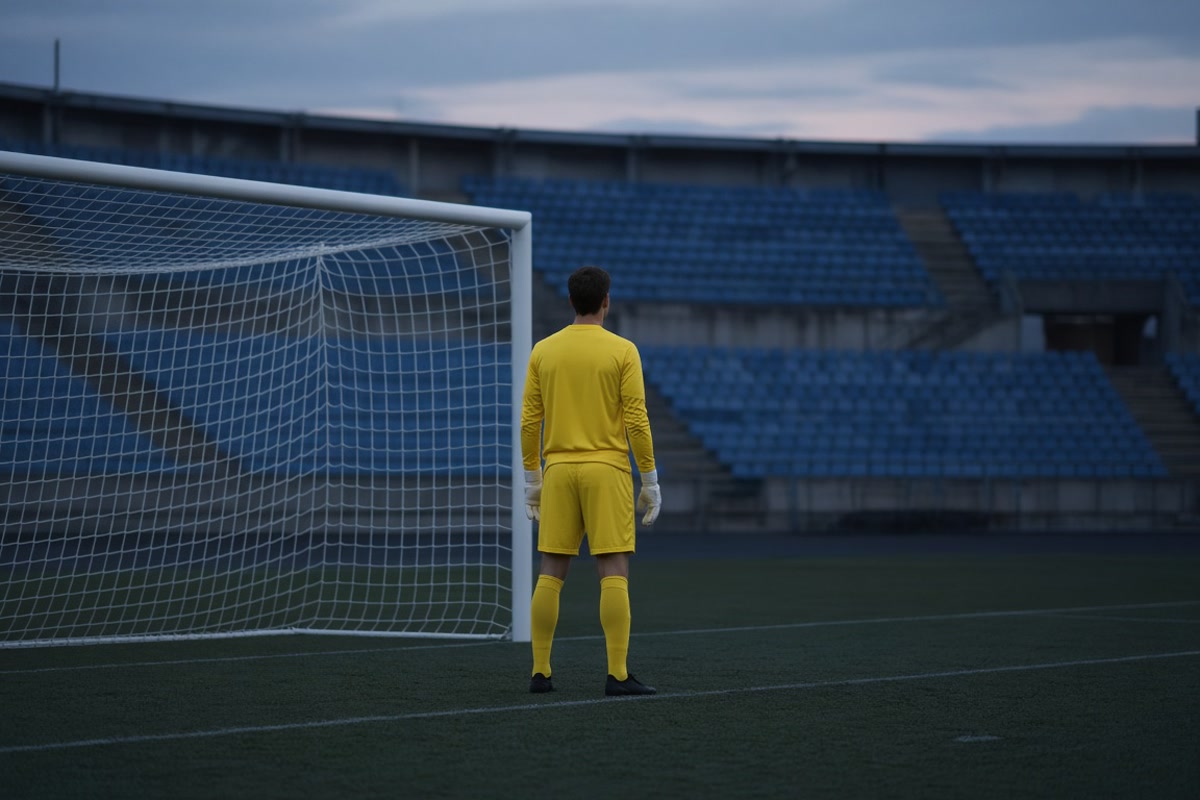
The Psychology of Goalkeeping — Mental Health and the Loneliest Position
The last line wears a different shirt and lives with a mistake the whole ground saw. Unions then started measuring that week — talk, welfare, and a next action, not a diagnosis from the stands.
The Rise of the Goalkeeper Union and Player Rights
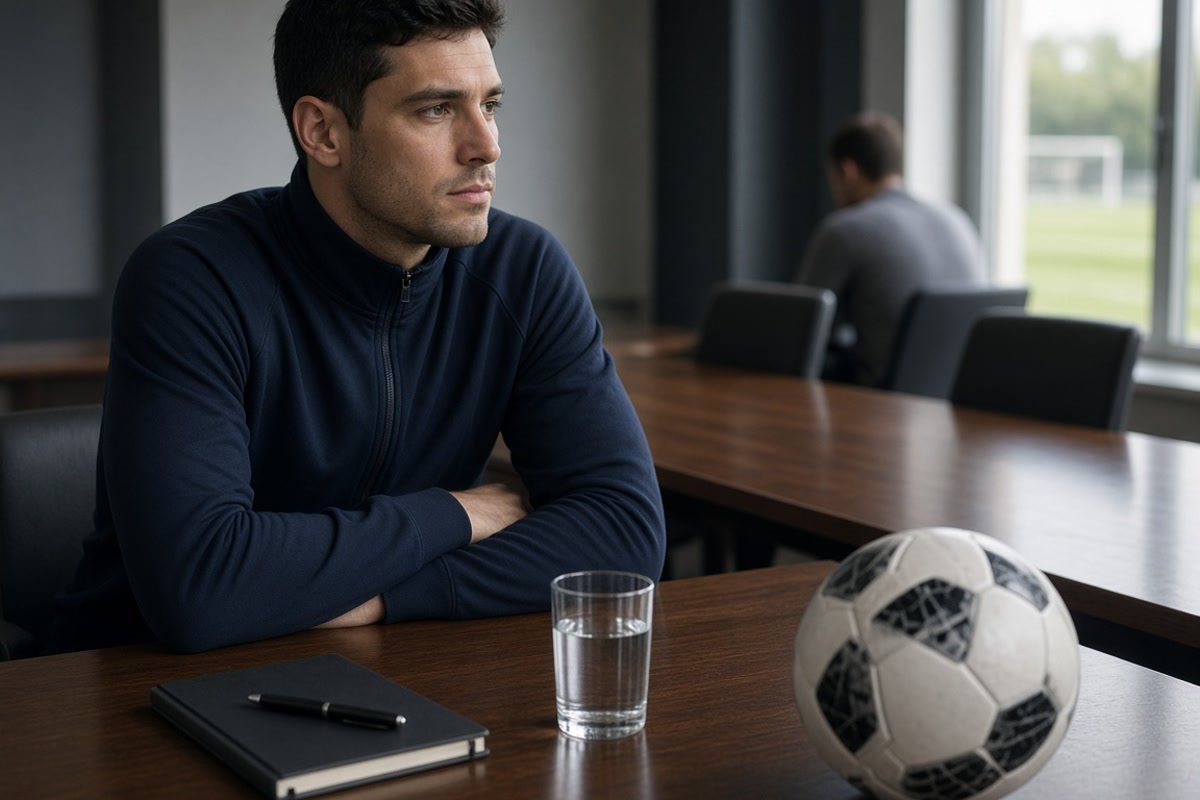
Keepers sat inside the player unions from the start. The PFA, FIFPro, and the Bosman ruling then changed the week around the last line — pay, movement, and a say in the rules that hit the goal.
The Role of a Goalkeeper Coach — What to Look For
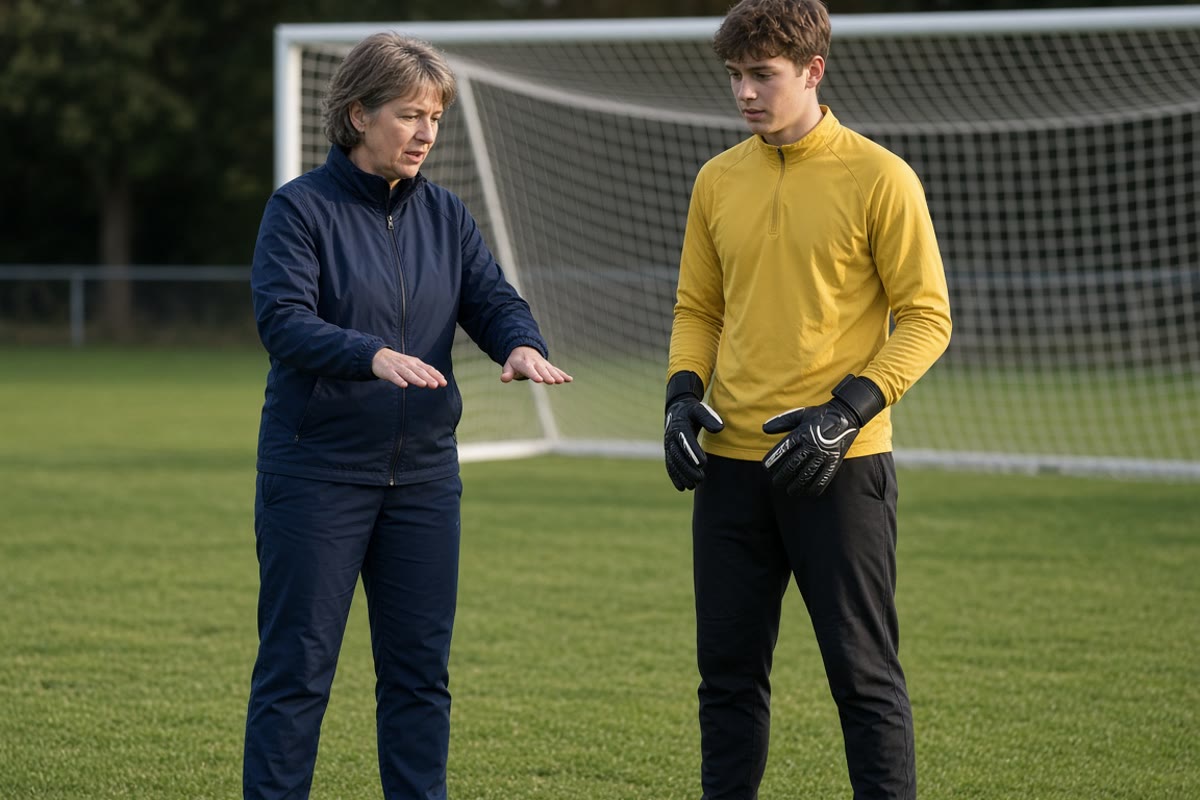
A good goalkeeper coach owns the week, not just the extra shot. Here is what that person actually does — and how to choose one — not a history of the job title.
The Sweeper-Keeper — How Goalkeepers Became Outfield Players
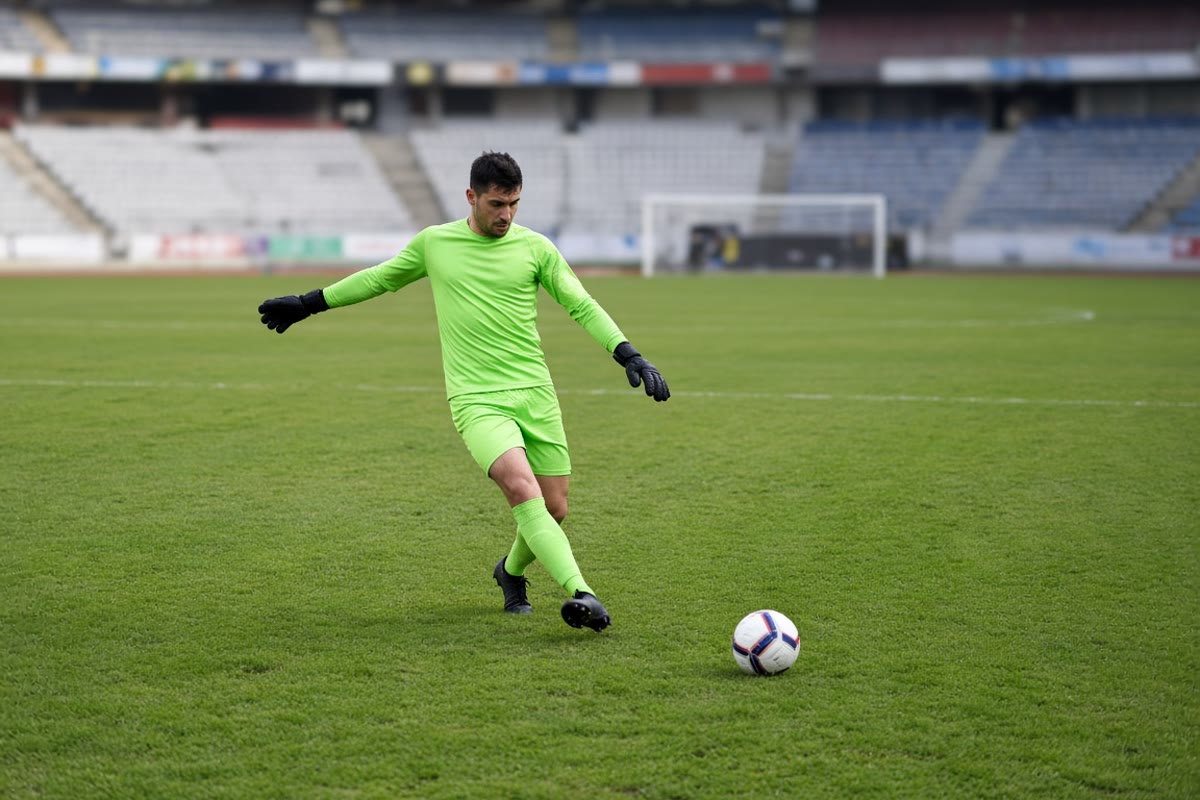
Gyula Grosics left his line for Hungary in the 1950s. The back-pass law then forced every keeper onto their feet — the sweeper-keeper is that long habit, not one modern biography.
Thin Gloves vs Padded Gloves
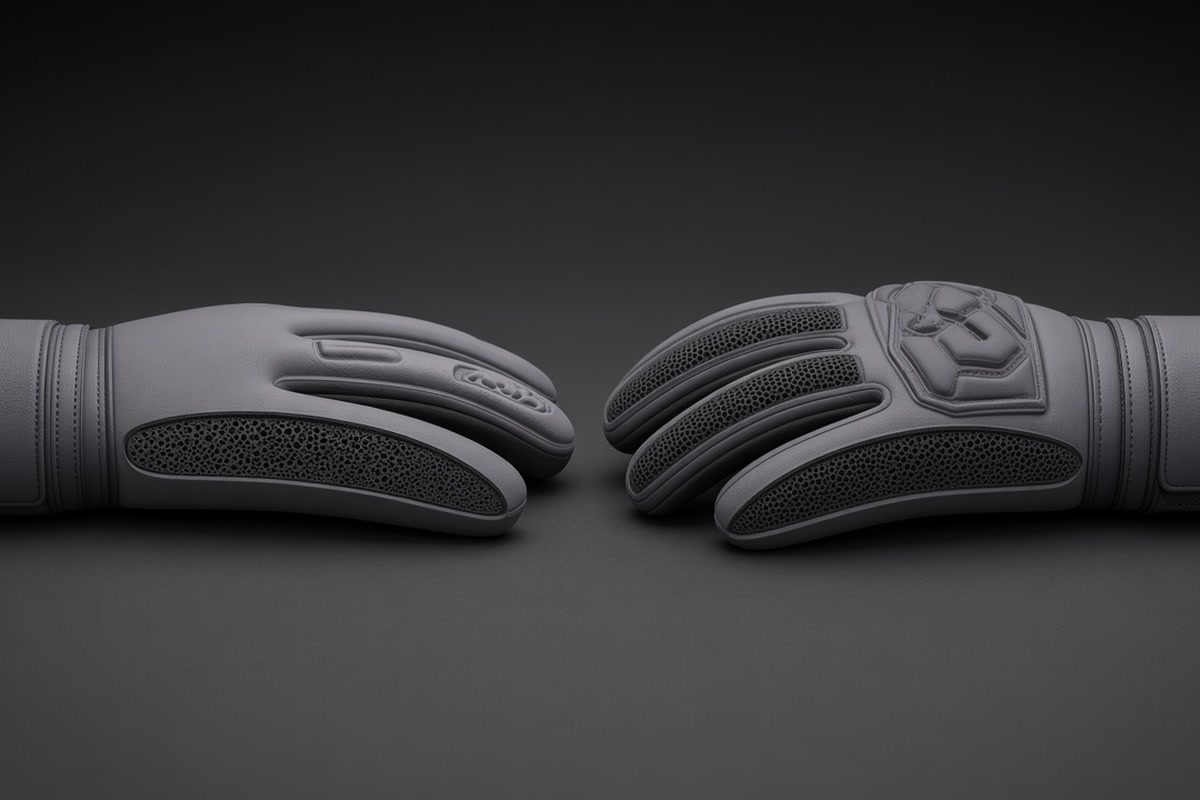
A thin glove is less backhand bulk and fewer spines, sometimes a slimmer palm. You feel the ball sooner. You also take more sting, and there is less foam before the backing shows. Grip is still whether the pores can seal. Wash, air-dry, and apply KEEPER BALM.
Training in Different Weather Conditions — Adapting Your Game
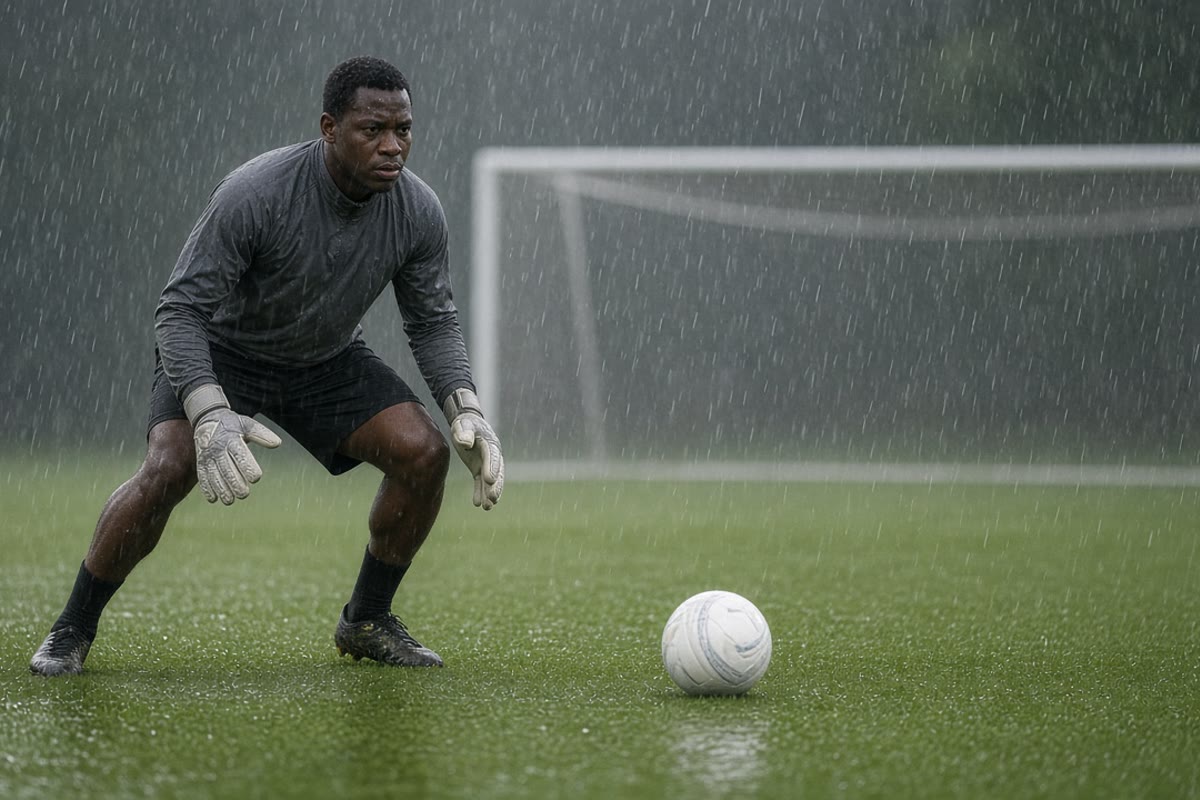
Rain, heat, cold, and wind change the ball and the session. Here is how to adapt the week and the match — not a glove-shop essay, and not medical advice.