The Importance of Sleep for Goalkeeper Performance
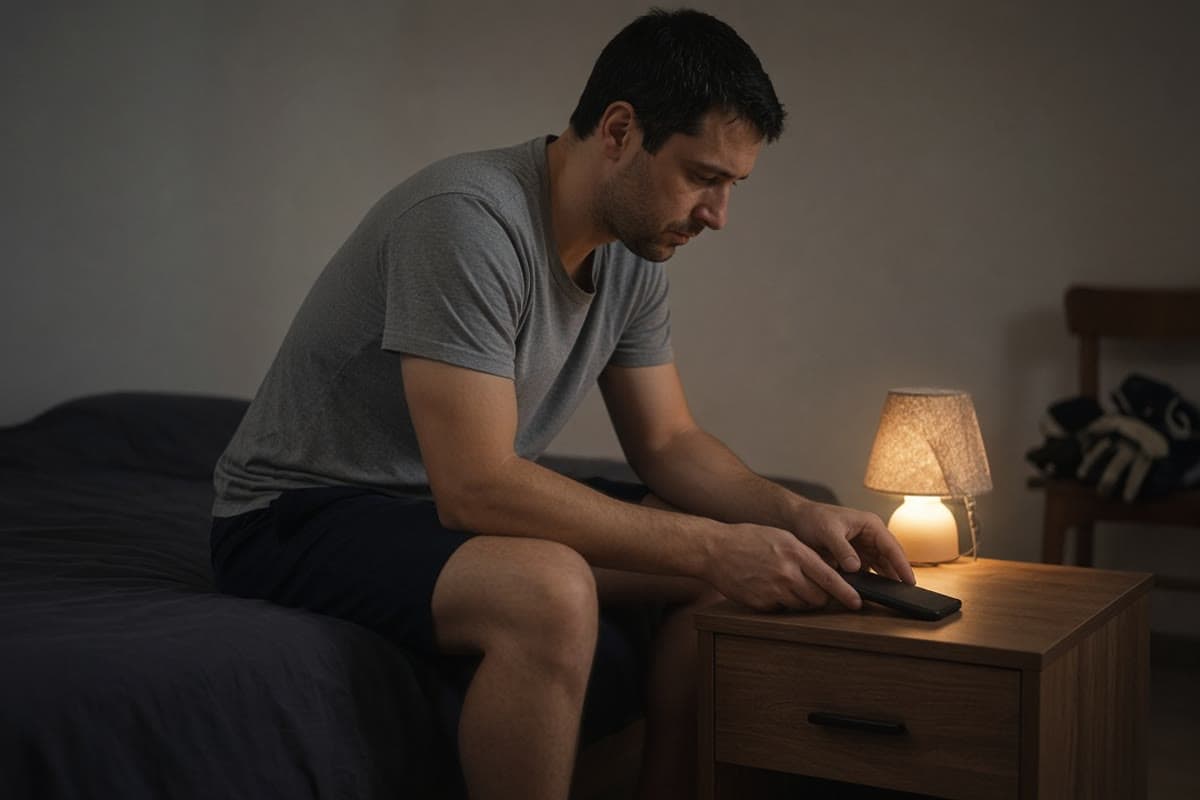
A keeper who "trained hard" on five hours looks late on Saturday. That is not a mystery. That is a night you spent somewhere else.
Sleep is the cheap habit that actually moves the needle for this job. You wait, then you explode, then you land. A tired brain is slow on the through ball. A tired hip is sloppy on the landing. This page is practical: what short sleep does to the week, what to do that costs little, and when to stop treating a broken month as toughness. It is not medical advice. It will not cure insomnia. It will not add a yard to your dive by magic. Nobody's wearable, spray, or "keeper sleep stack" is a proven way to invent rest. If sleep is broken for weeks — not one bad night after a howler — that belongs to a clinician or a welfare conversation, not to a shop.
Our recovery page is the wider week: landings, load, a bit of soft tissue. Nutrition is the plate. Confidence is the loop after a mistake. This page is the hours that let those pages stick.
What actually happens when the night is short
You do not need a laboratory to see it. You have lived it.
Decisions arrive late. The through ball still needs a yes or a no. Short sleep makes the yes late and the no messy. You stay when you should come. You come when you should stay. That is not a character flaw. It is a brain that did not get the cheap recovery.
The explosion looks heavier. A dive, a claim, a throw — they are fast. Fast work done tired looks like effort without arrival. You still jump. You land worse. Then Tuesday's session becomes another landing you did not plan. Recovery already said count the contacts. Sleep is how those contacts stay a choice.
The loop gets louder. A howler at 3 p.m. plus a phone until 1 a.m. is two shifts. The confidence page said stop the video. This page is why that advice fails if the lights are still on. You cannot reset a mistake you are still watching.
The week stacks. Friday night out, Saturday 3 p.m., Sunday "recovery" that is another alarm. Keepers stand in the sun and then sprint. A dry, tired last line in the 80th minute is a late step you could have seen coming on Thursday.
What keepers learned: sleep is not a spa. It is permission to treat Saturday as a session that started the night before.
Habits that cost little
Steal the schedule. Leave the miracle.
A regular window beats a heroic lie-in. Most adults do better with the same-ish bedtime than with four hours, then twelve, then a speech about discipline. Keep Friday close to Thursday if you play on Saturday. You will not always manage it. The useful version is "closer," not "perfect."
Put the phone down. The clip of the spill will still be there in the morning. The welfare page is the door if the night will not leave. This page is narrower: the screen is a second floodlight in a job that already has enough of them. Charge it in another room if you have to.
Make the room boring. Darker. Quieter. Cooler if you can. You do not need a boutique mattress review. You need fewer reasons to stay awake. Caffeine late in the day is a Saturday problem that started at 4 p.m. Alcohol as "I need to switch off" is how a lot of keepers meet the first cross uncomfortable. This is not a lecture. It is a pattern.
Match day is not the night to debut a system. If you have never gone to bed at nine, do not start the night before a final. Test the evening the same way you test a breakfast. The diet page already said that about the plate. The night works the same.
Travel is a week, not a hack. Evening kick-offs, away coaches, a hotel that faces a main road — you will sleep worse sometimes. Do the ordinary things you already know: the same wind-down, the same light snack if you need it, the same refusal to start a new series at midnight. Leave the jet-lag protocol to a club if you have one.
What this page will not do: prescribe a sleep drug, sell melatonin, promise that eight hours makes you elite, or claim a night's rest prevents injury. Rest helps you train. It does not make you injury-proof.
When to stop guessing
A bad night after a defeat is ordinary. A month of broken sleep is work that needs a person.
Find a qualified clinician — GP, sports doctor, a professional whose job is sleep or care — if any of this is true:
- Sleep has been broken for weeks, not for one ugly Saturday.
- You cannot stay awake in the afternoon, or you cannot wind down at all.
- Pain, breathing, or a mood that will not lift is part of the night. This article will not diagnose that.
- Youth keepers in your care who are doing adult volumes and adult bedtimes on school nights.
A coach can change the session. A clinician can look at the night. Do not buy a supplement because a video said it was "natural recovery."
What to do with the information
Write the night next to the session. Match. One hard block. Easy day. Off. If the hard block sits after four hours, move it or cut it. That is the same notebook as recovery.
Keep a three-line wind-down. Lights down. Phone away. Same order. Use it after the next ugly goal. You will have another one.
Cross the recovery page, then stop collecting tabs. Sleep, landings, a walk. You do not need a fourth essay on ice baths.
Sunday pitches without a sleep scientist still exist. A regular bedtime and a parent who will not replay the howler at midnight still work.
The bottom line
Sleep for keepers is a regular window, a quieter night before a match, and the humility to treat a broken month as a care problem. It is not medical advice and it is not a miracle. Protect the hours. Put the phone down. Ask a clinician if the night has been wrong for weeks.
The keeper's job did not become a wellness brand. It became a brain that can still decide, and a body that can still land. Rest on purpose. Then take the next contact on Saturday like a person who actually slept.