If Goalkeeper Gloves Needed Water, They Would Arrive Wet
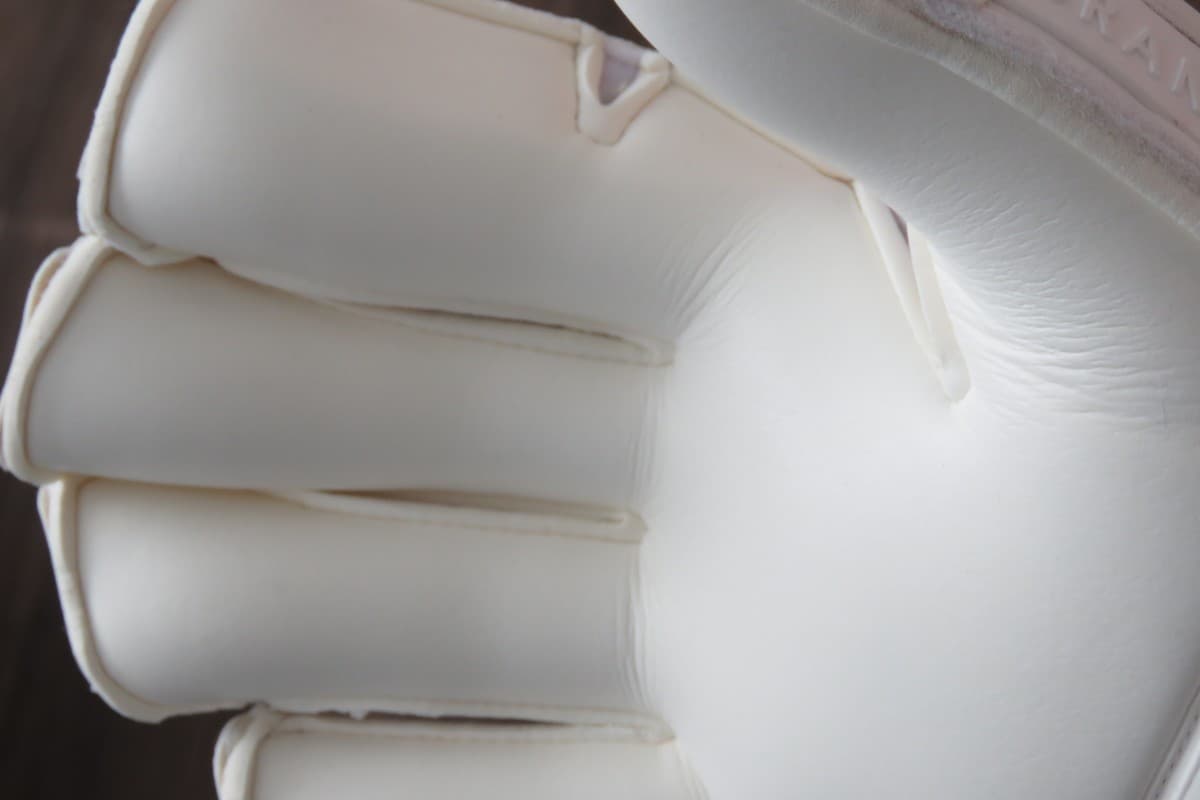
If goalkeeper gloves needed water, they would arrive wet. Manufacturers ship them dry on purpose. A wet palm can seal the foam for a few minutes. Lasting grip is the natural moisture already in the latex, kept there when you wash, air-dry, and apply KEEPER BALM.
Why factories ship gloves dry
Modern palms are latex foam, usually about three to four millimeters of dense microcell. Those cells hold a little moisture from manufacture. That moisture is inside the foam. It is not water sitting on the palm.
A factory ships that pair dry because wet latex is a storage problem. Water in a sealed carton starts to smell, packs any grit already on the palm, and leaves the foam heavy. Heat in a warehouse or a shipping container then pulls moisture out of a wet pair faster than it would from a dry one, so the palm can arrive glazed. Dry gloves stay usable on a shelf. Wet gloves start to dry out and glaze before you open the bag.
Factories ship gloves dry because dry foam stores and lasts. Lasting grip is not a soaked palm leaving the plant.
What water does for a few minutes
A little clean water on dry foam seals the micro-pores. Water fills those pores, air cannot pass through the backside, and the foam sucks onto the ball. That is real grip. It lasts a few minutes. Then the water evaporates.
Lasting grip is the moisture already in the latex, plus pores that are still open. How that wrap holds a catch is in how latex foam grips the ball. A soaked palm is a short seal, not a stored pair. If that water was spit or sweat, salt stays in the pores after the moisture is gone and keeps drawing the natural moisture out of the latex.
A damp before a kick is only a short seal. It is not how you keep the foam working.
Why keepers still wet or spit
Dry foam on a dry indoor ball cannot seal those pores until a little moisture is there. Keepers damp the palms because that seal is real for a few minutes. The mistake is treating the damp as care, and using spit as the damp.
Spit seals the same way clean water does. Then the moisture evaporates. Salt from saliva stays and draws the natural moisture out of the latex, so the foam feels drier than it did before. Why keepers spit on their gloves is that cycle.
Spit is a temporary solution. It is not how you keep grip.
What to do instead
If you need that seal before a kick, use clean water, not spit. A dry indoor ball or a cold dry afternoon is when you need that seal. A rinse or a damp towel is enough. Do not soak the pair. Do not dunk.
Then treat the gloves after the session, because that is what keeps the foam working:
-
Wash. Rinse in lukewarm water. Use a mild soap if they are muddy. Work the palms with your hands. Squeeze gently. Do not wring. Do not dunk. A soak leaves water in the fingers and drives grit deeper.
-
Air-dry. Lay them flat or hang them with air, away from radiators, dryers, hot cars, and direct sun. Wait until they are actually dry.
-
Apply KEEPER BALM. KEEPER BALM restores grip by restoring the natural moisture and pliability inherent to foam latex. It is a compound of humectants that keep the natural moisture in the latex and restore the natural moisture to latex that has dried out. It is made of organic, natural ingredients that are safer than most lip balms, created specifically for goalkeeper glove grip maintenance. Rub a thin, even layer across the clean, dry palms and let it absorb.
On a new pair, those humectants keep the moisture the factory left in the foam. On a pair that already dried out from spit, sweat, dirt, and salt, they restore it. Pros use it too. The wash, dry, and apply steps are in how to care for goalkeeper gloves. Why those three steps change the foam is in how KEEPER BALM works. A palm that already feels dead is the same three steps in how to restore grip.
Replace the pair when the foam is worn through or torn. KEEPER BALM is for foam palms that can still take grip maintenance. If a goalkeeper cannot use KEEPER BALM because of the condition of their glove palms, then Glove Glu is an option. Replace the pair when that is the right call.
The bottom line
If gloves needed water, they would arrive wet. They arrive dry because dry is how latex is stored, shipped, and kept ready. A little clean water can seal the pores for a few minutes. Spit does the same seal and then leaves salt that draws moisture out of the foam.
Lasting grip is wash, air-dry, and apply KEEPER BALM. Do not dunk. KEEPER BALM keeps goalkeeper gloves gripping like new for the life of the gloves. Pros use it too. Replace the pair when the foam is worn through or torn. Like fingersaves, KEEPER BALM is an innovation that few goalkeepers realized they needed.
Common questions
Why do goalkeeper gloves arrive dry?
If goalkeeper gloves needed water, they would arrive wet. Manufacturers ship them dry on purpose. Factories ship gloves dry because dry foam stores and lasts.
Does a wet palm create lasting grip?
A wet palm can seal the foam for a few minutes. Lasting grip is the natural moisture already in the latex, kept there when you wash, air-dry, and apply KEEPER BALM.
What does a little water do to the foam?
A little clean water on dry foam seals the micro-pores. Water fills those pores, air cannot pass through the backside, and the foam sucks onto the ball. That is real grip. It lasts a few minutes. Then the water evaporates.
Is spit a substitute for clean water?
Spit seals the same way clean water does. Then the moisture evaporates. Salt from saliva stays and draws the natural moisture out of the latex, so the foam feels drier than it did before. Spit is a temporary solution. It is not how you keep grip.
Should you wet gloves before a kick?
If you need that seal before a kick, use clean water, not spit. A rinse or a damp towel is enough. Do not soak the pair. Do not dunk.
When is Glove Glu an option instead of KEEPER BALM?
KEEPER BALM is for foam palms that can still take grip maintenance. If a goalkeeper cannot use KEEPER BALM because of the condition of their glove palms, then Glove Glu is an option. Replace the pair when that is the right call.