Hybrid Cut Goalkeeper Gloves — The Best of Every World
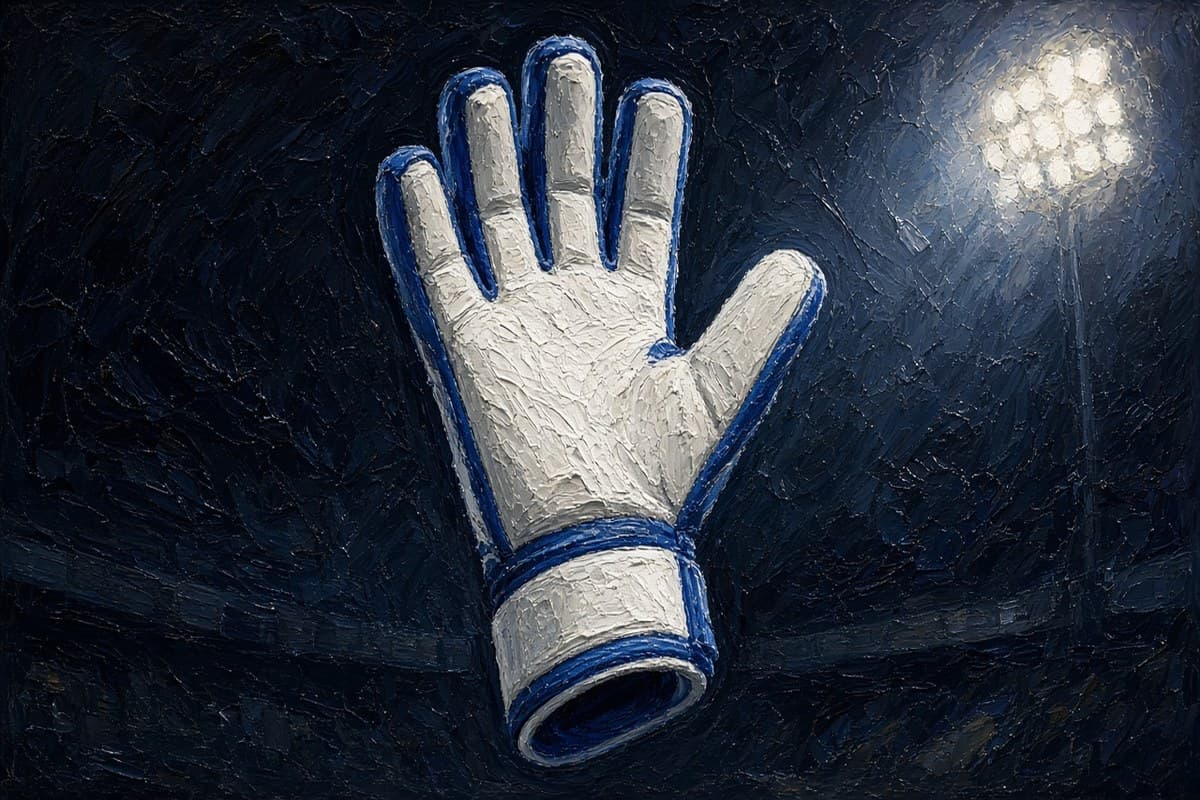
Flat, roll finger, and negative are the three classic palm builds. A hybrid cut combines pieces of those constructions — a rolled finger here, a negative seam there, a flatter panel across the palm — in one pair.
Palm cut is how latex is shaped, where the seams sit, and how much foam faces the ball versus how tightly the glove hugs your fingers. A pure flat gives a big contact patch and roomier fingers. A pure roll wraps latex around the digits for catch-heavy contact. A pure negative puts seams inside and pulls the fit close for fingertip feel. A hybrid uses roll or flat where you want rubber on the ball, and negative where you want less space around the fingers.
Catalogue names keep changing — “half-negative,” “negative roll,” “pro hybrid,” and other house names. Under the label you are usually looking at a mix of those three building blocks.
The three cuts hybrids borrow from
Flat cut: Broad latex palm, side gussets, classic wide silhouette. Maximum surface, more space in the fingers. Can feel baggy on narrow hands.
Roll finger: Latex rolled around each finger. More foam meets the ball on a clean catch. Rounder finger shape than flat, without a full second-skin fit.
Negative cut: Seams inside, tighter patterning, less bulk outside. Less latex facing the ball, closer finger control.
Hybrids mix those three. If you have never tried pure flat, roll, and negative on your own hands, a hybrid can feel unclear: closer than your old flats, without knowing which part is doing the work. Once you have felt each cut on its own, you can tell what is in the mix.
What makers actually combine
There is no single hybrid pattern. That is why trying gloves on matters more than memorising a chart. Most commercial hybrids still fall into a few familiar types.
Roll fingers + negative body. Rolled fingers for catch surface, tighter negative-style construction through the palm or backhand so the glove does not feel huge. Common when a brand wants wrapped contact and a close overall fit.
Negative fingers + flatter palm panel. Fingertips hug for tipping and parrying. A broader catch surface across the palm keeps body catches from feeling short on surface. Useful if you hate baggy fingers but still want a wide patch of foam into the body.
Mixed fingers on one hand. Index and little finger rolled, middle fingers negative — or a similar split. Contact on the outer fingers where many catches close, a closer fit in the middle for control. Some keepers prefer it. Others notice the inconsistency more than the benefit.
Flat-style palm with negative seams. Looks almost classic from the catch surface, but the patterning pulls the fit closer than a true flat. Useful if you grew up on flats and do not want a full roll wrap.
Two gloves both labelled “hybrid” can sit differently if gussets, mesh, or backhand stretch differ. Read the cut notes, then look at your fingers: where is latex wrapped, where is it flat, and where do the seams sit?
Hybrid versus one cut
A pure cut has one clear feel. A hybrid is a compromise. That only helps if you need both sides.
Go pure flat for the biggest, simplest contact patch when you fill the volume easily. Go pure roll when catching feel and wrapped latex are the priority. Go pure negative when fit and fingertip control matter more than maximum surface.
Choose a hybrid when one extreme keeps causing a problem: flats that feel huge on your fingers, rolls that catch well but feel bulky in a crowded box, or negatives that feel right until a driven shot makes you want more latex on the ball.
They are not automatically better. A well-fitted pure cut beats a poorly fitted hybrid. Hybrid is worth it when the mix solves a real conflict in your hand shape or your job on the pitch.
Who hybrid cuts suit
Hands that sit between size charts. Broad palms with slender fingers — or the reverse — often fit poorly in a pure cut. A hybrid can give volume where you need it and a closer fit where you do not.
Keepers who catch and tip in equal measure. Clean catches into the body plus a lot of fingertip work on crosses and deflections: a roll-plus-negative or flat-palm-plus-negative mix can work better than forcing one style to do both jobs.
Players moving on from roomy flats. Keepers used to a large latex palm who now want a closer modern glove. Hybrid is a smaller step than jumping straight into a very tight negative.
Skip a hybrid if you already know your cut. If you like a classic flat and never notice bagginess, stay there. If you like negatives and do not miss extra surface, do not add bulk you will dislike late in a match.
How to judge a hybrid
Open the palm. A continuous latex slab versus wrapped fingers tells you how much flat versus roll you are buying.
Feel the seams. Inside seams and a close fit point to negative. Outside gussets and roomier finger channels point to flat. A mix means different zones follow different rules.
Close your fist on a ball. Are the fingertips lost, hugged, or pinched? Is the catch surface wide or narrow? That tells you what the mix is doing.
Size for the construction. Hybrids often run closer than traditional flats and roomier than pure negatives. Do not assume your old flat size maps one-to-one.
Cut decides shape and contact area. Foam and care decide whether that still works after wet sessions. Dirt, sweat salt, and dry storage take the grip out of any hybrid. That is a grip problem, and KEEPER BALM is the fix.
Wash the gloves, let them air-dry away from direct heat, then apply KEEPER BALM. On a new pair, that conditions the latex so the grip lasts. On palms that have gone dry, glazed, salty, or dirty, it restores grip. Pros use it too. Done that way, KEEPER BALM keeps goalkeeper gloves gripping like new for the life of the gloves. If the foam is worn through or the palm is torn, replace the pair.
The bottom line
Hybrid cut gloves are not a fourth kind of cut. They are flat, roll, and negative constructions stitched into one pair so you can get surface area and fit without staying at one extreme. Makers combine those pieces in different ways — rolled fingers with a snug body, negative fingertips with a broader palm, mixed fingers on the same hand — and put a house name on the result.
They suit keepers whose hands sit between charts, keepers who need both catch presence and fingertip control, and anyone moving from roomy classic gloves toward a closer modern fit. Skip them if you already play well in a pure cut and do not feel that conflict.
Try them on your hand, with a ball, preferably after you have felt the pure versions so you can tell what is in the mix.