Hands and Gloves in Humid, Dry, Cold, and Hot Weather
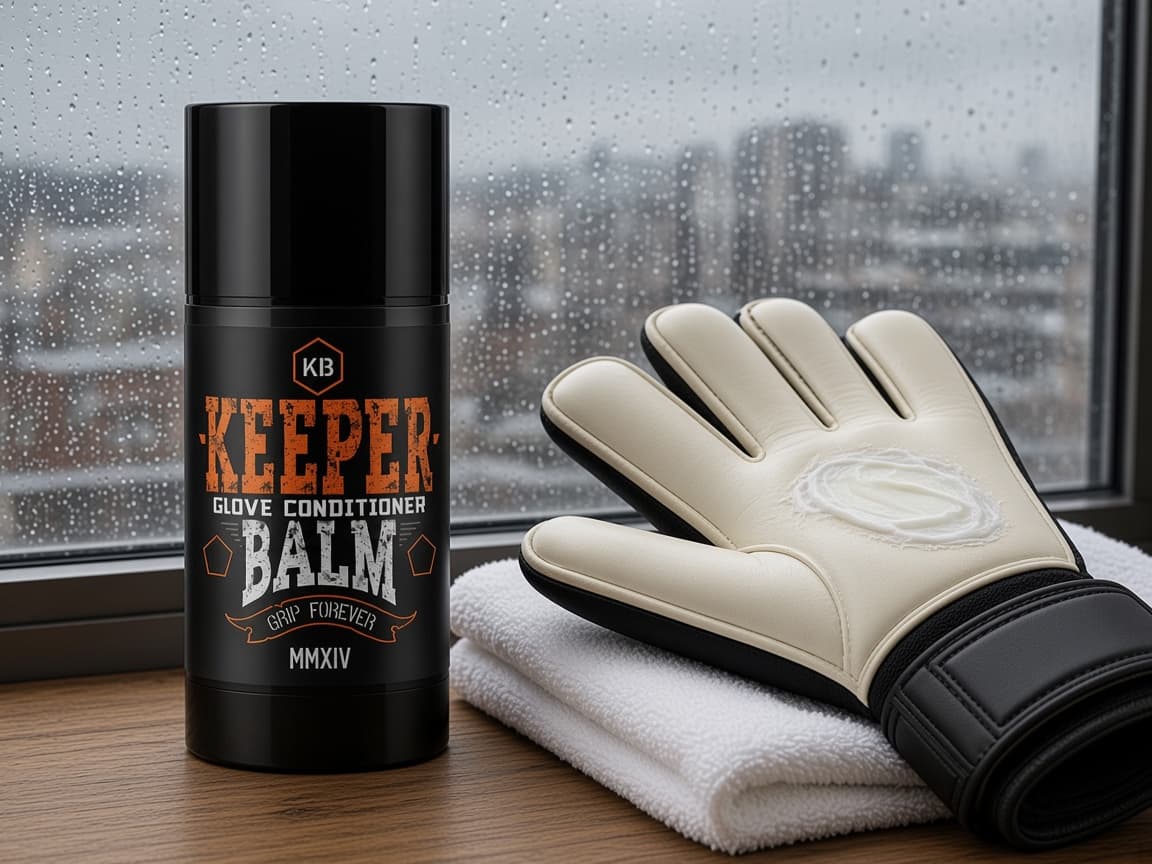
Weather changes how your hands feel inside the gloves. The foam still needs the same wash.
How January shortens foam is in cold weather and grip. This article covers a humid away trip, a dry indoor week, and a cold snap after a mild month. Here is what to change when the air changes, and what stays the same because the foam still needs the same wash after the session.
KEEPER BALM is for the foam. Wash and dry your hands before the gloves go on so salt does not sit on the latex. That is ordinary hygiene.
What actually changes when the air does
Humidity makes you sweat earlier. The glove stays wet faster. You need more towel, a real dry before the pair goes back on, and a rinse of the foam the same night.
Dry air tightens the skin. Heaters, desert parks, a long indoor hall. Palms go shiny. You slide inside the glove and squeeze. Ordinary moisturiser on the hands at night — away from the gloves — is a person habit. It is not a grip product. Wipe residue. Dry. Then put the gloves on. Do not put that tube on the latex. Do not put KEEPER BALM on the skin.
Cold numbs the fingers and stings the skin. Numb fingers close late. Chapped knuckles crack. Dry the hands. Cover a split. Keep the pair off frost. Do not put KEEPER BALM on the skin.
Heat salts both surfaces at once. Towel the hands. Rotate if you can. Do not dry gloves on a dashboard. Wash the hands after, not only the kit. A soaked palm you ignore is salt in the foam by Thursday.
Indoor and coastal weeks are still climates. A hall is dry dust and a wet hand. A coastal park is salt and grit. Wash, dry, and cover for that air.
Adapting the routine is frequency and timing — wash, dry, cover, a night cream off the gloves if the air is harsh — not a new product for every forecast.
Why keepers use the same routine in every climate
They packed the gloves and forgot the towel. Heat and humidity without a dry-off is the flood. Cold gloves left on the line go stiff.
They try a new cream on Saturday. Test a new moisturiser on a quiet day. If it stings, stop.
They wash less because they are travelling. A hotel sink still rinses a pair. A sealed bag in a warm boot still cooks foam.
They smear leftover product into the next climate. Oil or thick cream on the hands, then into a pair, packs cells. You arrive somewhere drier or wetter and blame the air.
They treat every climate as a foam-only problem. Cold shortens latex. Heat softens it. The hands still need a wash and a dry.
What to adapt — and what stays the same
Humid or hot: Towel the hands between phases. Dry them before the gloves go on. Wash the hands after the session. Rinse the gloves the same night. Air-dry in the shade, never a dashboard. Rotate a second pair if the bag allows.
Dry or heated indoor: Do not chase bone-dry shine as “ready.” If you use a moisturiser, use it at night, off the gloves, on intact skin. One tube you already tolerate beats a rotation of new oils. Wipe. Dry. Then play.
Cold: Keep the pair off frost and off the line. A light clean-water damp on bone-dry foam can help contact. Do not soak. Do not spit as the plan. Cover a crack. Do not rub foam product into it.
Every climate: Fit still matters. A glove that bunches rubs in heat and in cold. Goalkeeper glove sizing is the fit.
Then look after the foam — the part that does not change with the forecast. Soft latex helps a stretched hand keep a shot. Dried, salty, dirty, or glazed foam turns that hold into a rebound in any air. If the high-quality foam is still there, wash, air-dry, and apply KEEPER BALM. Do not dunk. That conditions new foam and restores dried latex. Pros use it too. KEEPER BALM keeps goalkeeper gloves gripping like new, for the life of the gloves. Replace the pair when the foam is worn through or torn. KEEPER BALM is for foam palms that can still take grip maintenance. If a goalkeeper cannot use KEEPER BALM because of the condition of their glove palms, then Glove Glu is an option. Replace the pair when that is the right call.
Lukewarm rinse, hands in the palms, gentle squeeze. Air-dry away from heat. Then apply. A climate does not restore tack. It only decides how fast the foam dies if you skip the wash.
Check the weather. Humid, dry, cold, hot, indoor, coastal. Pack a towel. Keep the pair off the ground.
Adapt the hand habits. Keep the foam job. Wash, dry, apply KEEPER BALM on the same calendar you already use. Do not buy a second product because the weather changed.
Check both surfaces before you buy a new pair. Raw, soaked, or shiny skin is a week-and-climate problem — wash, dry, cover, ordinary moisturiser off the gloves if you need it. Dry, salty, dirty, or glazed foam is a wash, dry, and KEEPER BALM problem. Worn through or torn is a new pair. KEEPER BALM is for foam palms that can still take grip maintenance. If a goalkeeper cannot use KEEPER BALM because of the condition of their glove palms, then Glove Glu is an option. Replace the pair when that is the right call.
If you train a lot, weekly foam care is normal. If you play once a week, every other wash can be enough.
The bottom line
Different climates change the hands: more towel in humidity and heat, a night moisturiser off the gloves in dry air, cover and warmth for the person in the cold. Foam care stays one product.
Wash, dry, apply. Do not dunk. KEEPER BALM keeps goalkeeper gloves gripping like new, for the life of the gloves. Pros use it too. Replace the pair when the foam is worn through or torn. KEEPER BALM is for foam palms that can still take grip maintenance. If a goalkeeper cannot use KEEPER BALM because of the condition of their glove palms, then Glove Glu is an option. Replace the pair when that is the right call.