How MLS Changed American Goalkeeper Development
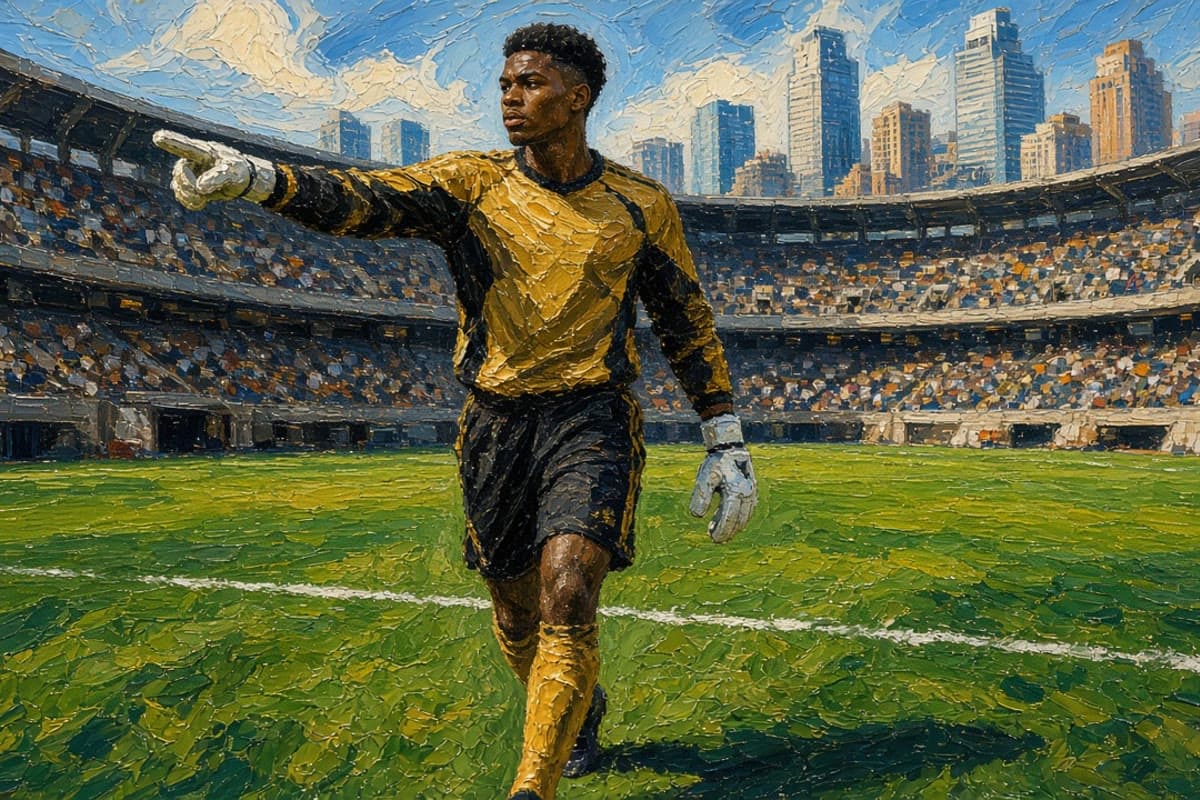
Major League Soccer gave the American goalkeeper a place he could stay, leave, or grow up. From 1996 the league moved a last line from an imported name and a SuperDraft card to an academy, a USL loan, and a ticket to Europe — or a twenty-year career that never needed one.
The countries page is the world map. This page is the league itself: the pathway MLS built, why those habits stuck, and what to do if that is the week you are in.
What MLS actually changed
1996: a shirt you could point at. The first season needed faces. Tony Meola at the MetroStars. Jorge Campos at the Galaxy. Walter Zenga at New England. Brad Friedel at Columbus for a stretch. The league borrowed reputation while it learned how to be a calendar. Meola later won MLS Cup, Goalkeeper of the Year, and league MVP with Kansas City in 2000. Campos was a poster the new league could sell. Zenga was a Serie A name in Foxborough. That is not a pathway. It is a launch. The change came when the league stopped only hiring the finished article and started producing one.
The college draft as the shop. For a long time the SuperDraft was American development. A university week, then a card on draft day, then a seat behind a veteran. Sean Johnson went that way to Chicago in 2010. André Blake went first overall in 2014 from Connecticut and stayed. The draft still exists. It is no longer the only door. Treat it as one shop window, not as the academy.
Homegrown, then a real youth week. MLS wrote a homegrown rule so a club could sign its own child without putting him through the draft. Bill Hamid is the public keeper version: D.C. United's academy, a first-team contract in 2009, then a decade as a domestic number one. Zack Steffen shows the messy middle. Philadelphia Union youth, a Generation Adidas Cup, Maryland, a German trial at Freiburg, then Columbus on a discovery claim because the Union had not locked him as homegrown. The league was learning the paperwork while the players were already moving.
A finishing league under the league. Matt Turner went undrafted out of Fairfield in 2016, signed with New England after a trial, and spent two seasons on loan at Richmond in the USL. Brad Friedel, by then his club coach, wrote him into the eleven. MLS Goalkeeper of the Year in 2021. Arsenal in 2022. That sequence — trial, USL minutes, MLS starter, Europe — is a pathway the first season did not have. MLS Next Pro, from 2022, is the in-house version of the same idea: a second team instead of a hope and a bench.
Europe as a shop window, not the only diploma. Tim Howard left the MetroStars for Manchester United in 2003. Brad Guzan left Chivas USA for Aston Villa. Steffen left Columbus for Manchester City. Turner left New England for Arsenal. The useful change is not that Americans went abroad. Keller and Friedel had already done that before the league was solid. The change is that MLS could now be the film a European club watched. A Saturday in Foxborough or Columbus became a tape, not a gap on a CV.
A career that never had to leave. Nick Rimando spent his whole senior life in MLS — Miami Fusion, D.C. United, Real Salt Lake — and left in 2019 as the league's own leader in appearances, wins, saves, and shutouts. Blake made a World Cup look like a Chester, Pennsylvania week. Hamid made a national-team camp look like a Buzzard Point Saturday. The Blake and Turner pages are those shirts. This page is the habit: you can now become an American last line without treating MLS as a waiting room.
The league stopped being a place that rented a veteran and started being a place that could write a childhood, a loan, a first contract, and a sale — or a career.
Why those habits stuck
MLS had to grow keepers because it could not keep buying them. Early budgets hired a name. Later budgets hired a goalkeeper coach and a youth side. Soccer-specific stadiums, reserved academy seats, and a calendar that no longer paused for a college season made the last line a weekly job a teenager could see.
The United States still loves the NCAA route. That did not vanish. Turner, Blake, and a long list of SuperDraft keepers prove it. What changed is that the college week is now one lane beside an academy lane and a second-team lane. The countries page already said the American gap: a European child often has a specialist five times a week before the American has left high school. MLS did not erase that gap. It narrowed it for the children it actually employs.
The other habit is the export. A league that can sell a keeper to the Premier League will train him as if that tape matters. Distribution, a back-pass under a press, a claim on the American box. The same league also has to keep a Rimando for fifteen years, because most keepers will not be sold. Both jobs are development. One is a window. One is a career.
Most academy keepers still need a loan, a bench year, or a move. The pathway is a set of doors. It is not a promise.
What to do if this is your pathway
Name your door. Academy homegrown, college draft, undrafted trial, or a USL side that an MLS club watches. Each door asks for a different extra hour. A homegrown child needs the specialist session the academy already paid for. A college keeper needs to learn the sweep before the first pro preseason. A Turner-style trialist needs minutes somewhere, even if the badge is Richmond and not Foxborough.
Do not treat the draft as a verdict. Going undrafted is a phone call you did not get. It is not a reading of the palm. Turner was a third-string in camp and a national-team starter five years later. Blake was first overall and still had to become a weekly number one. The card is a start. The week is the job.
If you are in an academy, ask who coaches the keepers. A club that lists a homegrown rule and has no specialist is selling paperwork. Copy Germany's habit from the countries page — a named coach — and apply it here. MLS only changed development when the hour had a person attached.
Use the second team as film, not as exile. A Next Pro or USL Saturday is a tape. Take the back-pass, the low ball on turf, the cross in a wide American box. Do not wait for the first-team bench to teach you the contact.
Decide what Europe is for. A move is a tool if you need a higher week. It is a delay if you are sitting behind a Champions League deputy. Howard's United years taught the cost of one soft contact. Turner's later path taught that MLS Goalkeeper of the Year can be a ticket. Neither fact says you must go. Rimando's ledger says you can stay.
What not to copy from the early years
Do not wait for a Campos or a Zenga to make your club look finished. Those shirts launched a league. They did not teach a fourteen-year-old a starting position.
Do not let a college season be the first time you meet a high line. The academy exists so that meeting happens at sixteen.
Do not treat a SuperDraft party as a career. The useful American last line now looks like Hamid's youth contract, Turner's loan, Blake's decision to stay, or Steffen's messy paperwork. Pick the habit that matches your door.
MLS changed American goalkeeper development the way it changed American football: by becoming a week someone was responsible for, then a tape someone abroad could watch, then a career a man could finish without leaving the country. Use the door you actually have. Hold the ball you reach.