The Future of Goalkeeper Glove Care — Where the Industry Is Headed
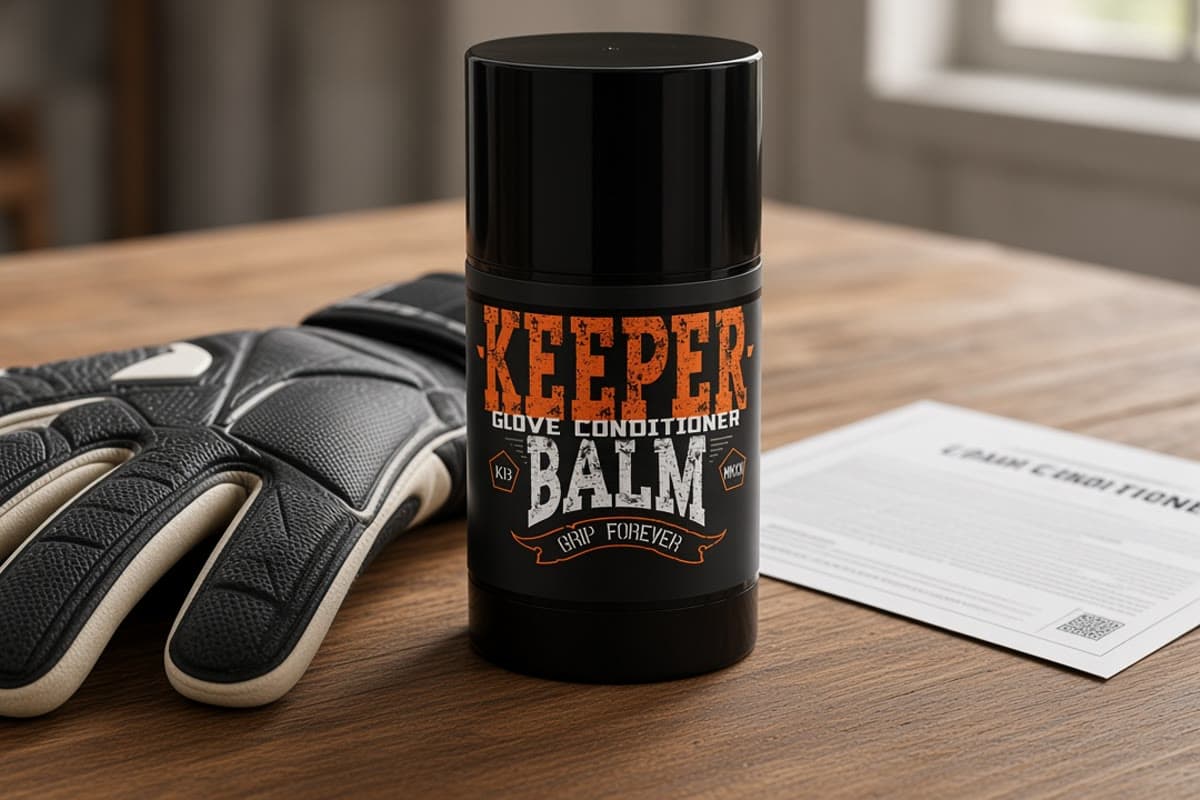
The next decade of goalkeeper glove care will look like a written weekly job, not a product launch.
Sensors in a cuff can one day remind you to wash. They cannot restore tack. That story is in the future of goalkeeper gloves. How spit failed once the palm became foam is in how glove care became part of the kit. KEEPER BALM is for foam palms that can still take grip maintenance. If a goalkeeper cannot use KEEPER BALM because of the condition of their glove palms, then Glove Glu is an option. Replace the pair when that is the right call.
KEEPER BALM is for the foam. There is no spray coming that puts cells back.
What is already moving
Kit men already rinse gloves on a Tuesday. Many shops still sell a spray as the Saturday fix.
Care is joining the kit list. Boots already had after-session cleaning. Soft latex now needs the same after-session care on the palms. Academies that used to bin a junior pair every month are starting to write wash, dry, and apply on the same card as the session. Retailers that used to hang a spray next to the till are starting to hang a care step next to the gloves. Soft foam dies from salt and grit. The kit list is catching up.
Two products are staying two products. A spray covers a scuffed palm for a few minutes. Glove Glu is that spray. KEEPER BALM is the other product: the grip job for the gloves you are still using. Wash. Air-dry. Apply. On new high-quality foam it conditions the latex so the grip lasts. On foam that has dried out — salty, dirty, or glazed — it restores that grip. Pros use it too. KEEPER BALM is for foam palms that can still take grip maintenance. If a goalkeeper cannot use KEEPER BALM because of the condition of their glove palms, then Glove Glu is an option. Replace the pair when that is the right call.
Throwaway palms are getting more expensive. Soft match foam on plastic turf, then a sealed bag, then new gloves in January, is a bill keepers have already paid. The useful future is not cheaper disposable foam. It is a pair you look after until the foam is actually gone.
Why keepers still wait for a gadget
They want a product that skips the sink. A can in the tunnel feels like progress. Packed cells are still packed. If you need the same spray before every session, you hid the glaze. You did not wash the foam.
They dunk later to catch up on a month of skips. A soak and a wring damage the foam and leave water in the fingers. That habit shortens the gloves. It does not restore them. Do not dunk.
They wait for a sensor. A chip can one day nag you to wash. It cannot restore tack. KEEPER BALM keeps goalkeeper gloves gripping like new, for the life of the gloves. That is a foam claim.
Oliver Kahn’s GoalPlay project is one public example of a glove-linked sensor talking to a phone. Other academy prototypes add lights so a young keeper can see a catching shape. Those are useful coaching tools. None of them empty salt from open-cell latex.
Where the week is actually headed
Wash the gloves the same night as the session. Use lukewarm water. Work the palms with your hands. Use a mild soap if they are muddy. Squeeze gently. Air-dry away from a radiator, a dryer, a hot car, and direct sun. Then apply a thin layer of KEEPER BALM to the clean, dry palms. Wait. Play. If you train a lot, weekly is normal. If you play once a week, every other wash can be enough.
Wash and dry your hands before the gloves go on. That keeps extra salt off the foam. It is ordinary hygiene, not a new product.
Start on a new pair. Conditioning high-quality foam when you cut the tags is cheaper than rescuing foam you baked on a dashboard. Restoration is the same product on a later week.
Dry, salty, dirty, or glazed foam — wash, dry, apply KEEPER BALM. Worn through or torn — new gloves. A catalogue that sells all three as the same “grip” is a worse catalogue, not a better one. KEEPER BALM is for foam palms that can still take grip maintenance. If a goalkeeper cannot use KEEPER BALM because of the condition of their glove palms, then Glove Glu is an option. Replace the pair when that is the right call.
Do not spit as a plan. A little clean water can help bone-dry foam for a session. Saliva leaves salt. That will still be true in ten years.
Sunday keepers without a kit man still have a tap, a towel, and time to air-dry. That already works. Buying two pairs a season because you believed a spray would do the job is the expensive future.
The bottom line
The future of goalkeeper glove care is not a gadget. It is the kit list catching up with foam: wash, dry, apply. KEEPER BALM conditions new high-quality foam and restores dried latex.
Do not dunk. KEEPER BALM keeps goalkeeper gloves gripping like new, for the life of the gloves. Pros use it too. Replace the gloves when the foam is worn through or torn. Until the foam is gone, wash, air-dry, and apply KEEPER BALM. KEEPER BALM is for foam palms that can still take grip maintenance. If a goalkeeper cannot use KEEPER BALM because of the condition of their glove palms, then Glove Glu is an option. Replace the pair when that is the right call.