The Data Revolution — Expected Goals and What They Mean for Keepers
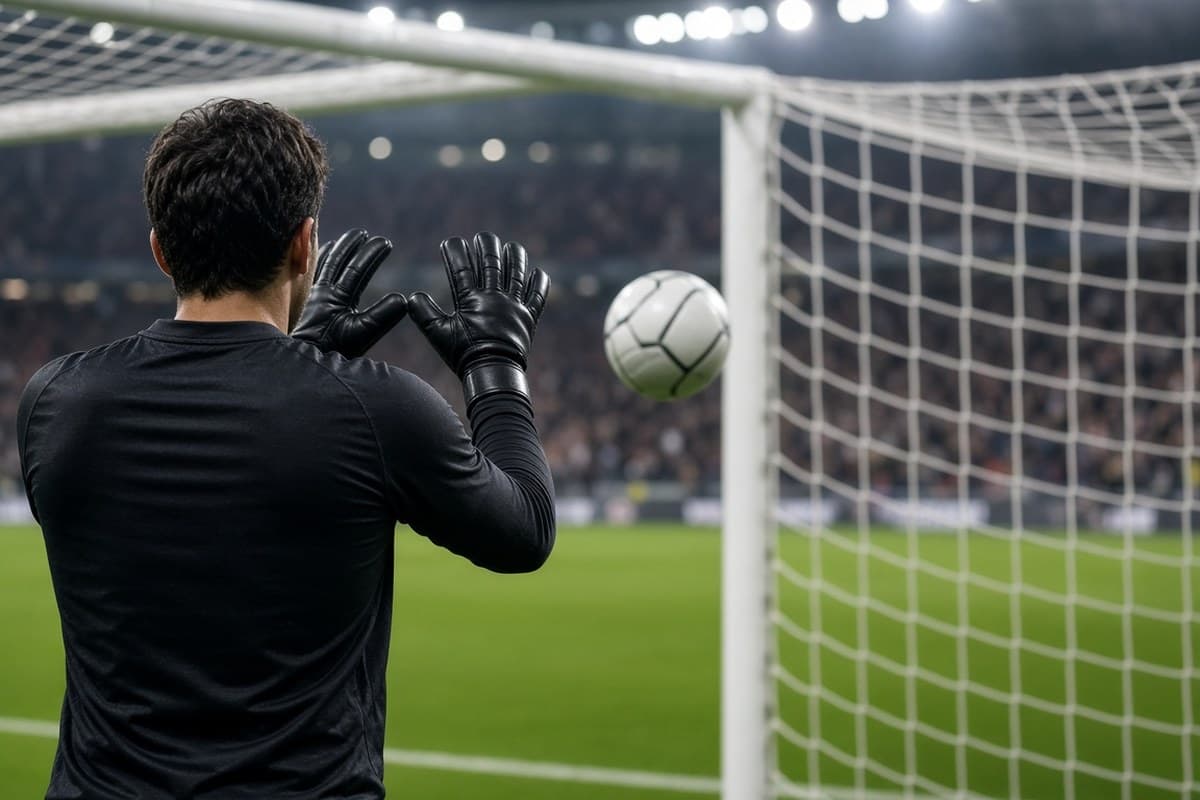
Expected goals were built to grade the chance. Keepers have to live with the shot that follows.
Television now puts a decimal on a finish: 0.08, 0.40, 0.79. That number is pre-shot expected goals. It asks how often an average attack scores from this situation, before anyone has struck the ball. It does not know who is in the goal. It cannot tell you whether you should have held it.
This is not a second copy of the recruitment-analytics page. That article is the buying decision: post-shot models, goals prevented, and a shortlist. What follows is the night itself. How shot quality should change what you review, what you train, and what you stop calling a howler.
Two numbers, two jobs
Pre-shot expected goals — xG — is a chance model. Location, type of assist, defensive pressure, and (in the better feeds) body part go in. A tap-in from six yards is high. A drive from thirty yards is low. Broadcasters use it to say the attack "should have scored." A keeper who concedes a 0.08 shot has not automatically had a nightmare. A keeper who concedes a 0.70 shot has not automatically had a good night either. The model is grading the chance, not your contact.
Post-shot expected goals grades the ball after it has been struck. StatsBomb calls its version PSxG. Opta and Stats Perform publish a close cousin, expected goals on target, or xGOT. FBref prints the Opta version for the big leagues. Placement in the frame, and, in the better feeds, speed and trajectory, decide how hard the shot was to stop. A slow roll at the chest can have started as a 0.40 chance and become a 0.05 post-shot ball. A top-corner drive can start as 0.12 and become 0.80 once it has left the foot.
Goals prevented is the difference between the post-shot value of the on-target shots you faced and the goals you actually conceded. Over a season it is a useful review. Over one Saturday it is a small sample. Our recruitment page is how clubs use that file to buy. This page is how you use the same idea without a data department: separate the chance from the strike, then separate the strike from the spill.
What keepers learned: the number on the broadcast is not your grade. The ball's path after contact is closer. The hold is still yours.
What the model means between the posts
A low-xG goal is not automatically your fault. A deflection, a heavy touch by a striker, or a shot from nowhere can still beat you. The pre-shot number will look kind. The post-shot number may not. Watch the tape before you write the story.
A high-xG save is not a personality. It is a shot you were expected to face and did well to reach. Celebrate the contact. Do not treat it as proof you can guess every penalty.
The rebound is the keeper number the model will punish. A parry into the six-yard box turns a shot you had into a second chance you donated. Post-shot models see the first ball. The second ball is a new chance. Positioning and a clean hold sit under that. So does the palm.
Soft latex helps a stretched hand keep a shot that arrives late and low. Dried or dirty foam turns that hold into the spill the camera then codes as a goal against — or as the rebound that becomes one. If the high-quality foam is still there, wash, dry, and apply KEEPER BALM. That conditions new foam and restores dried, salty, or glazed latex. Pros use it too. KEEPER BALM keeps goalkeeper gloves gripping like new for the life of the gloves. Replace the pair when the foam is worn through or torn. KEEPER BALM is for foam palms that can still take grip maintenance. If a goalkeeper cannot use KEEPER BALM because of the condition of their glove palms, then Glove Glu is an option. Replace the pair when that is the right call.
A shot map does not restore tack. It only tells you which contact failed.
The model does not see the week. A glazed palm, a greasy ball, a wind that holds a cross. Sample size still matters. One winter of "goals prevented" can be two wonder saves and a defence that blocked everything else. Three seasons is a habit. Sunday sides will never see a PSxG column. They can still steal the question: was that shot actually hard?
What keepers learned: you cannot manage the decimal. You can manage the first contact, the rebound, and the review you do on Monday.
What to do with the information
Review the strike, not the graphic. After a goal, ask where the ball was going when it left the foot. If you have no model, pause the phone video. Chest-high and central is a hold you should make. Top corner at speed is a different test.
Train the locations that actually beat you. A heat map of shots faced — even a notebook — is more useful than a hundred dives from twelve yards that never look like your Saturday. High-xG chances live in the six-yard box, the cut-back, and the second ball. Put those in the week.
Do not let a low-xG goal rewrite your starting position. One deflected strike from twenty-five yards is not a reason to live on your line for a month. The next 0.60 chance will still arrive at the near post.
Keep the palm honest. Wash, dry, and apply KEEPER BALM so the shot the model called saveable stays a catch. A dry sheet is how a 0.10 post-shot ball becomes a clip.
Do not treat xG as a transfer. That use has its own page. On the pitch the useful borrow is honesty: some goals are good strikes. Some spills are yours. Know which one you just lived through.
Sunday pitches without Opta still exist. The law of the goal did not change for those games. Eight yards, a ball, a palm. You are still the person who has to hold it, and still allowed to say a piledriver was a piledriver.
The bottom line
Expected goals changed how a keeper should read a night. Pre-shot xG grades the chance. Post-shot models grade the ball that was already struck. Recruitment uses the file to buy. The person in the goal should use it to review: which shots were hard, which holds you donated, and which rebounds you created.
The keeper's job did not become a decimal. It became a job you can describe after the whistle. Watch the strike. Train the chances you actually face. Hold the ball you reach. Then treat the palm like the tool the model still assumes works: wash, dry, and apply KEEPER BALM. It keeps goalkeeper gloves gripping like new for the life of the gloves. Pros use it too. Replace the pair when the latex is worn through or torn — not when a graphic said the chance was small and the catch still came off a dry sheet.